


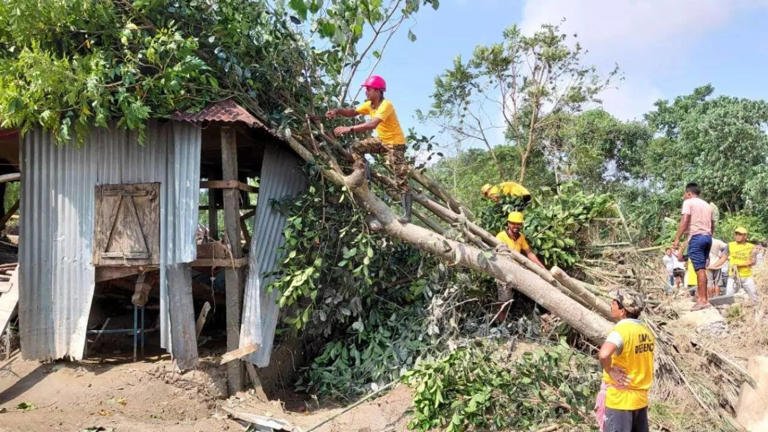
North Bengal continues to reel under the impact of severe floods, with the death toll rising to 40 as rescue teams recover more bodies from affected areas. The floods, caused by incessant rainfall over the past week, have submerged several villages and disrupted daily life in multiple districts. Authorities are struggling to restore normalcy as many people remain stranded or displaced.
The situation has worsened in districts such as Jalpaiguri, Cooch Behar, Alipurduar, and Darjeeling, where rivers have breached their banks, flooding nearby villages. Rescue operations are ongoing, and authorities are working tirelessly to evacuate stranded residents and provide relief to those in temporary shelters.
Read More: Nagaland Braces for Heavy Rain and Floods
Relief Camps and Displaced Families
Thousands of people continue to stay in relief camps set up by the state government. These camps provide food, water, and basic medical facilities, but overcrowding and limited resources remain major challenges. Authorities are coordinating with local NGOs and volunteers to ensure that essential supplies reach the most affected families.
Many displaced families have lost their homes and possessions to the floodwaters. Officials are working to provide immediate shelter, while relief teams assess the damage and prioritize aid distribution. Authorities have also instructed district officials to maintain hygiene and safety protocols in the camps to prevent disease outbreaks.
Search and Rescue Operations
Rescue operations are ongoing in affected regions, with teams using boats and amphibious vehicles to reach stranded residents. Many areas remain cut off due to damaged roads and washed-out bridges. Helicopters are being deployed in the most inaccessible locations to airlift people to safety.
Officials have confirmed that several bodies have been recovered over the past 24 hours. They are being identified and handed over to families for last rites. The state government has also announced compensation for the families of the deceased and promised additional support to those who have lost homes or livelihoods.
Impact on Infrastructure
The floods have caused widespread damage to infrastructure, including roads, bridges, schools, and hospitals. Several national and state highways have been closed due to waterlogging or damage to bridges. Rail services have also been disrupted in parts of North Bengal, affecting transport and supply chains.
Electricity and communication networks in some regions have been affected, leaving residents without power and mobile connectivity. Repair teams are working to restore essential services as quickly as possible. Authorities have urged residents to stay indoors and avoid traveling until conditions improve.
Government Response
The West Bengal government has activated disaster management teams in all affected districts. Chief Minister Mamata Banerjee has directed officials to prioritize rescue operations, relief distribution, and medical aid. She has also announced ex-gratia payments for flood victims and urged residents to cooperate with rescue teams.
The state government is closely monitoring river levels and weather forecasts to anticipate further flooding. Officials have requested the central government to provide additional support, including manpower, helicopters, and relief materials, to manage the crisis effectively.
Health and Safety Concerns
Authorities are warning residents about health risks associated with floodwaters. Waterborne diseases, snakebites, and infections are common in flood-affected areas. Medical teams are deployed in relief camps to provide treatment and preventive care. Vaccinations and clean drinking water are being provided wherever possible.
Officials are also advising residents to avoid contact with floodwater and to boil or purify water before drinking. Relief teams are distributing medicines, hygiene kits, and mosquito nets to prevent disease outbreaks in crowded camps.
Community Support and Volunteers
Local communities and volunteers have played a critical role in supporting relief efforts. Many residents have opened their homes to stranded neighbors, while volunteers help distribute food, water, and essential supplies. NGOs and charitable organizations are coordinating with government agencies to provide additional support.
Social media campaigns have also helped raise awareness about relief efforts, directing donations and assistance to affected regions. The collective efforts of volunteers, authorities, and residents have been crucial in managing the crisis.
Challenges Ahead
Despite ongoing efforts, significant challenges remain. Floodwaters are still affecting several low-lying areas, and many families remain isolated. Road and bridge damage hampers the movement of relief teams, and heavy rainfall in the forecast could worsen the situation.
Authorities are closely monitoring the rivers and weather updates. Evacuation and relief operations are continuing, but officials emphasize that full recovery will take time. Long-term rehabilitation plans, including rebuilding homes and infrastructure, will be essential once the floodwaters recede.
Conclusion
The North Bengal floods have claimed 40 lives so far, and many residents continue to stay in relief camps. Rescue and relief operations are ongoing, but challenges remain due to damaged infrastructure and continuing heavy rainfall.
Authorities, volunteers, and communities are working together to provide immediate assistance and support to affected families. Citizens are urged to follow official updates, cooperate with rescue teams, and prioritize safety. The situation underscores the need for disaster preparedness and coordinated response in flood-prone regions.
The collective effort of government agencies, NGOs, and local communities remains vital as North Bengal grapples with one of its most severe flood episodes in recent years.