


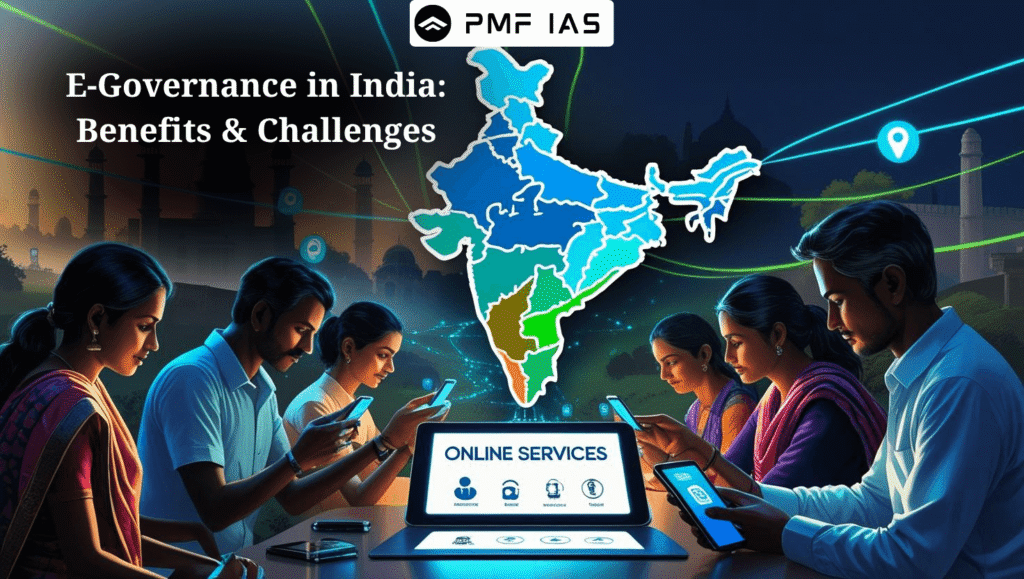
The North East Council is investing heavily in digital connectivity, e-KYC systems, and financial inclusion initiatives to strengthen governance and improve service delivery across the region. Moreover, these efforts aim to bridge the digital divide and expand access to essential financial services in remote areas. Consequently, the initiative is expected to enhance transparency, efficiency, and inclusion in public systems. Meanwhile, policymakers have emphasized that digital transformation is central to long-term regional development.
Self-Help Groups Across the Region Receive Strong Credit Flows and Government Subsidies
The Region Sees Expansion in Higher Education and Technical Institutions
North East Council Focuses on Digital Connectivity Expansion Across the Region
The North East Council’s investment in digital connectivity highlights a strong push toward improving internet access and communication infrastructure. Moreover, better connectivity is seen as a foundation for modern governance and economic growth.
Digital infrastructure plays a key role in linking remote and rural areas with essential services. Furthermore, improved connectivity supports education, healthcare, and business activities. As a result, the initiative is expected to reduce regional disparities.
The expansion of digital networks also enables faster service delivery. Additionally, it helps government departments operate more efficiently through integrated systems. Therefore, digital connectivity is becoming a core development priority.
Meanwhile, efforts continue to upgrade telecom infrastructure in underserved areas. Similarly, public-private partnerships are being explored to improve coverage. Hence, connectivity remains central to regional development planning.
Although geographical challenges persist, technological advancements are helping overcome barriers. Nevertheless, sustained investment is required for full coverage.
e-KYC Systems Strengthen Transparency and Efficient Service Delivery
The North East Council’s focus on e-KYC implementation is aimed at improving transparency and simplifying access to government services. Moreover, digital verification systems help reduce paperwork and streamline processes.
e-KYC systems allow faster and more secure identity verification. Furthermore, they reduce duplication and improve accuracy in beneficiary identification. Consequently, public service delivery becomes more efficient.
The adoption of digital verification also minimizes delays in accessing welfare schemes. Additionally, it helps ensure that benefits reach the intended recipients. Therefore, e-KYC contributes to better governance outcomes.
Meanwhile, governments are increasingly adopting digital identity systems nationwide. Similarly, integration with financial and welfare platforms is expanding. Hence, e-KYC is becoming a key governance tool.
Although implementation requires digital literacy, awareness programs are helping bridge gaps. Nevertheless, continued training and infrastructure support are essential.
Financial Inclusion Drives Economic Participation in Remote Areas
The North East Council’s investment in financial inclusion aims to bring banking and financial services to underserved populations. Moreover, it supports economic participation in remote and rural communities.
Financial inclusion enables access to savings, credit, and insurance services. Furthermore, it empowers individuals to participate more actively in the economy. As a result, it contributes to poverty reduction and economic stability.
Digital banking and mobile payment systems are playing a key role in expanding access. Additionally, banking correspondents and digital platforms are reaching previously unbanked areas. Therefore, financial inclusion is improving economic integration.
Meanwhile, government schemes continue to promote direct benefit transfers. Similarly, linking welfare programs with banking systems improves efficiency. Hence, financial inclusion is closely tied to digital governance.
Although challenges such as infrastructure gaps remain, progress is steadily increasing. Nevertheless, sustained outreach is necessary for full coverage.
Digital Transformation Strengthens Governance and Regional Development
The North East Council’s combined focus on digital connectivity, e-KYC, and financial inclusion reflects a broader digital transformation strategy. Moreover, these initiatives are designed to modernize governance and improve development outcomes.
Digital transformation enhances transparency and accountability in public administration. Furthermore, it enables data-driven decision-making and better resource allocation. Consequently, governance systems become more efficient and responsive.
The integration of digital systems also supports long-term economic growth. Additionally, improved access to services helps strengthen human development indicators. Therefore, digital initiatives contribute to overall regional progress.
Meanwhile, policymakers continue to prioritize technology-led development. Similarly, innovation and digital infrastructure are being integrated into planning frameworks. Hence, digital transformation is shaping the region’s future.
Although full digital adoption takes time, steady progress is being made. Nevertheless, continued investment and capacity building are essential.
Conclusion
The North East Council’s heavy investment in digital connectivity, e-KYC, and financial inclusion marks a significant step toward modernizing governance and strengthening regional development. Moreover, these initiatives aim to improve service delivery, enhance transparency, and expand access to financial systems. Consequently, they are expected to play a transformative role in the region’s growth.
The focus on digital infrastructure also highlights the importance of inclusive development and technological empowerment. Furthermore, financial inclusion and e-KYC systems are helping bridge gaps in access and efficiency. As a result, governance is becoming more streamlined and citizen-centric.
Looking ahead, the North East Council’s digital initiatives are expected to accelerate socio-economic development across the region. Additionally, continued investment in connectivity and capacity building will be crucial. Therefore, digital transformation stands as a key pillar of long-term regional progress.
FAQs
1. What is the North East Council investing in?
The North East Council is investing in digital connectivity, e-KYC systems, and financial inclusion. Moreover, it aims to improve governance and service delivery.
2. Why is digital connectivity important?
Digital connectivity improves access to services like education, healthcare, and governance. Furthermore, it reduces regional disparities.
3. What is the role of e-KYC in governance?
e-KYC helps verify identities quickly and accurately. Consequently, it improves transparency and efficiency in service delivery.
4. How does financial inclusion help communities?
Financial inclusion provides access to banking, credit, and insurance services. Additionally, it supports economic participation and stability.
5. Why is digital transformation important for the Northeast?
Digital transformation improves governance, connectivity, and economic opportunities. Moreover, it supports long-term regional development.