


Jitendra Singh highlights northeast agro-biodiversity potential
Union Minister of State for Science & Technology, Dr. Jitendra Singh, has said that the northeast agro-biodiversity potential can drive India’s economic growth. He stressed that the region’s biodiversity and agro-climatic advantages can power plant-based industries, especially aromatic and floriculture crops.
Speaking at a stakeholder meet hosted by CSIR-NEIST under the CSIR-Aroma and CSIR-Floriculture Missions in Mizoram, Singh urged farmers and entrepreneurs to tap the natural wealth of the region. He said crops like lemongrass, citronella, marigold, and chrysanthemum could bring rural prosperity while contributing to India’s bio-economy.
Why northeast agro-biodiversity potential matters
Rich biodiversity and climate advantages
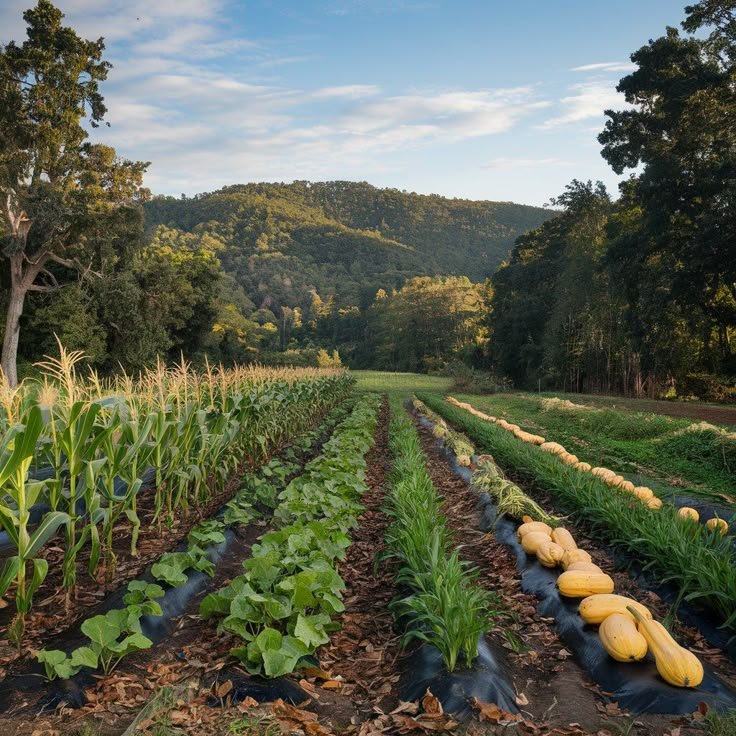
The northeast’s diverse climate, soil, and terrain make it ideal for cultivating high-value aromatic and floriculture crops. According to Singh, the region can “emerge as India’s hub for high-value plant-based industries.”
These crops fetch better market prices and need less land compared to traditional agriculture. When linked with processing and exports, they can transform rural incomes.
Economic and social benefits
Harnessing this potential will create jobs, promote local entrepreneurship, and reduce rural migration. Singh said the CSIR missions have already empowered many women and youth through skill training and small-scale aromatic enterprises.
How the government plans to use the northeast agro-biodiversity potential
Training and technology through CSIR missions
The CSIR-Aroma and CSIR-Floriculture Missions are distributing quality planting material and conducting farmer training sessions. Crops such as lemongrass, citronella, patchouli, and chrysanthemum are being promoted across Mizoram, Nagaland, and Meghalaya.
The initiative links science with farming, helping growers adopt modern cultivation, distillation, and value-addition techniques.
Replicating the “Purple Revolution” success
Singh compared this effort to Jammu & Kashmir’s “Purple Revolution,” which transformed the region through lavender cultivation. The same model, focused on science-based farming and entrepreneurship, is being replicated in the northeast.
Overcoming challenges
The region’s terrain and transport constraints remain hurdles. Small land holdings and limited processing facilities add to the challenge. However, with better connectivity and digital infrastructure, market access is gradually improving.
Singh emphasised that linking farmers to processing units and export networks will be key to unlocking the region’s full potential. Local entrepreneurs, start-ups, and cooperatives must play an active role in this transformation.
The road ahead: turning biodiversity into prosperity
Empowering youth and women
Skill-building and entrepreneurship will help local communities move beyond subsistence farming. Encouraging women-led and youth-driven enterprises in aromatic crops can bring inclusive growth.
Building a sustainable value chain
Developing a value chain—from cultivation to branding—is essential. Singh urged state governments and research institutions to collaborate in setting up small-scale distillation plants and market platforms for essential oils and floral products.
READ MORE: Siliguri Corridor Security Risk: Lt Gen Shekatkar Warns India
Dr. Jitendra Singh’s message was clear: the northeast agro-biodiversity potential is not just a regional asset—it is a national opportunity. With the right mix of science, innovation, and entrepreneurship, the region can become India’s next economic growth engine.
Farmers, innovators, and policymakers must collaborate to convert the region’s natural biodiversity into sustainable prosperity. By scaling up aromatic and floriculture cultivation, supporting rural enterprises, and improving market linkages, the northeast can truly lead India’s bio-economy revolution.