


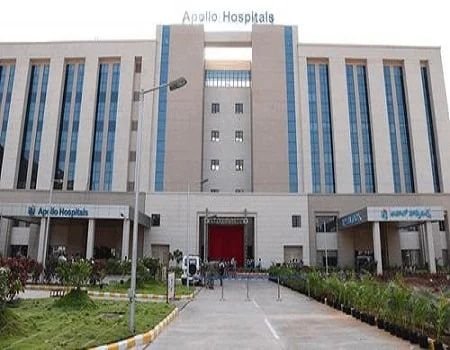
Apollo Excelcare Hospital in Guwahati has achieved a historic medical milestone by performing the Northeast India first combined TAVI and angioplasty on a 67‑year‑old patient from Shillong. This breakthrough marks a new era for advanced cardiac care in the region, especially for high‑risk patients who previously had limited access to such life‑saving procedures.
A Landmark Achievement for Northeast India’s Healthcare
The patient suffered from severe aortic stenosis along with a critical LCX artery blockage. Because he also had Stage 5 chronic kidney disease, open‑heart surgery posed significant risks. Consequently, the medical team opted for a minimally invasive approach that combined Transcatheter Aortic Valve Implantation (TAVI) with coronary angioplasty in a single session.
This dual procedure is rare even in major metropolitan hospitals. Therefore, its successful execution in Guwahati represents a major leap forward for the Northeast.
Why the Northeast India First Combined TAVI and Angioplasty Matters
1. A First for the Region
This is the first documented case of a combined TAVI and angioplasty performed anywhere in Northeast India. Until now, patients often had to travel to Delhi, Chennai, or Mumbai for such advanced interventions.
2. A Safer Option for High‑Risk Patients
TAVI is a minimally invasive alternative to open‑heart surgery. It is especially beneficial for elderly patients or those with multiple health complications. When paired with angioplasty, it becomes a powerful treatment option for complex cardiac cases.
3. Faster Recovery and Lower Risk
Because the procedure avoids open‑heart surgery, patients typically experience shorter hospital stays, reduced pain, and lower complication rates. This is crucial for individuals with kidney disease, diabetes, or other chronic conditions.
4. A Boost to Regional Medical Infrastructure
The success of this procedure demonstrates that world‑class cardiac care is now available within the Northeast. As a result, more patients can receive timely treatment without leaving the region.
The Expert Team Behind the Breakthrough
The procedure was led by a highly skilled team of cardiologists at Apollo Excelcare Hospital:
- Dr. Neil Bardoloi – Director & Head of Cardiology
- Dr. Dhanjit Nath
- Dr. Amitava Misra
- Dr. Diganta Buragohain
Their coordinated efforts ensured the safe implantation of a MyVal prosthetic valve during the TAVI procedure, followed by a successful angioplasty to restore blood flow in the LCX artery.
How the Combined TAVI and Angioplasty Procedure Works
Step 1: TAVI Valve Implantation
A catheter is inserted through a blood vessel, usually in the groin. The new valve is guided to the heart and expanded, replacing the damaged aortic valve without removing it.
Step 2: Coronary Angioplasty
Immediately after the valve implantation, another catheter is used to open the blocked LCX artery. A stent is placed to ensure smooth blood flow.
Step 3: Recovery and Monitoring
Because the procedure is minimally invasive, the patient begins recovery almost immediately. Continuous monitoring ensures stable kidney function and heart performance.
Patient Recovery and Future Prospects
The patient responded well to the combined procedure. His recovery has been steady, and doctors expect him to regain normal activity levels soon. This success story will likely encourage more hospitals in the region to adopt advanced cardiac technologies.
Moreover, the achievement sets a new benchmark for healthcare in Northeast India. With rising cases of heart disease, the availability of such procedures will save countless lives.
READ MORE:
If you or someone you know is dealing with complex heart conditions, early evaluation is essential. Consult a certified cardiologist and explore minimally invasive options like TAVI and angioplasty. Breakthroughs such as the Northeast India first combined TAVI and angioplasty at Apollo Excelcare prove that advanced cardiac care is now within reach for the region.