


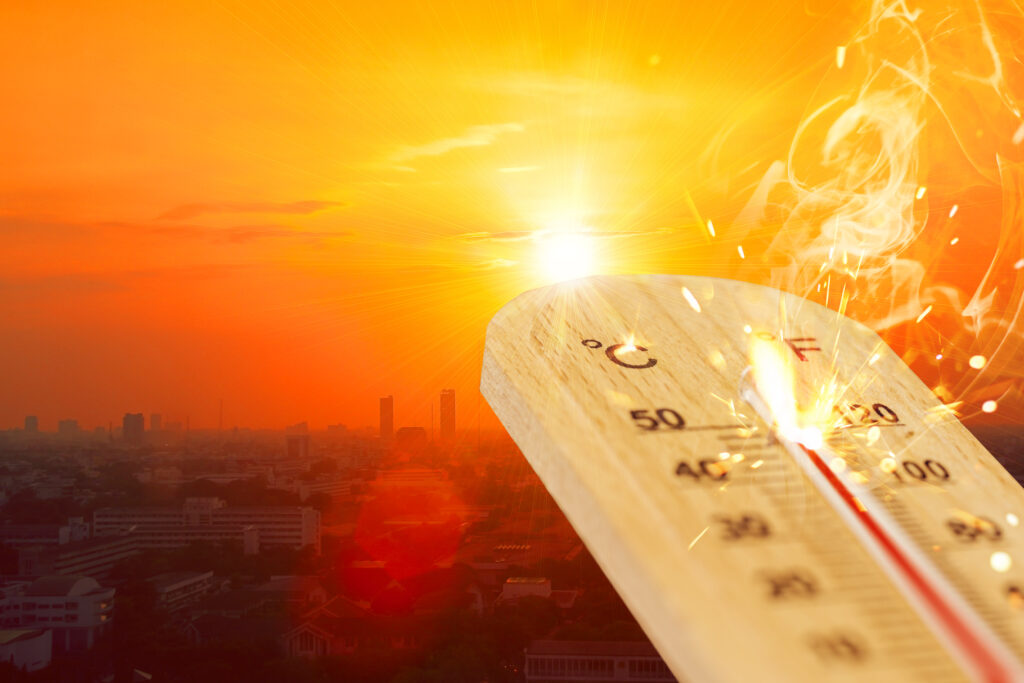
The Northeast India heatwave in July 2025 has shattered temperature records across the region. Cities such as Itanagar, Mazbat, and Guwahati are experiencing unprecedented heat, with temperatures hitting 39°C, 39.9°C, and 38.4°C respectively.
This heatwave, combined with a below-normal monsoon rainfall, is impacting agriculture, especially paddy transplanting, and straining water resources. Experts warn that the dry spell could affect livelihoods unless immediate measures are taken.
Impact of the Heatwave on Temperature Records
The Northeast India heatwave has brought intense dry heat to states including Assam, Arunachal Pradesh, and Meghalaya. Mazbat nearly touched 40°C, unusual for this season, while Itanagar and Guwahati recorded their highest July temperatures in over two decades.
“This is an anomalous event. The usual cloud belt hasn’t shifted over Northeast India, and that’s why these regions are heating up quickly,” said Dr. Sarita Das, a climatologist at Tezpur University.
Farmers report drying fields and cracked soil, highlighting the urgency of the situation.
Below-Normal Rainfall Amid Northeast India Heatwave July
The region is witnessing 35-40% below-normal rainfall during this heatwave. This decline is critical because monsoon rains fuel the planting and growth of crops like paddy.
Although Meghalaya and Mizoram might see isolated heavy showers soon, most of the Northeast remains parched, delaying paddy transplanting and causing water shortages.
How the Northeast India Heatwave Affects Agriculture
Agriculture, especially rice farming, depends on timely monsoon rains. The Northeast India heatwave and reduced rainfall are delaying sowing and transplanting operations.
Farmers face higher irrigation costs and risk losing seedlings, impacting food security in the region. Local agriculture officers urge government support for affected farmers.
Public Health Concerns During Northeast India Heatwave In July
The heatwave is also causing increased heat-related illnesses. Hospitals in Guwahati report more cases of heatstroke and dehydration. Authorities recommend precautions such as avoiding outdoor work during peak heat and ensuring hydration.
Why the Northeast India Heatwave July Is Happening
Meteorologists link the heatwave to a stalled monsoon trough and high-pressure systems blocking moisture. Climate change experts warn that such heatwaves will become more frequent if mitigation steps are not adopted.
Climate models from the Indian Institute of Tropical Meteorology (IITM) warn of increasing heatwaves in the Northeast, a region historically shielded from extremes by its geography and rainfall.
“The Northeast has entered the climate risk zone—rising temperatures, erratic monsoons, and more frequent dry spells are here to stay,” says Dr. Tanmoy Deb, a climate policy expert.
What Can Be Done During the Heatwave
Immediate actions include subsidizing irrigation pumps, issuing weather advisories, and promoting drought-resistant crops. Long-term plans involve improving water management and climate adaptation strategies.
READ MORE: Grassland Bird Species in Kaziranga: 43 Rare Birds Found
The Northeast India heatwave July serves as a wake-up call for the region’s changing climate. Communities, farmers, and policymakers must prepare for more extreme weather to safeguard livelihoods and ecosystems.
“If we don’t adapt now—agriculture, infrastructure, water systems—we will see more suffering, more losses, and more disruption,” warns Dr. Renu Choudhury of NIDM.