


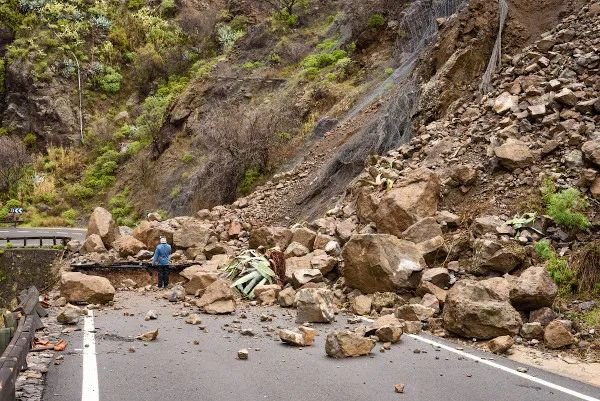
Northeast landslide disruptions have once again paralyzed travel in critical areas of Arunachal Pradesh and Nagaland. These incidents, caused by intense monsoon rains, not only halted transport but also exposed serious gaps in the region’s road infrastructure.
Landslide Halts Tawang–Dirang Route in Arunachal
A massive landslide struck the Balipara-Chariduar-Tawang (BCT) highway in West Kameng district, Arunachal Pradesh. This essential road connects Dirang and Tawang, two strategically vital towns near the Indo-China border.
The landslide occurred near Sapper Camp, where nearly 120 meters of the highway were buried under boulders and mud. Two vehicles were damaged, but fortunately, there were no injuries.
Swift Response, But Risks Remain
The Border Roads Organisation (BRO) under Project Vartak cleared the debris and restored traffic within 24 hours. However, the India Meteorological Department (IMD) has warned that continued rainfall may cause more such incidents. This emphasizes the inherent vulnerability of border roads in Northeast India during the monsoon.
Nagaland’s NH-2 Faces Major Collapse Near Phesama
While Arunachal reeled from the BCT highway blockage, Nagaland’s National Highway-2 (NH-2) suffered a similar fate. A massive landslide near Phesama village, close to Kohima, disrupted connectivity between Nagaland and Manipur.
Widespread Traffic Disruption
This stretch of NH-2 is a lifeline for goods and passenger transport between Nagaland, Manipur, and beyond. Due to the blockage, hundreds of trucks and private vehicles were stranded, forcing traffic authorities to initiate alternate route advisories.
Emergency Detours Announced
To manage the situation, the state issued detour advisories:
- Light vehicles: Rerouted via Kisama–Jakhama–Mao–Maram–Imphal
- Heavy vehicles: Diverted through Chakabama–Kidima–Pfutsero–Jessami
The Public Works Department (PWD) has begun clearance work. However, there is no confirmed timeline for full restoration yet.
Northeast Landslide Disruptions: A Recurring Crisis
These two incidents are not isolated. The Northeast landslide disruptions have become a recurring problem during monsoon months. Mountain roads, especially those built decades ago, can’t handle today’s traffic volumes or extreme weather patterns.
Key Problem Areas
- Steep slopes with poor drainage
- Outdated construction techniques
- Unplanned settlements increasing runoff
- Lack of real-time warning systems
Road to Resilience: What Needs to Change?
To minimize landslide disruptions in the Northeast, infrastructure must evolve. These actions can significantly reduce the region’s vulnerability:
Invest in All-Weather Alternatives
Projects like the Sela Tunnel near Tawang are excellent examples. It provides a permanent, weather-resistant route, avoiding landslide-prone zones. Similar tunnel-based bypasses can future-proof other critical highways.
Use Real-Time Monitoring Systems
Installing landslide detection sensors, geo-technical monitoring, and weather-linked alerts will help agencies issue timely warnings. These tools can prevent travel during high-risk periods, saving lives.
Reinforce Existing Slopes
By using retaining walls, geotextile layers, and afforestation, road builders can stabilize hillsides and reduce erosion, lowering the risk of landslides.
Voices from the Ground
Speaking on the NH-2 collapse, Nagaland Chief Minister Neiphiu Rio stressed the urgent need for a permanent solution, such as a dedicated highway bypass for Phesama. He also highlighted that village roads being used as detours are not designed for heavy commercial traffic, leading to further deterioration.
Local residents in Arunachal expressed concern over the regularity of such disasters. Many called for emergency helipads, shelters, and alternate evacuation routes in border areas.
Build Smarter, Not Just Bigger
The recent Northeast landslide disruptions underscore a critical message: infrastructure without resilience is infrastructure at risk. As climate change intensifies rainfall patterns, landslides will only become more frequent.
READ MORE: Namrup IV Fertilizer Project to Boost Jobs in Assam
The roadblocks caused by landslides in Arunachal and Nagaland this week are more than transportation delays—they’re reminders of the urgent need for modern, durable, and safe road systems in the hills.
With strategic investments, policy support, and citizen engagement, the region can shift from reactive disaster response to proactive resilience planning.