


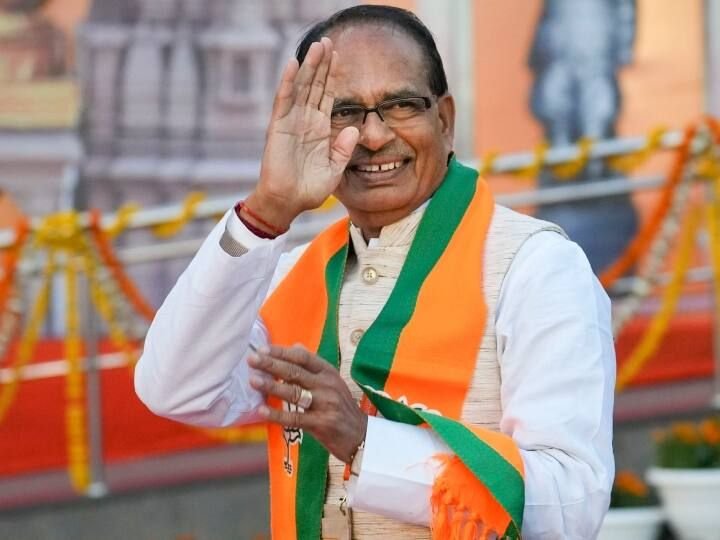
Union Minister Shivraj Singh Chouhan staunchly acknowledged the mastery and cultural depth of Northeastern weavers and artisans at the the National Conclave titled “Weaving India Together”, held in New Delhi. The conclave served as a platform to strengthen the bond between traditional craft and modern markets, with a focus on empowering rural artisans from the Northeast.
His praise for Northeastern craftsmanship underscored the government’s renewed resolve to support local artisans, expand access to resources, and further integrate their skills into India’s broader rural development and “Vocal for Local” vision.
Conclave Highlights: Craft Meets Policy
Interactive Dialogue with Weavers
The conclave, held at the C. Subramaniam Auditorium of the NASC Complex, New Delhi, featured interactive sessions where weavers and artisans from the Northeast could share their successes, obstacles, and aspirations directly with policymakers.
Minister Chouhan not only lauded their artistic excellence but engaged in dialogue about expanding training, improving supply chains, and connecting local crafts to global markets.
Recognition of Key Institutions
During the conclave, ICAR (Indian Council of Agricultural Research) and Central Agricultural University (CAU) Imphal received acknowledgement for their role in promoting rural artisanship in the Northeast. CAU Imphal was singled out for training programs that uplift artisan communities.
Officials attending included ICAR Director General & DARE Secretary Dr. Mangi Lal Jat and ICAR DDG (Agricultural Extension) Dr. Rajbir Singh.
Why This Matters for Northeastern Weavers and Artisans
Cultural Legacy and Identity
The Northeast is rich in textile traditions and folk handicrafts that often remain invisible in mainstream markets. By spotlighting Northeastern weavers and artisans, the conclave helped affirm their importance in India’s cultural mosaic and economic future.
Addressing Challenges
Many artisans in Northeast India struggle with limited access to raw materials, absence of scale, market linkages, and infrastructural constraints. Minister Chouhan’s remarks emphasized that bridging these gaps is essential to ensuring that craft communities thrive rather than struggle.
Aligning with “Atmanirbhar Bharat” and “Vocal for Local”
Chouhan framed the support for artisans as part of India’s broader national strategy: to promote self-reliance and boost local industries. By integrating artisan skills into formal value chains, the goal is to make traditional crafts not only culturally sustainable but economically viable.
Government Initiatives & Roadmap
Enhanced Training & Research Support
The government, through ICAR and allied institutions, plans to roll out advanced training modules specifically tailored for artisan communities in the Northeast. These include design upskilling, quality control, and access to new materials.
Market Access & Supply Chain Integration
One of the key goals announced was to develop stronger market linkages, digital platforms, and institutional support so that Northeastern weavers and artisans can reach national and international consumers, not just local buyers.
Institutional Recognition
By recognizing ICAR and CAU Imphal’s roles, Chouhan emphasized that partnering with research institutions and universities can help scale artisan impacts in the Northeast and beyond.
Voices from the Floor: Artisans’ Perspectives
During the interaction session, many artisans raised issues like uneven supply of dye materials, limited market exposure, and lack of design support. Some spoke of how middlemen often capture profit margins, while craftspersons remain under-paid.
A few artisans also suggested that fairs and expos should rotate through Northeastern towns, making it easier for remote communities to participate.
Minister Chouhan assured that these voices would be factored into policy decisions and committed to actionable roadmaps rather than symbolic gestures.
Challenges Ahead & Strategic Imperatives
- Scaling quality and consistency: Artisans need support mechanisms to maintain high standards across batches.
- Distribution and logistics in remote regions: Especially in the Northeast, transportation and infrastructure can be prohibitive.
- Intellectual property and design protection: Ensuring local designs are not plagiarized.
- Sustainable raw material sourcing: Craft inputs must also maintain environmental compatibility.
If the government can tackle these systematically, Northeastern weavers and artisans can become emissaries of India’s rich textile heritage globally.
READ MORE: Zubeen Garg Case: DSP Sandipan Garg Arrested