


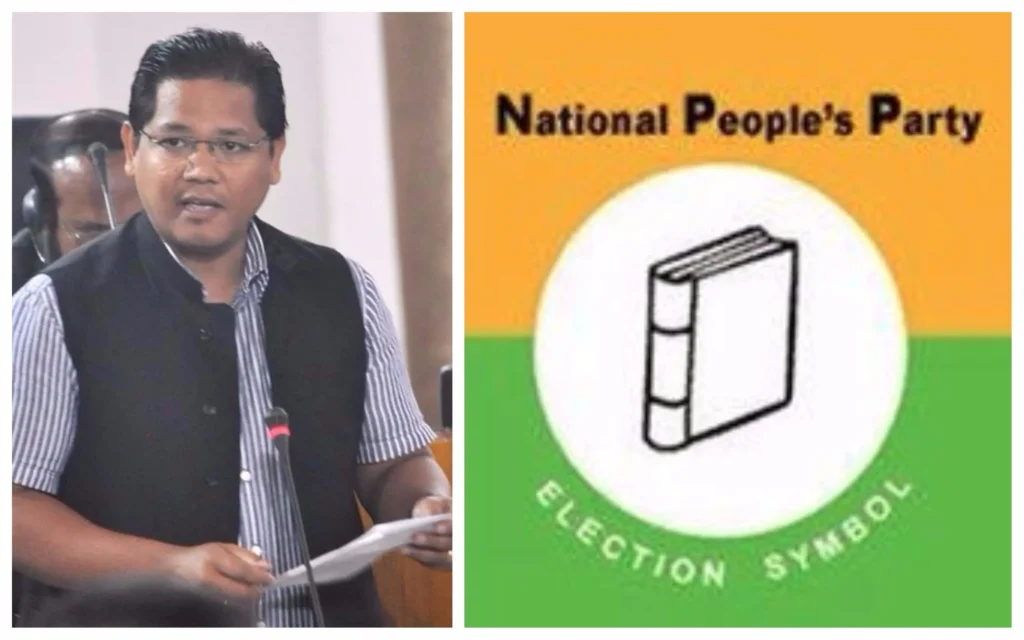
The NPP Northeast Interests Commitment emerged as a major theme during the National People’s Party’s annual meeting, where party leaders reaffirmed their focus on issues affecting the Northeast region. The party also called for strict consultation protocols concerning Foreign Contribution Regulation Act (FCRA) parameters. Moreover, the discussions highlighted the NPP’s emphasis on regional representation, policy participation, and safeguarding the interests of northeastern states in national decision-making processes.
Sikkim Strategic Infrastructure Check Highlights Key Connectivity Projects
Inspiring Asiatic Bear Cubs Release Marks Conservation Success
NPP Northeast Interests Commitment Dominates Annual Meeting
The NPP Northeast Interests Commitment formed the central agenda during the National People’s Party’s annual meeting. Party leaders used the platform to reiterate their dedication to addressing issues affecting the Northeast and ensuring that regional concerns receive adequate attention at the national level.
Moreover, the meeting provided an opportunity for delegates to discuss policy priorities, governance challenges, and strategies aimed at strengthening the voice of northeastern states within India’s broader political framework.
Party Reaffirms Focus on Regional Development
Leaders emphasized that the Northeast remains at the core of the party’s political vision. Consequently, discussions focused on economic growth, infrastructure development, social welfare, and improved connectivity across the region.
Additionally, party representatives highlighted the importance of policies tailored to the unique geographical, cultural, and developmental needs of northeastern states. Such an approach, they argued, would help address region-specific challenges more effectively.
Demand for Consultation on FCRA Parameters
A significant outcome of the meeting was the party’s demand for strict consultation protocols regarding Foreign Contribution Regulation Act (FCRA) parameters. Leaders emphasized that stakeholders should receive opportunities to participate in discussions whenever regulatory changes could affect organizations operating in the region.
Furthermore, the party advocated a structured consultation mechanism that would allow state governments, civil society organizations, and relevant stakeholders to share their perspectives before major policy decisions are finalized.
Understanding the Foreign Contribution Regulation Act
The Foreign Contribution Regulation Act regulates the acceptance and utilization of foreign contributions by individuals, associations, and organizations in India. Therefore, any changes to FCRA-related provisions often attract attention from various sectors, including non-governmental organizations and community groups.
Moreover, the legislation aims to ensure transparency and accountability in the use of foreign funds. Policymakers frequently review its implementation to balance regulatory oversight with organizational requirements.
Northeast Region Holds Strategic Importance
The Northeast occupies a distinctive position within India’s political and economic landscape. Consequently, policies affecting the region often require careful consideration of local conditions and development priorities.
Additionally, the region serves as an important gateway for trade, cultural exchange, and connectivity with neighboring countries. Leaders at the meeting emphasized that national policies should adequately reflect these strategic realities.
NPP Advocates Greater Stakeholder Participation
Party delegates stressed the value of inclusive decision-making processes. Therefore, they argued that consultation mechanisms can strengthen policy outcomes by incorporating diverse viewpoints and practical experiences.
Furthermore, stakeholder participation often helps policymakers identify challenges and opportunities that may not be immediately visible during the drafting stage of regulations. Such engagement can contribute to more effective implementation.
Regional Representation Remains a Key Priority
The annual meeting also focused on strengthening regional representation in national discussions. Notably, party leaders argued that northeastern perspectives should receive greater visibility in policy debates affecting governance and development.
Moreover, the NPP maintained that sustained dialogue between central authorities and regional stakeholders can help create policies that better reflect local aspirations and needs.
Discussions Extend Beyond Regulatory Issues
While FCRA-related concerns received considerable attention, delegates also examined broader governance and development matters. Consequently, discussions included infrastructure expansion, employment opportunities, education, healthcare, and social welfare initiatives.
Additionally, leaders reviewed ongoing challenges facing several northeastern states and explored potential policy approaches to address them effectively.
Importance of Cooperative Federalism
The party highlighted the importance of cooperative federalism in addressing regional concerns. Therefore, leaders encouraged stronger collaboration between state governments and central authorities to improve policy outcomes.
Furthermore, effective coordination can help ensure that development initiatives align with both national objectives and local priorities. Such cooperation often enhances administrative efficiency and public trust.
Future Policy Engagement Expected
The meeting concluded with a renewed focus on policy engagement and regional advocacy. Notably, party leaders expressed their intention to continue raising issues affecting the Northeast through democratic and institutional channels.
Meanwhile, discussions on consultation protocols and regulatory frameworks are expected to remain important topics in future policy conversations. The party emphasized that constructive dialogue remains essential for balanced and inclusive governance.
Conclusion
The NPP Northeast Interests Commitment reaffirmed during the National People’s Party’s annual meeting highlights the organization’s continued focus on representing the concerns and aspirations of the northeastern region. By emphasizing regional development, stakeholder participation, and stronger representation in national policymaking, the party sought to reinforce its commitment to issues affecting the Northeast.
Moreover, the demand for strict consultation protocols regarding Foreign Contribution Regulation Act parameters reflects the party’s view that policy decisions should involve meaningful engagement with stakeholders. Leaders argued that broader participation can contribute to more effective and transparent governance while ensuring that regional realities are adequately considered.
Furthermore, discussions at the meeting extended beyond regulatory matters to include development priorities such as infrastructure, education, healthcare, and economic growth. These issues remain central to the long-term progress of northeastern states. Overall, the NPP Northeast Interests Commitment demonstrated the party’s intention to continue advocating for regional interests while encouraging collaborative policymaking and constructive dialogue on matters affecting the Northeast and its future development.
FAQs
Q1. What was the main focus of the NPP annual meeting?
The meeting focused on issues affecting the Northeast, regional development priorities, and policy matters including consultation procedures related to FCRA regulations.
Q2. What is the Foreign Contribution Regulation Act (FCRA)?
The FCRA is a law that regulates the receipt and use of foreign contributions by individuals and organizations in India. It aims to ensure transparency and accountability in the handling of such funds.
Q3. What does the NPP Northeast Interests Commitment refer to?
The NPP Northeast Interests Commitment refers to the party’s pledge to prioritize the concerns, development needs, and representation of northeastern states in national policymaking discussions.
Q4. Why did the party call for consultation protocols?
Party leaders argued that consultation mechanisms would allow stakeholders to contribute their views before significant regulatory decisions are implemented.
Q5. What other issues were discussed during the meeting?
Delegates also discussed infrastructure development, economic growth, social welfare, healthcare, education, and governance-related challenges affecting the Northeast region.