


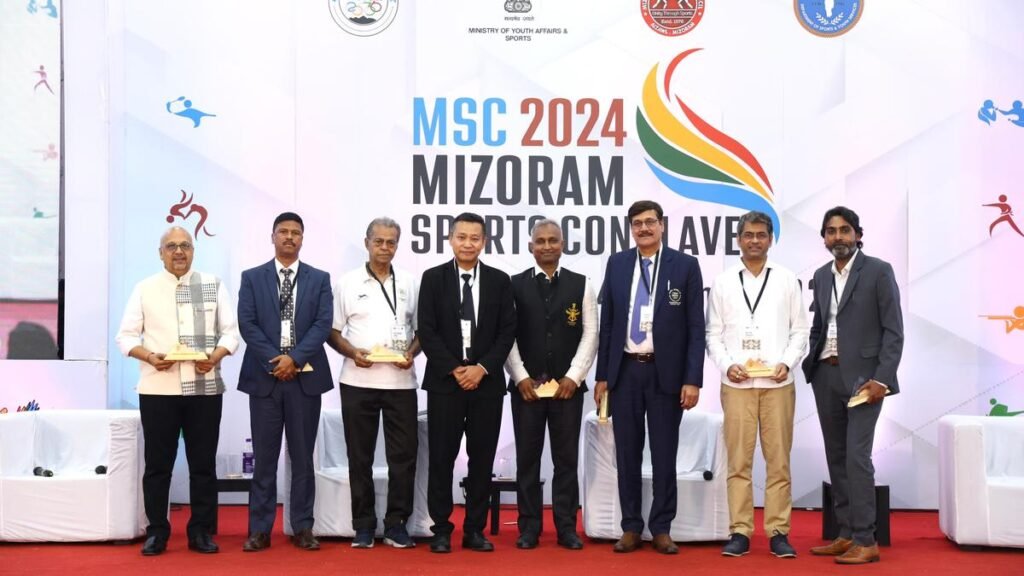
The **Mizoram sports department has announced specialized financial allocations aimed at developing state athletes for the long-term goal of competing at the 2036 Olympic Games. The initiative signals a strategic shift toward sustained athlete development rather than focusing only on short-term sporting achievements.
The plan seeks to strengthen the state’s sporting ecosystem through targeted financial support and athlete-focused development. Moreover, long-term preparation could give promising athletes greater access to training and competitive opportunities.
The initiative reflects Mizoram’s ambition to strengthen its contribution to India’s future Olympic programme.
Engineering Quota Discrepancy: MZP Seeks Governor’s Intervention Over Seven Central Pool Seats
Mizoram Plans Long-Term Olympic Preparation
The sports department has placed the 2036 Olympic Games within its long-term athlete development vision.
Preparing athletes for an Olympic cycle requires sustained investment over several years. Furthermore, identifying promising athletes early can allow sporting authorities to provide structured support throughout their development.
Mizoram’s approach therefore focuses on creating a longer pathway from grassroots participation to elite competition.
Dedicated Financial Allocations for Athletes
The government plans to provide specialized financial support for athletes identified under its development strategy.
Targeted funding can help athletes meet expenses associated with training, equipment, competitions, and professional development. Additionally, financial assistance can reduce some of the barriers that promising athletes face while pursuing higher levels of competition.
The initiative places athlete support at the centre of the state’s Olympic ambitions.
Focus on Athlete Development
Developing Olympic-level athletes requires more than identifying sporting talent.
Athletes need consistent coaching, appropriate facilities, competition exposure, nutrition support, recovery systems, and sports science. Moreover, long-term planning can help authorities coordinate these requirements instead of relying on isolated initiatives.
The proposed allocations could therefore form part of a broader athlete-development framework.
Mizoram’s Sporting Potential
Mizoram has established a strong sporting culture, particularly in football and other competitive disciplines.
The state has produced athletes who have represented Mizoram and India at different levels. Furthermore, stronger institutional support could help more young athletes progress from local competitions to national and international events.
The Olympic development strategy seeks to build on this existing sporting potential.
Preparing for the 2036 Olympics
The 2036 Olympics remain a long-term target, giving athletes and sports authorities considerable preparation time.
A long development window allows promising young athletes to progress gradually through different competitive levels. Additionally, sports departments can use the period to strengthen coaching systems, facilities, talent identification, and performance monitoring.
Early planning could therefore become an important advantage.
Importance of Grassroots Talent Identification
Elite athletes often emerge from strong grassroots sporting systems.
Schools, clubs, district competitions, and state-level tournaments can provide opportunities to identify promising talent. Moreover, systematic scouting can help authorities recognise athletes who may have the potential to progress to national and international competition.
Connecting grassroots sport with elite development will therefore remain important.
Coaching and Training Infrastructure
Financial support alone cannot guarantee Olympic success.
Athletes require access to qualified coaches and appropriate training environments. Furthermore, specialised facilities can become essential as athletes progress toward higher levels of competition.
Mizoram may therefore need to complement its financial allocations with continued investment in sports infrastructure and professional coaching.
Competition Exposure Matters
Regular participation in high-level competitions can help athletes gain valuable experience.
International and national competitions expose athletes to stronger opponents and different competitive environments. Additionally, repeated exposure can help athletes improve performance under pressure and understand the demands of elite sport.
Long-term funding could make such opportunities more accessible to promising Mizoram athletes.
Supporting Young Athletes
Young athletes need sustained support as they develop their sporting careers.
Without adequate financial and institutional assistance, talented athletes can face difficulties continuing intensive training. Moreover, educational and career considerations can influence whether young athletes remain committed to high-level sport.
A structured development programme could help create a more stable pathway for emerging talent.
Building a Stronger Sports Ecosystem
The Olympic initiative could have benefits beyond individual athletes.
Investment in coaching, facilities, sports science, competitions, and talent identification can strengthen the state’s overall sporting ecosystem. Additionally, stronger systems can benefit athletes who may ultimately compete at Asian, Commonwealth, national, or other international events.
The 2036 objective can therefore serve as a catalyst for broader sports development.
Long-Term Commitment Required
Olympic preparation requires patience and consistent investment.
Athletes can take years to reach elite levels, while sporting programmes need regular evaluation and improvement. Furthermore, authorities will need to monitor athlete progress and adjust support according to performance and development needs.
Maintaining the programme over the long term will be crucial.
What Happens Next?
The sports department will need to translate the proposed financial allocations into structured athlete-development programmes.
Authorities can focus on identifying talent, providing specialised training, improving facilities, and increasing competition exposure. Moreover, regular monitoring can help ensure that public funding reaches athletes and programmes with strong development potential.
The coming years will determine how effectively Mizoram converts its Olympic ambition into measurable sporting progress.
Conclusion
Mizoram’s decision to establish specialized financial allocations for athlete development reflects a long-term ambition to prepare state athletes for the 2036 Olympic Games.
Moreover, sustained investment in talent identification, coaching, facilities, competition exposure, and athlete support could strengthen the state’s sporting ecosystem. At the same time, Olympic-level development requires consistent commitment over many years.
Overall, the 2036 Olympic goal provides Mizoram with an opportunity to build a structured pathway for young athletes and strengthen the state’s contribution to India’s future sporting ambitions.
FAQs
1. What is Mizoram’s Olympic development goal?
The sports department is developing long-term plans aimed at preparing state athletes for the 2036 Olympic Games.
2. What type of support is being planned?
The initiative includes specialized financial allocations for athlete development.
3. Why is long-term planning important?
Olympic-level performance requires years of training, coaching, competition exposure, facilities, and consistent financial support.
4. How can young athletes benefit?
Targeted support can help promising athletes access training, equipment, competitions, coaching, and other development opportunities.
5. Will funding alone ensure Olympic success?
No. Financial support must work alongside quality coaching, infrastructure, talent identification, sports science, and sustained athlete development.