


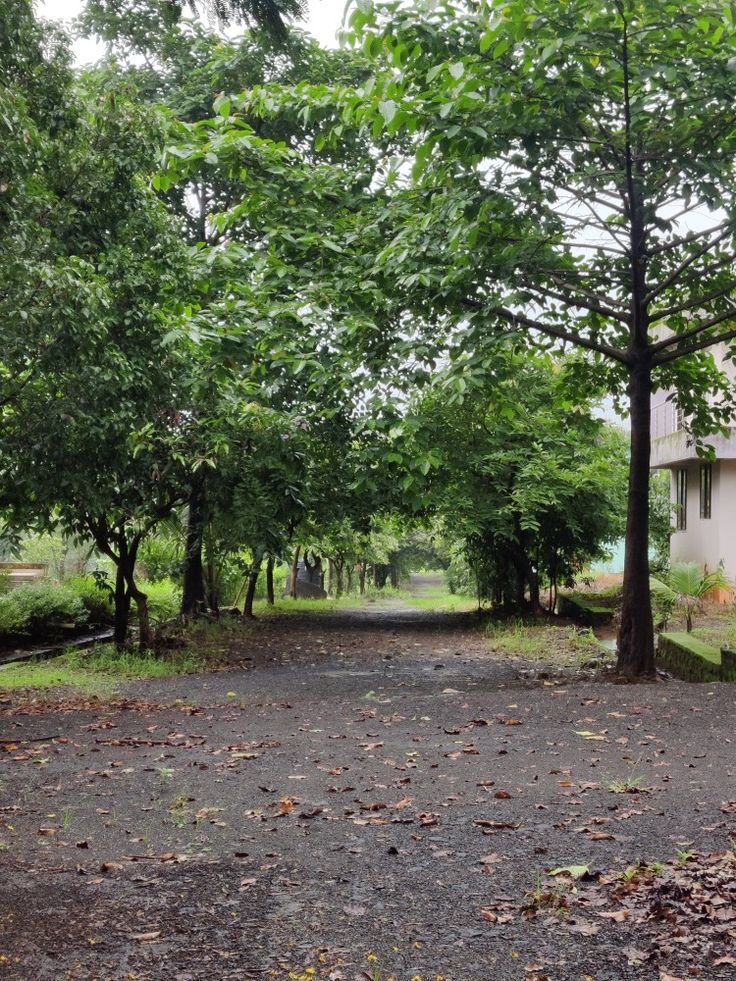
In a move that has reignited debate over environmental accountability and tribal rights, the Government of India has demanded an action report from the Assam state administration regarding the diversion of 166 hectares of forest land in Paharpur Reserved Forest (RF). This diversion has directly impacted the long-awaited relocation of 412 Laika families, who have been living in limbo for years.
The issue, which blends ecological sensitivity with humanitarian urgency, has drawn criticism from environmentalists, tribal rights activists, and policy experts across the country.
The Laika Families: A Community in Crisis
The Laika families, indigenous to the Dibru-Saikhowa National Park region, have been seeking relocation since 2020 due to increasing human-wildlife conflict and lack of basic amenities. The Assam government had proposed relocating them to Paharpur RF, but the plan hit a roadblock when the forest land diversion failed to receive timely clearance from the Ministry of Environment, Forest and Climate Change (MoEFCC).
Despite repeated assurances, the families remain stranded in temporary shelters, facing harsh living conditions and uncertainty about their future.
“We were promised safe relocation, but now we are stuck between bureaucracy and broken promises,” said a community elder from Laika.
Environmental Concerns Over Forest Land Diversion
The diversion of 166 hectares of ecologically sensitive forest land has alarmed conservationists. Paharpur RF is home to diverse flora and fauna, and any disruption could have long-term consequences for biodiversity.
Key Environmental Risks:
- Loss of habitat for endangered species
- Increased deforestation and soil erosion
- Disruption of ecological corridors
- Violation of the Forest Conservation Act, 1980
Environmental watchdogs have urged the Centre to conduct an independent ecological impact assessment before approving any relocation plans.
Centre’s Intervention: A Wake-Up Call
The Centre’s demand for an action report signals growing concern over the lack of transparency and urgency in Assam’s handling of the issue. Officials from the MoEFCC have reportedly asked the state government to clarify:
- The legal basis for the proposed diversion
- The status of compensatory afforestation
- The timeline for rehabilitation of displaced families
This intervention could either accelerate the relocation process or lead to a complete reassessment of the plan.
Humanitarian Fallout: Families in Limbo
While environmental concerns dominate headlines, the humanitarian crisis unfolding in Laika is equally pressing. The displaced families lack access to:
- Clean drinking water
- Healthcare facilities
- Education for children
- Livelihood opportunities
NGOs working in the region have called for immediate relief measures, including mobile health units, food distribution, and temporary schooling.
“These families are victims of both environmental neglect and administrative apathy,” said a spokesperson from a local NGO.
Time for Transparent Governance
The Paharpur forest land diversion controversy is more than a bureaucratic hiccup—it’s a test of India’s commitment to sustainable development and tribal welfare. As the Centre steps in, it’s crucial for the Assam government to act swiftly, transparently, and compassionately.
Citizens, activists, and policymakers must demand accountability. The relocation of the Laika families should not come at the cost of environmental degradation or prolonged human suffering.
READ MORE: ED Raids Retired IAS Officer in ₹105 Crore SCERT Scam