


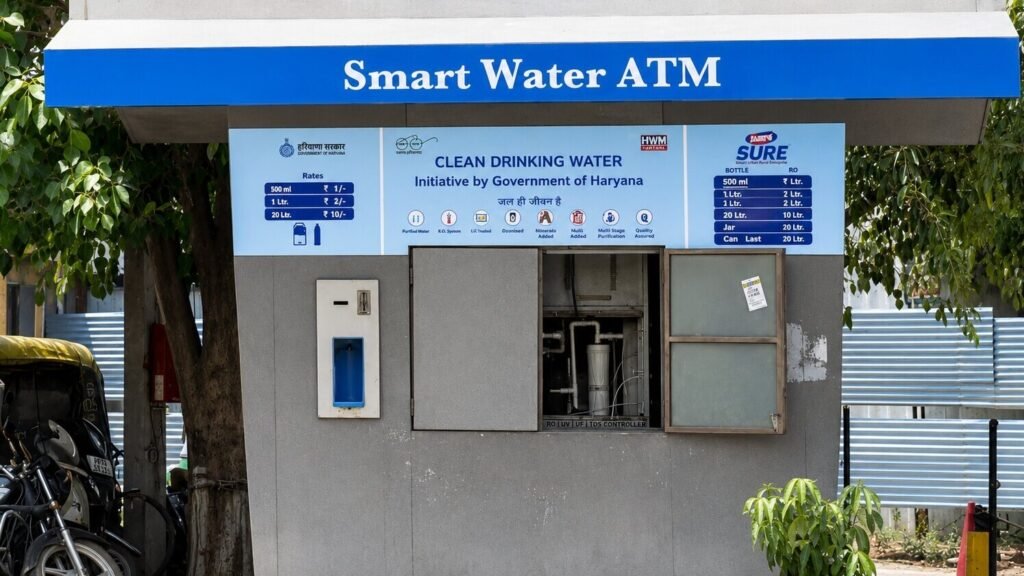
The Public Health Engineering Department (PHED) has successfully completed testing and operationalized the first batch of automated Water ATMs across several high-traffic urban centres. The initiative aims to improve access to safe and affordable drinking water while promoting smart urban infrastructure and public health. Moreover, the deployment reflects broader efforts to modernize civic amenities and strengthen sustainable water management systems in rapidly growing urban areas.
AMRUT 2.0 Urban Infrastructure Initiative: MLA RK Imo Launches Major Water Supply Project
Mallikarjun Kharge Urges Immediate Release of PM CARES Funds for Flood-Affected Northeast States
Automated Water ATMs Begin Operations in Key Urban Locations
Following successful testing and quality assurance procedures, the Public Health Engineering Department has officially opened the first phase of automated Water ATMs for public use. Consequently, residents, commuters, and visitors can now access purified drinking water at strategically selected high-footfall locations.
According to officials, the automated units have been installed in major public spaces to ensure convenient access to safe drinking water throughout the day. Moreover, the facilities are equipped with automated dispensing systems and monitoring mechanisms designed to maintain service efficiency and water quality standards. Therefore, the initiative has been welcomed as an important step toward improving urban public services.
Authorities emphasized that expanding access to potable water remains a critical public health objective. As a result, plans for additional installations may be considered in the future.
Meanwhile, technical teams continue to monitor the performance and operational efficiency of the newly commissioned units.
Smart Water Infrastructure Receives Greater Policy Focus
The deployment of Water ATMs highlights the increasing emphasis on integrating technology into essential public utility services. Moreover, automated water dispensing systems can improve accessibility, reduce operational inefficiencies, and support sustainable resource management. Therefore, smart infrastructure solutions continue to receive policy attention.
Urban development experts noted that public water dispensing systems can help reduce dependence on bottled water while ensuring wider access to safe drinking water. Consequently, governments increasingly invest in technology-driven public utility projects to improve service delivery and public welfare. Such initiatives contribute to healthier and more sustainable urban environments.
Furthermore, automated systems enable better monitoring of water usage and maintenance requirements. As a result, authorities expect improved operational management and long-term sustainability.
Meanwhile, public agencies continue to evaluate opportunities for further technological integration.
Public Health and Urban Convenience Prioritized
The Water ATM initiative is also expected to contribute significantly to public health outcomes by providing reliable access to treated drinking water. Moreover, high-traffic public areas often experience increased demand for safe and affordable water facilities. Therefore, improving accessibility remains a major priority.
Public health specialists observed that access to safe drinking water is essential for preventing waterborne diseases and improving overall community health. Consequently, investments in drinking water infrastructure remain an important component of urban development policy. Such measures support both health protection and social welfare objectives.
Furthermore, convenient access to drinking water facilities can improve public experience and reduce environmental waste associated with disposable plastic bottles. As a result, sustainability considerations have become increasingly important.
Meanwhile, awareness campaigns regarding the use of public water facilities may also be expanded.
Sustainable Urban Development and Resource Management
The launch of automated Water ATMs reflects broader efforts to promote sustainable urban development and responsible resource utilization. Moreover, policymakers continue to emphasize the importance of combining technological innovation with public service delivery improvements. Therefore, smart utility infrastructure remains a key component of urban planning strategies.
Experts emphasized that sustainable water management requires investment in infrastructure, monitoring systems, and public engagement initiatives. Consequently, governments increasingly support projects that improve access while promoting environmental sustainability. Such approaches contribute to long-term urban resilience.
Furthermore, successful implementation of the Water ATM model could encourage similar projects in other cities and regions. As a result, interest in technology-enabled public utility services continues to grow.
Conclusion
The successful commissioning of the first batch of automated Water ATMs by the Public Health Engineering Department marks an important milestone in improving urban drinking water access and public infrastructure. Moreover, the initiative highlights the growing role of technology, sustainability, and public health considerations in urban development planning.
As additional units are deployed and operational experience expands, the project is expected to contribute significantly to improving public services and promoting sustainable resource management. Therefore, the initiative represents a meaningful step toward building smarter and healthier cities.
The latest development underscores the importance of innovation, accessibility, and sustainability in shaping the future of urban public services.
FAQs
1. What are Water ATMs?
Water ATMs are automated dispensing units that provide access to purified drinking water.
2. Who launched the initiative?
The Public Health Engineering Department (PHED) implemented and operationalized the Water ATMs.
3. Where have the Water ATMs been installed?
They have been installed at high-traffic urban centres and public locations.
4. What is the main objective of the project?
The project aims to improve access to safe, affordable, and convenient drinking water.
5. How do Water ATMs support sustainability?
They reduce dependence on bottled water and promote efficient resource management.