


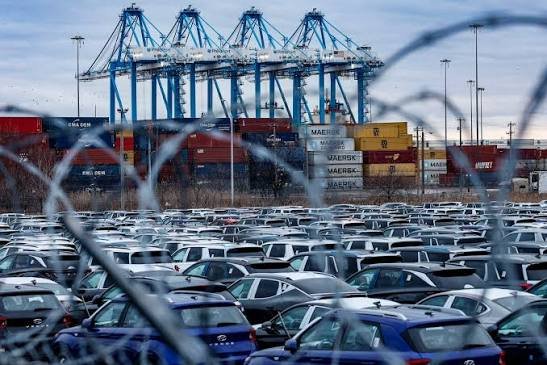
The Philadelphia Port Cargo Boom has emerged as a major development after the Port of Philadelphia reportedly recorded record cargo volumes for automobile imports. The increase has strengthened activity across the port and local logistics network while creating additional opportunities for workers and businesses connected to transportation and distribution.
Loktak Arms Cache: Security Forces Recover Hidden Insurgent Weapons Near Manipur’s Loktak Lake
The Philadelphia Port Cargo Boom highlights the importance of the Delaware River port complex to regional trade. Moreover, higher vehicle imports can increase demand for cargo handling, storage, trucking, rail connections, customs services, and other logistics operations.
The rise in automobile cargo also reflects continued movement through one of the largest vehicle-handling gateways on the US East Coast. Therefore, stronger port activity could have wider economic effects across the Philadelphia region.
Growing cargo volumes can also support employment throughout the supply chain. Additionally, businesses that provide transportation, warehousing, maintenance, equipment, and related services may benefit from increased activity.
Philadelphia Port Cargo Boom Drives Automobile Imports
The Philadelphia Port Cargo Boom has been linked to record automobile import volumes reported by the Port of Philadelphia.
Moreover, vehicle imports require specialised handling and storage facilities. Consequently, higher volumes can increase demand for workers and equipment involved in unloading, processing, transporting, and storing automobiles.
The port’s location along the Delaware River provides access to a major regional transportation network. Furthermore, connections to highways and rail infrastructure can help move imported vehicles toward dealerships and other destinations.
The growth also highlights the importance of efficient cargo operations. Therefore, port authorities and logistics companies must maintain adequate capacity as automobile volumes increase.
Philadelphia Port Cargo Boom Supports Logistics Jobs
The Philadelphia Port Cargo Boom could create additional employment opportunities across the region’s logistics sector.
Additionally, higher cargo volumes can increase demand for longshore workers, truck drivers, warehouse employees, equipment operators, freight handlers, and other transportation professionals. As a result, the benefits can extend beyond direct port employment.
Automobile imports also require supporting services. Meanwhile, customs processing, vehicle preparation, insurance, transportation coordination, and storage can generate additional economic activity.
Local businesses can therefore benefit from increased trade flows. Moreover, sustained cargo growth can encourage companies to invest in equipment, facilities, and workforce capacity.
Philadelphia Port Cargo Boom Strengthens Regional Trade
The Philadelphia Port Cargo Boom also reinforces the port’s role in regional and national trade.
Furthermore, automobile imports connect Philadelphia to international manufacturing and distribution networks. Consequently, efficient port operations can help businesses receive vehicles and move them through the supply chain.
The increase can also benefit related transportation infrastructure. Additionally, stronger demand for trucking and rail services can support activity across the wider logistics network.
However, cargo volumes can fluctuate according to consumer demand, global trade conditions, vehicle production, shipping costs, and economic trends. Therefore, maintaining long-term growth will require continued investment and efficient operations.
Philadelphia Port Cargo Boom Boosts Local Economy
The Philadelphia Port Cargo Boom can have wider economic implications for the city and surrounding communities.
Moreover, port activity supports a broad network of businesses that provide transportation, warehousing, equipment, maintenance, and professional services. Consequently, increased automobile imports can create indirect economic benefits.
Greater cargo activity can also strengthen Philadelphia’s position as a logistics hub. Furthermore, companies may view efficient port infrastructure as an advantage when deciding where to locate distribution and transportation operations.
At the same time, sustained growth requires attention to infrastructure capacity, worker training, safety, and environmental management. Therefore, future investment will remain important as cargo volumes evolve.
Conclusion
The Philadelphia Port Cargo Boom marks a significant development after the Port of Philadelphia reportedly recorded record automobile import volumes.
Furthermore, the increase can support port operations, transportation businesses, logistics employment, and related services throughout the region. Strong vehicle imports also demonstrate the continuing importance of Philadelphia’s port infrastructure to international and domestic supply chains.
Overall, the Philadelphia Port Cargo Boom could provide a valuable boost to the regional logistics economy while reinforcing the Port of Philadelphia’s role as an important gateway for automobile trade.
FAQs
1. What is the Philadelphia Port Cargo Boom?
The Philadelphia Port Cargo Boom refers to the reported record growth in automobile cargo volumes handled through the Port of Philadelphia.
2. How can higher auto imports create jobs?
Greater vehicle volumes can increase demand for cargo handlers, truck drivers, warehouse workers, equipment operators, logistics coordinators, and other supply-chain professionals.
3. Why is Philadelphia important for automobile imports?
The port provides access to the Delaware River and connects international cargo with highways, rail networks, distribution centres, and regional markets.
4. Which businesses can benefit from increased port activity?
Trucking companies, warehouses, freight services, equipment providers, customs businesses, maintenance firms, and other logistics-related companies can benefit.
5. Will record cargo volumes continue?
Future volumes will depend on vehicle demand, international trade, manufacturing, shipping conditions, and broader economic trends.