


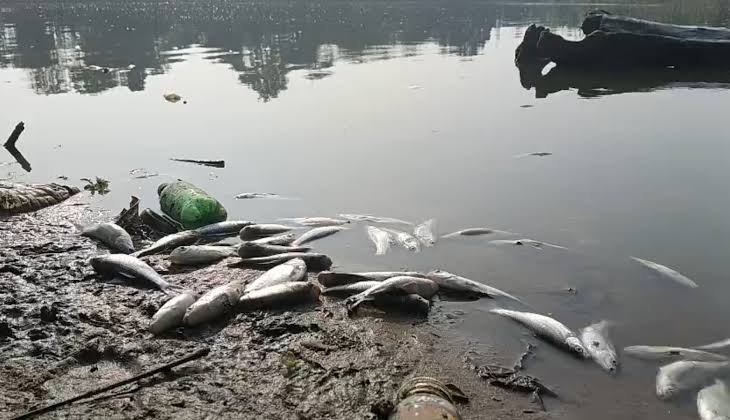
The Nanua Lake fish poisoning incident in Tripura’s Udaipur subdivision has caused substantial financial losses for a group of fishery entrepreneurs after large numbers of fish fingerlings died in the government-owned water body. Unidentified persons allegedly poisoned the lake in the Khilpara area under the Matabari constituency, destroying fish stocks valued at approximately ₹12 lakh. The incident came to light on October 24, 2026, when the investors discovered dead fingerlings floating on the water. The affected entrepreneurs suspect deliberate sabotage and have approached the police, seeking an investigation into the incident.
Infrastructure Expansion Fast-Tracked Across Border Connectivity Projects in Unakoti
Nanua Lake Fish Poisoning Causes Major Financial Loss
The incident occurred at Nanua Lake in Khilpara, within the Udaipur subdivision of Gomati district. The government-owned lake had been leased to a group of fishery entrepreneurs who invested money in raising fish for commercial purposes.
The group included Shibendra Das, Rathindra Das and Kanu Chandra Das, among other investors. They had stocked the lake with fish fingerlings worth approximately ₹8 lakh as part of their fish-farming investment.
However, the situation changed on the morning of October 24, when the entrepreneurs learned that large numbers of fingerlings had died. They rushed to the lake and found dead fish floating across the water.
The scale of the loss shocked the investors. According to the reported assessment, the dead fingerlings had a value of approximately ₹12 lakh, while the original investment in stocking the lake stood at around ₹8 lakh.
The incident has raised concerns about the security of fisheries and other livelihood assets in Tripura. Fish farming requires investment in fingerlings, feed, maintenance and labour. When a large stock dies before reaching market size, farmers can lose both their initial investment and the income they expected to earn later.
The affected entrepreneurs suspect that someone deliberately contaminated the water. However, investigators must establish the cause of the fish deaths and identify any person responsible before drawing conclusions about the incident.
Fishery Entrepreneurs Suspect Deliberate Water Contamination
After discovering the dead fingerlings, the investors contacted fishery experts to examine the situation. Their preliminary assessment reportedly indicated that poisoning may have caused the deaths.
Rathindra Das, one of the investors, told media representatives that the group suspected deliberate mischief. He said the entrepreneurs intended to file a police complaint over the incident.
Subsequent reports indicated that the group had filed a complaint. However, no arrests had been reported in connection with the incident at the time of publication.
The exact substance involved, the circumstances surrounding the alleged contamination and the identity of any suspected perpetrators remain unconfirmed in the available reporting.
Establishing the cause of a mass fish death requires careful investigation. Experts may need to examine water conditions, fish samples and other evidence to determine whether a toxic substance caused the deaths or whether another factor contributed to the incident.
The police investigation will also need to examine the circumstances surrounding the lake and any available evidence that could help identify those responsible.
For the investors, the immediate concern is the loss of their fish stock and the money they committed to the business. They now face uncertainty about the financial impact and the prospects for continuing operations at the lake.
The incident also highlights the importance of protecting leased water bodies used for commercial aquaculture. Investors depend on the security of their stocks throughout the production cycle, particularly when fish require time to grow before they can be sold.
Fish Farming Livelihoods Face Growing Concerns
Fish farming provides income and business opportunities for many people in Tripura. Entrepreneurs invest in fingerlings, feed and pond management, hoping to sell mature fish after a suitable growing period.
When poisoning or another serious incident destroys a fish stock, the financial consequences can extend beyond the immediate value of the dead fish. Investors may lose months of production, face additional costs and struggle to recover the money required to restart operations.
In the Nanua Lake case, the reported ₹8 lakh investment in fingerlings had already been made before the fish died. The estimated value of the destroyed stock reached approximately ₹12 lakh, illustrating the scale of the loss reported by the entrepreneurs.
However, the final financial impact may depend on further assessment and the circumstances established during the investigation. The reported figures should therefore be understood as estimates rather than a final official compensation assessment.
The incident has also renewed attention on the protection of productive assets in rural and semi-urban communities. Fisheries, agricultural land and other small businesses can represent major investments for individuals and families.
Protecting these assets requires appropriate security, prompt reporting of suspected wrongdoing and effective investigations when losses occur. Authorities must also establish the facts before attributing responsibility or motive.
For local fishery entrepreneurs, confidence in the safety of leased water bodies is essential. Incidents that destroy stocks can discourage investment and create uncertainty for people who depend on aquaculture for income.
The Nanua Lake incident therefore carries significance beyond the immediate loss. It highlights the vulnerability of fish-farming investments and the importance of establishing what happened through a credible investigation.
Police Complaint Raises Questions About Accountability
The affected entrepreneurs have sought police intervention following the reported deaths of the fingerlings. Their complaint provides a basis for authorities to examine the incident and determine whether an offence occurred.
At the time of the reported update, no arrest had been announced. The identity of the person or persons responsible, if deliberate poisoning is confirmed, remains unknown.
Investigators will need to assess the available evidence and establish the cause of the fish deaths. Any conclusions about motive or responsibility should depend on verified findings rather than suspicion alone.
The case also raises questions about how authorities can protect fisheries that support local livelihoods. Clear procedures for reporting incidents, collecting relevant evidence and conducting timely investigations can help affected entrepreneurs seek accountability.
Meanwhile, the investors face the practical challenge of dealing with their losses. They may need further technical assessments to understand the condition of the lake and determine what steps are appropriate before any future stocking takes place.
The incident also serves as a reminder that suspected water contamination can have consequences beyond commercial losses. Authorities should assess whether the lake’s water poses any environmental or public health concern before people or animals use it.
Any decisions about the lake’s future use should follow appropriate technical guidance. The investigation should establish the facts while helping determine what measures are necessary to prevent similar incidents.
For now, the affected entrepreneurs are awaiting the outcome of the complaint and the authorities’ efforts to identify the cause of the mass fish deaths.
Conclusion
The Nanua Lake fish poisoning incident in Khilpara, Udaipur, has reportedly destroyed fish fingerlings valued at approximately ₹12 lakh. The lake had been leased to a group of fishery entrepreneurs who invested around ₹8 lakh in stocking it. The investors discovered the dead fingerlings on October 24, 2026, and suspect that someone deliberately contaminated the water.
The entrepreneurs sought an assessment from fishery experts and approached the police. Reports indicated that a complaint had been filed, although no arrests had been reported at the time of publication. The substance involved, the precise cause of the deaths and the identity of any responsible person remain unconfirmed.
The case highlights the financial risks facing fish-farming businesses when a large stock dies before reaching the market. A thorough investigation will be important to establish the cause, determine whether deliberate poisoning occurred and identify any responsibility supported by evidence. The findings may also help authorities consider appropriate steps to protect the lake and prevent similar losses.
FAQs
1. Where did the fish poisoning incident occur in Tripura?
The incident occurred at Nanua Lake in the Khilpara area under the Matabari constituency in Udaipur subdivision, Gomati district.
2. How much financial loss did the fishery entrepreneurs report?
The dead fingerlings were reportedly valued at approximately ₹12 lakh. The investors had initially spent around ₹8 lakh to stock the lake.
3. When did the investors discover the dead fish?
The entrepreneurs reportedly learned about the incident on the morning of October 24, 2026, and went to the lake to assess the damage.
4. Have police arrested anyone in the Nanua Lake case?
No arrests had been reported in the available coverage at the time of publication. The investigation must establish the cause of the fish deaths and identify any person responsible.
5. What caused the fish fingerlings to die?
The investors suspected poisoning after consulting fishery experts. However, the exact substance and cause require confirmation through appropriate investigation and technical assessment.