


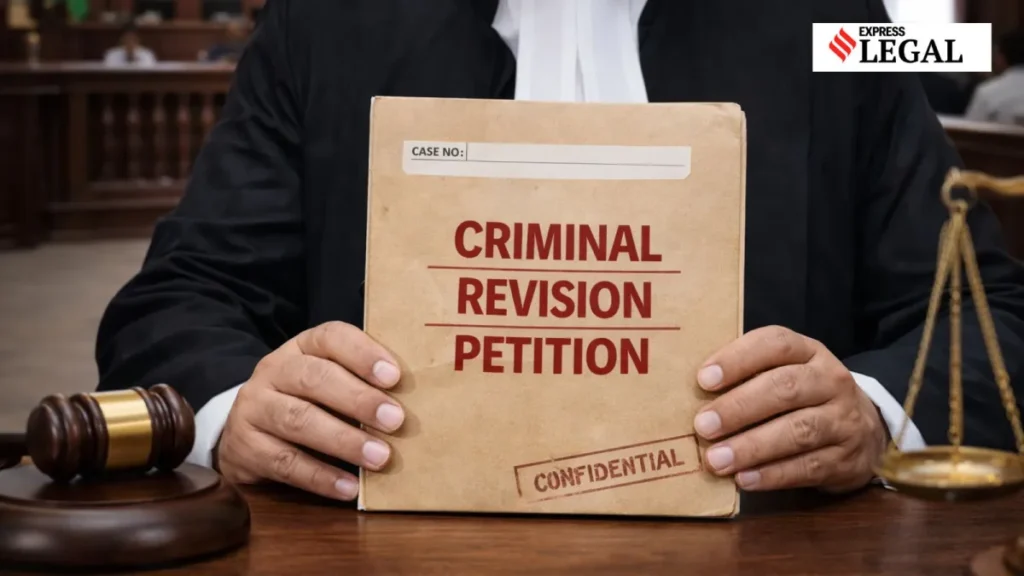
The police arrest documents rebuked after a High Court judge criticized the manner in which authorities prepared records in a criminal case. Justice W. Diengdoh observed that the arrest documents reflected a “total non-application of judicious mind,” raising concerns about procedural compliance. The court’s remarks came during judicial scrutiny of the case records and highlighted the importance of accuracy and fairness in criminal investigations. Meanwhile, the observations have drawn attention to the standards that investigating agencies must maintain while preparing legal documents.
Fake Encounter Allegation Sparks Fresh Debate
Sikkim Launches India’s First Himalayan Specialty Coffee Impact District in North Sikkim
Court Examines Arrest Records
The police arrest documents rebuked during court proceedings after Justice W. Diengdoh closely examined the material submitted by investigators. Consequently, the court found shortcomings in the preparation of the arrest records and expressed concern over the manner in which officials handled the documentation.
Meanwhile, the judge stressed that investigating officers must exercise proper judgment while preparing legal records. The court also emphasized that every procedural document should accurately reflect the facts and comply with established legal requirements. Furthermore, the observations underscored the judiciary’s role in reviewing investigative procedures.
The court clarified its concerns while examining the records placed before it during the proceedings.
Justice Highlights Need for Due Process
The police arrest documents rebuked after the court stated that law enforcement agencies must follow proper legal procedures at every stage of an investigation. Judges expect investigators to prepare arrest records with care because such documents form an important part of judicial review.
Meanwhile, legal experts noted that courts routinely examine procedural compliance before addressing other legal issues. They also explained that accurate documentation strengthens transparency and protects the rights of all parties involved. In addition, careful recordkeeping helps courts assess the legality of investigative actions.
Officials continue to emphasize that adherence to due process remains essential for maintaining confidence in the criminal justice system.
Judicial Observations Draw Attention
The police arrest documents rebuked have generated discussion within legal circles because judicial observations often influence future investigative practices. As a result, the case has renewed focus on professional standards expected from investigating agencies.
Meanwhile, legal practitioners pointed out that courts frequently review official records to identify procedural deficiencies whenever necessary. Authorities may also use such observations to strengthen training and improve documentation practices across law enforcement agencies.
Furthermore, judicial scrutiny encourages greater accountability and reinforces compliance with established legal procedures.
Importance of Accurate Documentation
The police arrest documents rebuked highlight the importance of preparing legally sound and carefully reviewed records during criminal investigations. Proper documentation supports fair judicial proceedings and helps courts evaluate investigative actions objectively. Therefore, investigating agencies must ensure that every official record meets the required legal standards.
Moreover, legal experts believe continuous training, stronger supervision, and regular procedural reviews can improve investigative practices. Authorities also continue promoting professional standards to strengthen public confidence in the justice system.
Conclusion
The police arrest documents rebuked reflect the High Court’s concern over the quality of arrest records presented during judicial proceedings. Justice W. Diengdoh’s observations underscore the need for careful documentation, procedural compliance, and responsible investigative practices. Meanwhile, the case serves as a reminder that courts closely examine official records to ensure fairness, accountability, and adherence to the rule of law throughout the criminal justice process.
FAQs
1. Why did the High Court criticize the arrest documents?
The court found shortcomings in the preparation of the records and questioned the exercise of proper judgment.
2. Who made the observations in the case?
Justice W. Diengdoh made the observations while reviewing the case documents.
3. What are the police arrest documents rebuked?
The police arrest documents rebuked refer to the High Court’s criticism of arrest records that it found lacked proper judicial application during their preparation.
4. Do the observations decide the criminal case?
No. The remarks relate to procedural issues and do not determine the final outcome of the case.
5. Why are accurate arrest records important?
They help courts review investigative actions and ensure compliance with legal procedures.
6. What lesson does the ruling highlight?
It emphasizes careful documentation, accountability, and adherence to due process during investigations.