


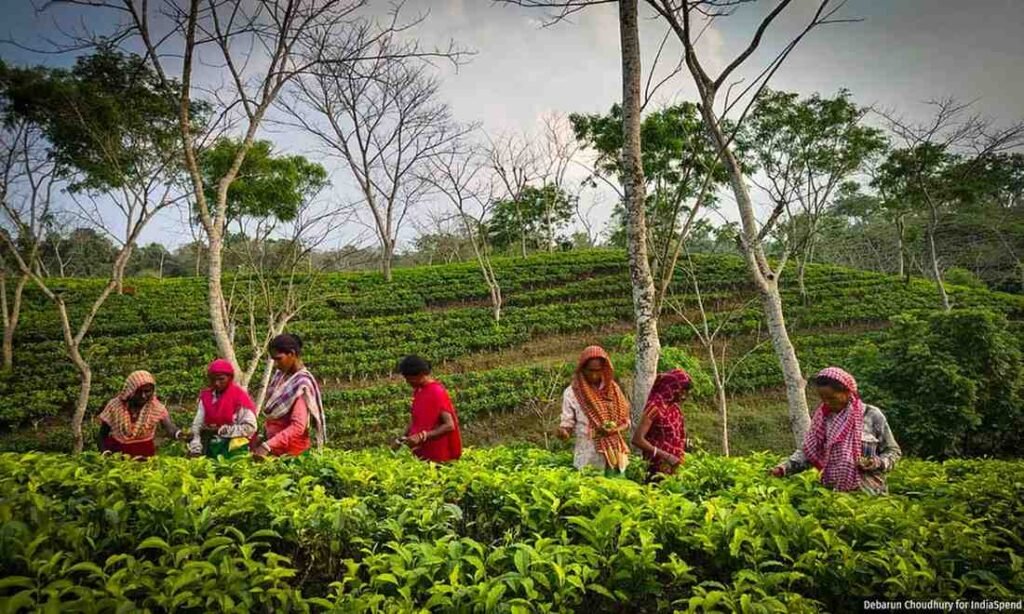
A growing chorus of discontent is echoing through Assam’s Powai Tea Estate.
Workers have expressed frustration over the continued operation of an adhoc committee under the Assam Chah Mazdoor Sangha (ACMS) Powai Primary Committee for over three years. They are demanding the immediate formation of a full-fledged union committee to represent their interests more effectively.
Discontent Mounts in Margherita Co-District
Located in the Margherita sub-division of Tinsukia district, the Powai Tea Estate is one of the region’s major employers. The ACMS, the state’s largest tea garden workers’ union, has faced criticism for allowing an adhoc body to manage the estate’s workers’ issues for such a prolonged period.
The absence of an elected committee, workers claim, has led to a lack of accountability, delays in addressing grievances, and stalled welfare initiatives.
Workers Allege Mismanagement and Injustice
Many workers claim that the adhoc committee has failed to raise their issues before the management effectively. They argue that daily grievances, including medical benefits, housing repairs, wage negotiations, and access to clean drinking water, have been ignored or poorly handled.
“The adhoc committee has no power, no initiative, and no connection with us. We feel abandoned,” said a senior worker on condition of anonymity.
Several female workers echoed similar concerns, alleging that there is no proper redressal mechanism in place under the current setup.
They also complained that essential welfare schemes under the Plantation Labour Act are not being properly implemented.
Calls Grow for Immediate Elections
The aggrieved workers are now demanding that ACMS headquarters in Dibrugarh immediately dissolve the adhoc body and hold elections to form a full committee.
They insist that only an elected and accountable leadership can push for workers’ rights and welfare.
“We need representation that comes from us. Not people who are appointed behind closed doors,” said another tea worker.
The demand for elections is gaining momentum, with reports suggesting that protests or strikes may be launched if ACMS fails to act soon.
Sources indicate that workers from neighboring tea estates are also extending solidarity.
ACMS Yet to Respond Publicly
As of Saturday, the Assam Chah Mazdoor Sangha had not issued a formal response.
Attempts to reach ACMS officials in Margherita and Dibrugarh remained unsuccessful.
Local sources say that internal discussions are underway within ACMS on how to resolve the Powai issue before it spirals into a larger agitation.
The ACMS has historically played a key role in championing the rights of tea workers in Assam. However, recent criticism about lack of engagement and transparency may harm its credibility.
Political and Social Implications
Tea garden workers form a critical voter base in Upper Assam.
Their growing dissatisfaction could have political consequences, especially ahead of local body elections.
Political observers believe that unresolved union issues like those in Powai may become talking points for opposition parties.
The matter has also drawn the attention of local civil society groups, who are urging ACMS to restore democratic functioning at the estate level.
Growing Need for Reforms in Tea Sector Unionism
Experts note that prolonged reliance on adhoc committees in many tea estates reflects deeper structural issues in union governance across Assam.
“Union democracy must be strengthened to rebuild trust among workers,” said a labor rights activist from Dibrugarh.
Regular elections, financial transparency, and increased grassroots engagement are essential to restoring confidence.
What Lies Ahead
With growing unrest and no clear action from ACMS yet, the coming weeks could be decisive.
If the union leadership continues to remain silent, the agitation may escalate, affecting operations at the Powai Tea Estate.
The workers remain firm in their demand — replace the adhoc committee and restore elected representation.
Click here for further updates: Baksa Cyber Crime: Two Youths Arrested