


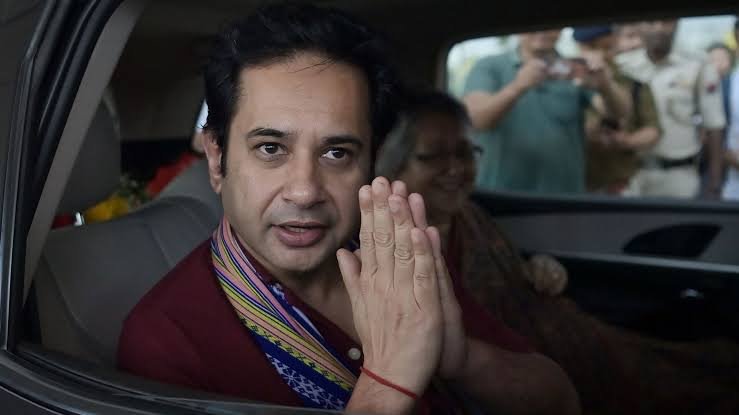
The Pradyot Debbarma Political Exit signal has created fresh discussion in Tripura after Tipra Motha Party supremo Pradyot Kishore Debbarma spoke about stepping away from active politics. During an approximately 45-minute social media livestream, Debbarma described himself as tired of politics and said he wanted to lead a simpler and quieter life. However, he linked any final political withdrawal to the safeguarding of indigenous rights. The remarks come as Tripura prepares for Village Committee elections and discussions continue over implementation of the Tiprasa-related agreement.
Tripura House Voter Verification Set for September 15 to October 14, 2026
Pradyot Debbarma Political Exit Signals Major Shift
The Pradyot Debbarma Political Exit discussion has gained attention in Tripura after the Tipra Motha leader spoke about stepping back from active politics. Debbarma made the remarks during a social media livestream on Sunday. He said he was considering a quieter life instead of continuing to lead from the front. However, he linked any political withdrawal to the protection of indigenous rights.
Debbarma stressed that constitutional safeguards for Tripura’s indigenous population remain his main priority. Therefore, his remarks do not amount to an immediate resignation. Instead, they suggest that he could reduce his political role after achieving adequate protection for the rights he has championed.
Pradyot Debbarma Political Exit Linked to Indigenous Rights
Debbarma has repeatedly placed indigenous rights at the centre of his political position. In particular, he has highlighted land rights and constitutional safeguards for indigenous communities.
Moreover, he recently said that any political alliance for the Village Committee elections would need written assurances on land rights. He specifically referred to indigenous people living in Sixth Schedule areas.
During the livestream, Debbarma again connected his political future with these concerns. He indicated that he could step away once constitutional rights receive adequate protection.
Therefore, the latest comments fit a wider political position that he has maintained for some time. Debbarma has often argued that political power should serve the interests of indigenous communities.
His possible withdrawal could also create questions about Tipra Motha’s future. The party has built much of its political identity around indigenous rights and regional interests.
Consequently, any reduction in Debbarma’s political role could affect the party’s leadership structure. It could also influence its approach to negotiations with larger political parties.
Centre, Tripura Government and Tipra Motha Hold Talks
The latest remarks come after renewed discussions between the Centre, the Tripura government and Tipra Motha leadership.
A recent meeting in New Delhi brought Union Home Minister Amit Shah, Tripura Chief Minister Manik Saha and Debbarma together. The discussions covered indigenous concerns and the implementation of the agreement related to those issues.
Furthermore, the meeting took place as political parties prepared for the upcoming Village Committee elections.
Debbarma has continued to stress that implementation matters more than political positions. Following the Delhi meeting, he highlighted land rights and financial autonomy for the Tripura Tribal Areas Autonomous District Council.
Meanwhile, the agreement remains an important issue for Tipra Motha and its supporters. The party wants concrete progress on commitments concerning indigenous communities.
Therefore, the coming weeks could become important for both the agreement and Debbarma’s political future.
If the government makes visible progress on the commitments, Debbarma may decide that his political objectives have moved closer to completion. However, if major issues remain unresolved, his role could continue to attract attention.
Village Committee Elections Add to Political Pressure
Tripura’s upcoming Village Committee elections provide another important context for Debbarma’s remarks.
The state will hold elections to 587 Village Committees on September 28, 2026. Therefore, political parties now face a crucial period of campaigning, negotiations and alliance discussions.
Tipra Motha remains an important player in these developments. Debbarma has already indicated that any electoral arrangement must address indigenous land rights.
Moreover, discussions between the BJP, the Tripura government and Tipra Motha could shape the political environment before polling.
The timing also makes Debbarma’s latest statement significant. A possible leadership change could affect Tipra Motha’s election strategy.
At the same time, the party must balance electoral considerations with its long-standing demands. Indigenous land rights, constitutional safeguards and greater financial autonomy remain major issues for its leadership.
Consequently, Debbarma’s decision could influence how the party approaches the Village Committee elections.
For now, however, he has not announced an immediate resignation. His comments suggest a possible future withdrawal rather than a sudden departure from political activity.
What Pradyot Debbarma Political Exit Could Mean
If Debbarma eventually leaves active politics, Tipra Motha could enter a major transition.
Debbarma has played a central role in developing the party’s political identity. He has also remained one of its most prominent voices on indigenous rights.
Therefore, his reduced involvement could lead to questions about future leadership. The party may need to strengthen its organisational structure and establish a clear political direction.
Moreover, Tipra Motha would need to decide how it handles negotiations with the Centre and the Tripura government.
The implementation of the agreement could become especially important during this transition. If the party sees progress on its key demands, it may continue with a more institutional approach.
However, unresolved issues could keep Debbarma’s political involvement relevant.
The September 28 Village Committee elections will also provide an important test. The party’s performance could influence its future strategy and leadership discussions.
Additionally, Debbarma’s supporters will closely watch developments on indigenous rights. His latest remarks suggest that he does not intend to abandon those issues.
Instead, he appears to view their protection as a key condition for stepping away from active politics.
For now, the Pradyot Debbarma Political Exit remains a political possibility rather than a confirmed resignation. His next statements and the progress of the agreement will likely determine what happens next.
Conclusion
The Pradyot Debbarma Political Exit signal has created fresh discussion in Tripura. Debbarma has indicated that he may step back from active politics and pursue a quieter life. However, he has linked that decision to constitutional protection for indigenous rights.
Moreover, his remarks come at a crucial time. The Centre, Tripura government and Tipra Motha continue to discuss the implementation of the agreement. Meanwhile, the September 28 Village Committee elections are approaching.
Therefore, developments on indigenous rights, land protection and the agreement could play a major role in determining Debbarma’s political future.
FAQs
1. Has Pradyot Debbarma officially resigned from politics?
No. Debbarma has discussed stepping away from active politics, but he has not announced an immediate resignation.
2. Why is Pradyot Debbarma considering leaving active politics?
Debbarma has said that he feels tired of politics and wants a quieter life. He has also connected his possible withdrawal with the protection of indigenous rights.
3. What issue remains central to Debbarma’s political position?
Indigenous rights remain central to his position. He has particularly highlighted constitutional safeguards and land rights.
4. How could his possible exit affect Tipra Motha?
A future withdrawal could create questions about party leadership, organisational direction and political strategy.
5. Why are the upcoming Village Committee elections important?
The elections to 587 Village Committees are scheduled for September 28, 2026. The timing makes Debbarma’s remarks important for Tipra Motha’s electoral strategy.