


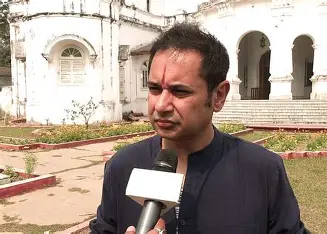
The Anjel Chakma murder case has ignited outrage across India. Tipra Motha chief Pradyot Kishore Manikya Debbarma strongly criticized the Uttarakhand government for announcing a reward of just Rs 25,000 for information about the prime accused. His emotional question — “Is this the value of a life?” — has struck a chord nationwide, sparking debate about justice, racism, and equality.
Background of the Anjel Chakma Murder Case
On December 9, 2025, 24‑year‑old Anjel (Angel) Chakma, an MBA student from Tripura, faced a brutal attack in Dehradun’s Selaqui area. Attackers hurled racial slurs like “Chinese” and “momo” before stabbing him with knives and hitting him with brass knuckles. Although doctors tried to save him, Anjel died on December 26.
The Anjel Chakma murder case quickly drew national attention because it highlighted racial prejudice against Northeastern citizens. Police arrested five suspects, yet the prime accused remains on the run.
Uttarakhand Govt’s Reward Sparks Anger
The Uttarakhand government announced a Rs 25,000 reward for information leading to the arrest of the absconding accused. However, critics argued that the amount trivialized the seriousness of the crime.
Pradyot Manikya Debbarma condemned the announcement, asking: “Is this the price for arresting the mastermind in the killing of Anjel Chakma, a final year MBA student?” His statement underscored the frustration felt by Northeastern communities.
Pradyot’s Rs 10 Lakh Reward in the Anjel Chakma Murder Case
To emphasize the gravity of the crime, Pradyot offered a Rs 10 lakh reward from his party for information that leads to the arrest of the prime accused. This move not only highlighted the inadequacy of the government’s response but also demonstrated solidarity with Anjel’s family and community.
Political and Social Reactions
The Anjel Chakma murder case triggered widespread condemnation:
- Shashi Tharoor called the killing a “national disgrace”, stressing that it reflects systemic prejudice.
- The Tripura Tribal Areas Autonomous District Council (TTAADC) announced Rs 3 lakh compensation for Anjel’s family.
- Student groups organized protests, demanding stronger laws against racial crimes.
Moreover, social media campaigns under hashtags like #JusticeForAnjel amplified calls for accountability.
Why the Reward Debate Matters
The contrast between the Uttarakhand government’s Rs 25,000 reward and Tipra Motha’s Rs 10 lakh reward has fueled debate about how authorities value lives in racially motivated crimes. For many, the government’s announcement symbolizes neglect and insensitivity.
The Anjel Chakma murder case is not just about one student. It represents the broader struggle against racism and the demand for equal protection under the law.
Justice Demands in the Anjel Chakma Murder Case
Activists insist that justice must extend beyond arrests. They demand:
- Stricter hate crime laws to deter racial violence.
- National anti‑racism policies to protect marginalized communities.
- Awareness campaigns in schools and universities to foster inclusivity.
- Fair compensation for victims’ families.
These measures, they argue, are essential to prevent future tragedies.
The Anjel Chakma murder case demands urgent action. Citizens, policymakers, and institutions must work together:
- Governments should treat racially motivated crimes with seriousness and sensitivity.
- Communities must challenge stereotypes and foster inclusivity.
- Lawmakers should strengthen legal frameworks to prevent similar tragedies.
India cannot afford to dismiss the Anjel Chakma murder case as just another crime. It is a test of the nation’s conscience and its commitment to equality.
READ MORE: African Swine Fever in Tripura: Epicenter Declared
The Anjel Chakma murder case is more than a tragedy — it is a wake‑up call. Pradyot’s sharp criticism of the Uttarakhand government’s Rs 25,000 reward has reignited the debate about justice and equality. His Rs 10 lakh reward offer underscores the seriousness of the crime and the need for urgent action.
India must rise above prejudice, reaffirm the value of every life, and ensure that such a national disgrace never repeats itself.