



Ischemic heart disease, also referred to as coronary artery disease (CAD), is a prevalent condition impacting the blood flow to the heart. Globally, it stands as the primary cause of mortality, contributing to an estimated 17.9 million deaths in 2019.
Causes and Risk Factors


The primary cause of ischemic heart disease is atherosclerosis, characterized by the accumulation of plaque within the arteries that supply blood to the heart. This plaque buildup narrows the arteries, leading to reduced blood flow to the heart muscle. Several risk factors contribute to this condition, including:
- High blood pressure
- High cholesterol levels
- Smoking
- Diabetes
- Obesity
- Physical inactivity
- Family history of heart disease
Symptoms

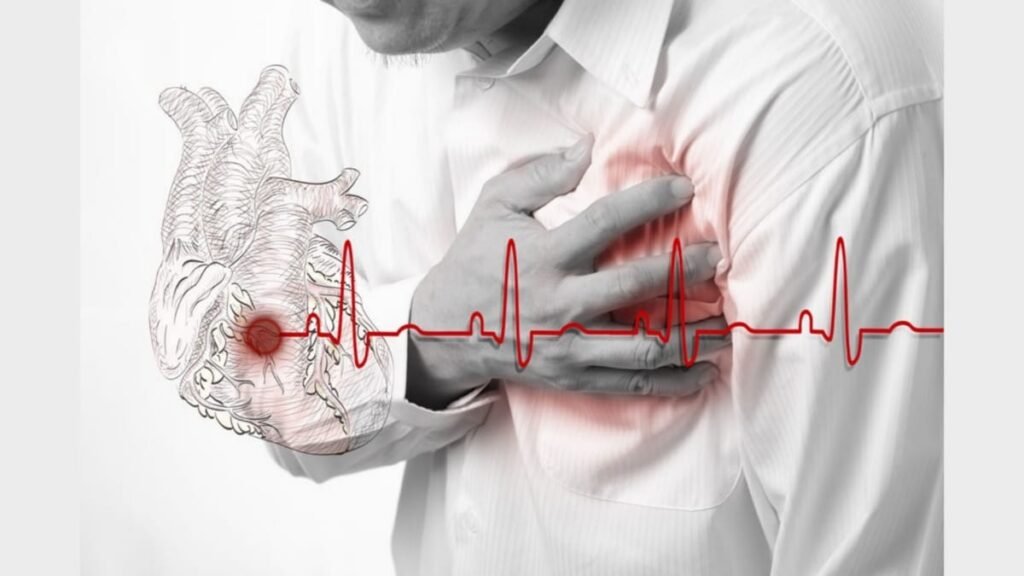
The hallmark symptom of ischemic heart disease is angina pectoris, characterized by chest pain or discomfort when the heart muscle does not receive adequate blood flow. Additional symptoms may include:
- Shortness of breath
- Fatigue
- Dizziness
- Palpitations
- Swelling in the feet or ankles
Treatment Options
The treatment approach for ischemic heart disease varies based on the severity of the condition and individual symptoms. Lifestyle modifications play a crucial role in managing this disease. Adopting a healthy diet, engaging in regular physical activity, and quitting smoking can significantly reduce the risk of complications. Medications may be prescribed to control blood pressure, cholesterol levels, and other risk factors. In more severe cases, medical procedures such as angioplasty, stenting, or bypass surgery may be necessary to restore blood flow to the heart.
Prevention Strategies
Preventing ischemic heart disease involves proactive measures to minimize risk factors. Key preventive strategies include:
- Healthy Diet: Consuming a diet low in saturated fat, cholesterol, and trans fat while incorporating plenty of fruits, vegetables, and whole grains.
- Regular Exercise: Engaging in moderate-intensity exercise for at least 30 minutes on most days of the week.
- Maintaining a Healthy Weight: Achieving and maintaining a healthy body weight through balanced nutrition and physical activity.
- Smoking Cessation: Quitting smoking to reduce the risk of cardiovascular disease.
- Stress Management: Employing stress-reducing techniques such as meditation, yoga, or deep breathing exercises.
- Regular Checkups: Scheduling routine checkups with a healthcare provider to monitor heart health and address any emerging concerns.
By adopting these preventive measures and maintaining a healthy lifestyle, individuals can significantly reduce their risk of developing ischemic heart disease.