


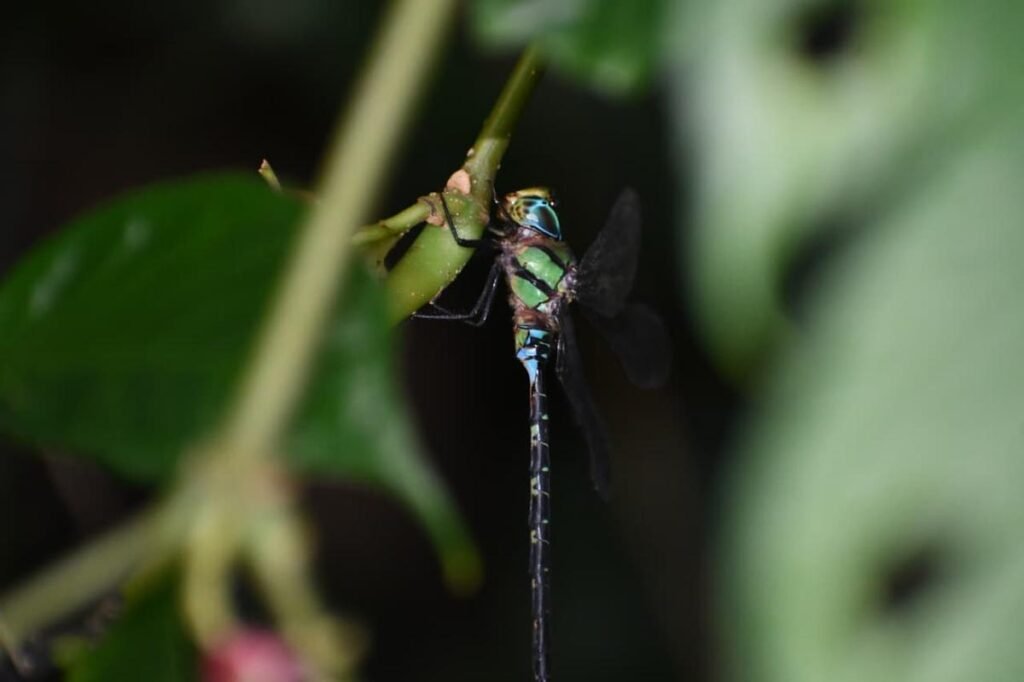
The Namdapha rare dragonfly rediscovery has drawn scientific attention after citizen scientists at Namdapha National Park in Arunachal Pradesh documented the reappearance of Gynacantha khasiaca, commonly known as the long-tailed duskhawker. The species had not been officially recorded in India for nearly 110 years, making this sighting a significant milestone in biodiversity research. Researchers and wildlife experts confirmed that the observation highlights the ecological richness of the Eastern Himalayas and underscores the importance of community-driven conservation efforts in documenting rare species.
Agartala Achieves Full Municipal Water Coverage
Tripura Sundari Temple Redevelopment Inauguration Visit
Citizen Scientists Record Historic Sighting
Citizen scientists working in Namdapha National Park identified the rare dragonfly during a biodiversity survey in the forested region. The Namdapha rare dragonfly rediscovery became a landmark event after experts verified the species as Gynacantha khasiaca, a dragonfly previously considered absent from India for over a century.
Observers reported that the sighting occurred in a densely forested wetland habitat, which supports a wide range of insect biodiversity. Researchers carefully documented the species through photographic evidence and field verification before confirming its identity with entomology experts.
Wildlife researchers stated that such rediscoveries often occur in remote and underexplored ecosystems where scientific documentation remains limited. The involvement of citizen scientists also played a key role in expanding field research capacity in protected areas like Namdapha.
Significance For Biodiversity Research
The Namdapha rare dragonfly rediscovery has been described by experts as an important contribution to entomological research in India. Scientists believe that the reappearance of Gynacantha khasiaca highlights the hidden biodiversity present in the Eastern Himalayan region.
Biologists explained that dragonflies serve as important ecological indicators because they reflect the health of freshwater ecosystems. The presence of rare or previously unrecorded species often suggests relatively undisturbed environmental conditions.
Researchers noted that Namdapha National Park is already known for its high biological diversity, including rare mammals, birds, and insect species. The latest discovery further strengthens its status as a critical conservation hotspot in India.
Experts also stated that rediscoveries like this can help improve scientific understanding of species distribution, habitat requirements, and ecological resilience.
Role Of Citizen Science In Discovery
The rediscovery was made possible through the efforts of citizen scientists participating in field surveys within Namdapha National Park. The Namdapha rare dragonfly rediscovery highlights the growing importance of public participation in biodiversity documentation and wildlife monitoring.
Conservation researchers stated that citizen science initiatives allow trained volunteers and nature enthusiasts to contribute valuable data to scientific studies. In remote regions, such contributions often help bridge gaps in formal research coverage.
Experts added that modern tools such as digital photography, mobile applications, and online biodiversity databases have significantly improved species identification and verification processes.
Wildlife authorities encouraged continued participation from citizen scientists while emphasizing the importance of proper training and ethical field observation practices.
Ecological Importance Of Namdapha
Namdapha National Park, located in Arunachal Pradesh, is one of India’s most ecologically diverse protected areas. The Namdapha rare dragonfly rediscovery adds to the park’s reputation as a biodiversity-rich landscape supporting unique flora and fauna.
Ecologists explained that the park’s varied terrain, ranging from lowland forests to alpine regions, creates multiple ecological niches that support rare and endemic species. Its river systems, wetlands, and forest ecosystems provide ideal habitats for dragonflies and other insect species.
Conservation experts noted that protecting such ecosystems is essential for maintaining ecological balance and ensuring the survival of lesser-known species. They also stressed the need for continued scientific surveys to document undiscovered or poorly understood organisms in the region.
Conservation And Future Research
Scientists believe that the rediscovery of Gynacantha khasiaca could encourage further research into insect biodiversity in northeastern India. The Namdapha rare dragonfly rediscovery has prompted calls for expanded surveys and long-term ecological monitoring in the Eastern Himalayas.
Researchers stated that many insect species in the region remain under-documented due to challenging terrain and limited field studies. Increased collaboration between researchers, conservation groups, and citizen scientists may help fill these knowledge gaps.
Environmental experts also highlighted the importance of preserving natural habitats from deforestation, climate change, and human disturbance. They warned that even rare rediscovered species could face threats if ecosystems are not properly protected.
Authorities and conservationists are expected to continue monitoring the region while encouraging scientific exploration of its rich biodiversity.
Conclusion
The rediscovery of the long-tailed duskhawker in Namdapha National Park marks a remarkable milestone for Indian biodiversity research. The Namdapha rare dragonfly rediscovery not only revives interest in a species unseen for over a century but also underscores the value of citizen science and habitat conservation. As researchers continue to study the Eastern Himalayas, the finding reinforces the importance of protecting India’s rich and fragile ecological landscapes.
FAQs
What was rediscovered in Namdapha National Park?
The rare dragonfly Gynacantha khasiaca, also known as the long-tailed duskhawker, was rediscovered.
Why is the Namdapha rare dragonfly rediscovery important?
It marks the first confirmed sighting of the species in India in nearly 110 years.
Who made the discovery?
Citizen scientists conducting biodiversity surveys in Namdapha National Park recorded the sighting.
What does the discovery indicate about Namdapha?
It highlights the park’s high biodiversity and ecological significance.
Why are dragonflies important in ecology?
Dragonflies act as indicators of healthy freshwater ecosystems.
What is the scientific value of this finding?
It helps improve understanding of species distribution and ecological diversity in the region.