


Manipur is facing a deepening mental health crisis as cases of depression, anxiety, and insomnia continue to rise. The prolonged ethnic conflict, frequent violence, and economic instability have left thousands of people struggling with severe emotional distress. Health experts and NGOs have raised concerns about the growing number of individuals seeking psychological help, warning that the situation requires urgent intervention.
According to reports from local hospitals and mental health professionals, the number of people exhibiting symptoms of stress-related disorders has doubled in the past year. Many residents say they are unable to sleep properly or focus on their daily activities due to recurring fear and trauma.
Read More: Mizoram Government Warns Against NH-306 Blockade
Conflict’s Psychological Toll
The ongoing ethnic conflict has had devastating effects on Manipur’s population. Frequent incidents of violence, displacement, and uncertainty have taken a toll on mental well-being. Many families are still living in relief camps after being forced to flee their homes. For them, anxiety and depression have become part of daily life.
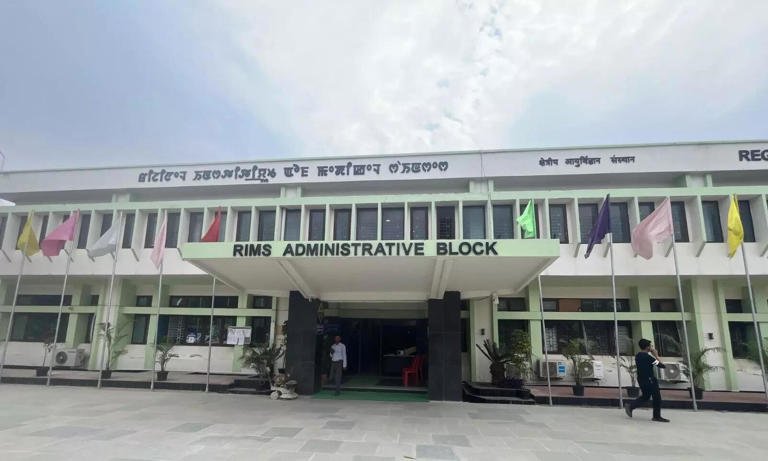
Psychiatrists from the Regional Institute of Medical Sciences (RIMS) in Imphal revealed that more than 60% of their new patients show symptoms linked to post-traumatic stress disorder. Prolonged exposure to violence, loss of livelihoods, and the lack of stability have created a constant state of psychological distress.
Health professionals have also noted an increase in substance abuse cases, as people turn to drugs or alcohol to cope with emotional pain. These patterns indicate that the mental health crisis in Manipur is no longer isolated but a widespread problem affecting all sections of society.
Lack of Access to Mental Health Services
One of the major challenges in addressing the Manipur mental health crisis is the shortage of mental health infrastructure. The state has very few psychiatrists and trained counsellors to handle the increasing number of cases. Many rural areas still lack even basic counselling facilities.
Experts say that mental health remains a neglected area within the state’s healthcare system. While physical injuries receive immediate attention, emotional and psychological wounds often go unnoticed. The stigma attached to mental illness further discourages people from seeking help.
Dr. R.K. Sanjay, a psychiatrist based in Imphal, said that the demand for counselling services has increased sharply, but the number of trained professionals is inadequate. “People are suffering silently. We need more community-level programmes to reach those who can’t access hospitals,” he said.
Youth and Students Affected
The younger population in Manipur has been among the worst affected by the current mental health situation. Many students report difficulty concentrating on studies or attending school due to constant stress. With frequent internet shutdowns and academic disruptions, the sense of uncertainty has only deepened.
Teachers have observed a rise in behavioural changes among students, including irritability, withdrawal, and loss of interest in learning. College students, especially those preparing for competitive exams, have also expressed feelings of hopelessness and fatigue.
A recent survey by a student union revealed that nearly 45% of young respondents have experienced anxiety or depression in the past six months. Experts warn that if the situation persists, it could have long-term consequences on education, productivity, and the emotional development of an entire generation.
The Role of Insomnia
Insomnia has become one of the most common symptoms reported by residents across the state. Many people complain of sleepless nights due to constant fear and insecurity. According to doctors, lack of proper sleep has worsened other psychological conditions such as depression, irritability, and cognitive decline.
Health experts explain that when individuals experience prolonged trauma, the brain’s stress system remains activated, preventing deep rest. This cycle of sleeplessness and anxiety makes recovery even more difficult. As a result, people are left trapped in a pattern of emotional exhaustion.
Doctors have started prescribing mild medication and therapy for severe cases, but they emphasise that a peaceful environment is essential for full recovery. They believe that stability, routine, and social support play a much larger role in healing than medicine alone.
Government and NGO Initiatives
The Manipur government has acknowledged the growing crisis and started taking steps to expand mental health services. Health officials have launched awareness drives across districts to educate people about mental well-being and the importance of seeking help early.
Mobile counselling units have been introduced in some areas to reach people living in conflict-affected zones. These units provide psychological first aid and connect patients with specialists through telemedicine services. However, experts say these measures are still insufficient compared to the scale of the problem.
Several non-governmental organisations are also playing an active role. NGOs such as the Centre for Community Mental Health and local women’s groups have set up counselling camps and peer support sessions. Volunteers are trained to identify symptoms of trauma and guide individuals toward professional help.
Need for Community Support
Mental health professionals believe that community involvement is essential for long-term improvement. Families, schools, and local organisations can play a vital role by offering emotional support and reducing the stigma associated with mental illness. Encouraging open conversations about stress and depression can help people feel less isolated.
Churches, community centres, and student groups in Manipur have already started organising workshops and discussion circles. These sessions help individuals share their experiences and find strength in collective healing. Such grassroots efforts have shown promising results in building resilience and restoring hope.
The Way Forward
Experts suggest that the Manipur government should integrate mental health into all areas of policy, including education, employment, and social welfare. Regular counselling in schools, trauma-care training for health workers, and community-based programmes could help reduce the long-term effects of the crisis.
They also emphasise the importance of peacebuilding as the foundation for recovery. Only when violence subsides can people begin to heal emotionally and rebuild their lives. Health professionals urge authorities to prioritise both immediate care and sustainable support systems to prevent a generational mental health disaster.
The Manipur mental health crisis serves as a reminder that emotional recovery is as vital as physical safety. Addressing depression, insomnia, and trauma must become a collective responsibility involving government, communities, and individuals alike. By investing in mental well-being, Manipur can move toward healing, resilience, and lasting peace.
Read More: Mamata Orders Quick Repair of Flood-Damaged Schools in North Bengal