


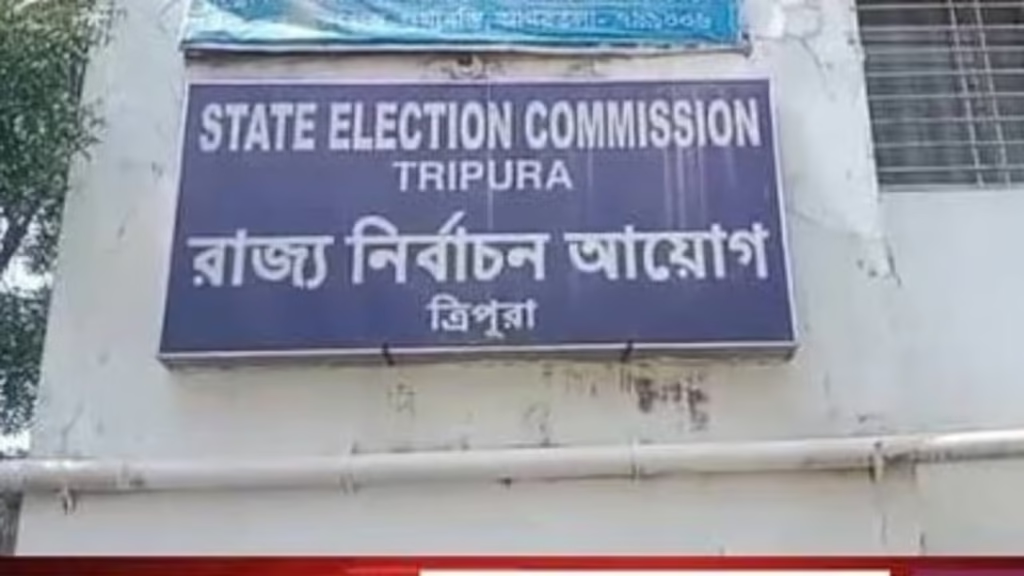
The Tripura State Election Commission has confirmed a total of 345 seats across 20 urban local bodies for the upcoming civic elections. The seat distribution also includes a substantial reservation for women, highlighting their representation in local governance. The announcement provides an important overview of the electoral structure across the state’s urban areas. Moreover, the reservation framework will shape candidate selection as political parties prepare their nominations. The confirmed figures have brought greater clarity to the scale of the upcoming municipal contest.
Assam: Five Workers Injured, One Missing After Explosion at Oil India Tank Farm
SEC Confirms 345 Seats Across 20 Urban Bodies
The State Election Commission has confirmed 345 seats across 20 urban local bodies in Tripura. These seats will form the basis of the upcoming civic election process.
The announcement covers the urban local government structure across the state. Furthermore, it provides political parties with a clearer picture of the constituencies involved in the election.
The total includes seats across different municipal and urban civic bodies. Each local body plays an important role in delivering essential services to residents.
The confirmed distribution will also guide parties as they finalise candidates. Consequently, political organisations must consider the available seats and applicable reservation rules during their preparations.
Major Share of Seats Reserved for Women
A significant share of the 345 seats carries reservation for women. This arrangement aims to strengthen women’s representation in elected urban local bodies.
Women councillors can participate directly in decisions concerning municipal administration and local development. Their responsibilities may include addressing issues involving sanitation, drinking water, drainage, roads, and public facilities.
Moreover, reservation creates opportunities for women to enter local political leadership. It also supports broader participation in democratic institutions.
The reservation framework will influence candidate selection across the urban bodies. Therefore, political parties must carefully examine the ward-wise allocation before announcing their nominees.
Reservation Rules Shape Candidate Selection
Seat reservations play an important role in determining which candidates can contest particular wards. Political parties must follow the official category assigned to each constituency.
The SEC’s confirmed seat distribution will therefore influence nomination strategies. In addition, parties will need to coordinate with local leaders while selecting candidates for reserved and unreserved seats.
The process may also encourage political organisations to identify more women candidates. However, the final candidate lists will depend on the applicable reservation categories and election procedures.
Clear information about ward-wise reservations remains important for candidates and voters. It helps residents understand the structure of representation in their respective urban areas.
Urban Local Bodies Prepare for Civic Elections
The 20 urban local bodies covered by the announcement will play a central role in the upcoming elections. Their elected representatives will oversee important civic responsibilities.
These responsibilities include waste management, street lighting, road maintenance, drainage, and drinking water services. Therefore, municipal elections directly affect the everyday lives of urban residents.
Furthermore, the distribution of 345 seats creates opportunities for political parties to compete across multiple local bodies. Each party will need to assess local issues and prepare suitable candidates.
The reservation structure will remain another important factor in these preparations. Consequently, candidate announcements may reflect both political considerations and statutory requirements.
Women’s Representation Gains Attention
The substantial reservation for women has placed female representation at the centre of the civic election discussion. It also highlights the role of women in local decision-making.
Reserved seats provide women with opportunities to participate in municipal governance. Moreover, elected representatives can raise concerns affecting their communities and contribute to local policy discussions.
However, reservation alone does not determine the quality of representation. Effective participation also depends on candidates’ involvement, public engagement, and access to decision-making processes.
Voters will therefore have an important role in evaluating candidates across the reserved wards. Their choices will shape the composition of the next urban local bodies.
Conclusion
The State Election Commission has confirmed 345 seats across 20 urban local bodies in Tripura. A major share of these seats will remain reserved for women under the applicable rules. The announcement provides clarity on the scale of the civic elections and the structure of representation. Meanwhile, political parties must consider the reservation framework while finalising their candidates. The upcoming polls will determine the composition of elected urban bodies across the state.
FAQs
How many seats has the SEC confirmed?
The State Election Commission has confirmed a total of 345 seats.
How many urban local bodies are covered?
The confirmed seat distribution covers 20 urban local bodies across Tripura.
Are seats reserved for women?
Yes. A substantial share of the seats carries reservation for women.
Why is women’s reservation important?
It creates opportunities for women to participate in elected municipal leadership and local decision-making.
How will reservation affect candidate selection?
Political parties must select candidates according to the reservation category assigned to each ward.
Which issues do urban local bodies handle?
They oversee services such as sanitation, drainage, drinking water, waste management, street lighting, and road maintenance.