


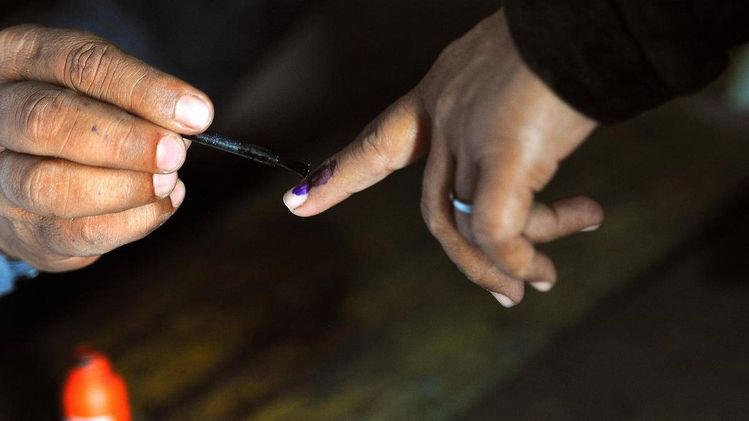
In the run-up to the upcoming panchayat elections in Assam, the administration of Kamrup district has imposed a series of restrictions under Section 163 of the Bharatiya Nyaya Sanhita (BNSS). The move aims to ensure a peaceful and orderly electoral process across rural areas, where polling is expected to witness active political engagement and large voter turnout.
These preventive measures, announced by the district magistrate, are part of a wider law-and-order strategy to curb the risk of political violence, hate speech, unlawful gatherings, and the circulation of misinformation during the sensitive pre-election period.
Understanding Section 163 of BNSS
Section 163 of the Bharatiya Nyaya Sanhita, which has replaced the older provisions of the Indian Penal Code, allows the district administration to take precautionary action in situations that threaten public tranquility. The section grants the district magistrate the authority to issue orders to prohibit certain activities that may incite tension or lead to unrest.
Read More: Assam’s Fisheries Sector Poised for Major Growth with New Development Initiatives
In the case of Kamrup district, the section is being invoked to manage crowd control, limit provocative actions, and enforce temporary restrictions on public movement, particularly in sensitive polling zones.
What Restrictions Are Being Imposed?
According to the official notification, the following restrictions are now in effect across the Kamrup district:
- Ban on unlawful assembly of five or more persons in designated areas without prior permission.
- Prohibition on carrying firearms, sharp objects, or explosive materials, especially near polling booths and counting centres.
- Restrictions on the use of loudspeakers, particularly after 10 p.m., to control noise pollution and inflammatory speeches.
- Monitoring of social media platforms to prevent the spread of fake news, communal content, and politically charged misinformation.
- Limited vehicular movement near polling stations to avoid crowd congestion and facilitate smooth security checks.
These restrictions will remain in place until the conclusion of the election process or until further orders are issued by the district administration.
Ensuring Free and Fair Elections
The Kamrup district administration has clarified that these steps are not meant to hinder public life but to safeguard the democratic process. In previous panchayat elections, sporadic incidents of clashes, booth capturing attempts, and local-level disruptions were reported in certain pockets of Assam. With the political climate heating up, authorities are taking no chances this time around.
Law enforcement agencies, including the Assam Police and paramilitary forces, have been deployed in vulnerable areas for round-the-clock monitoring. Checkpoints are being set up, and movement in border areas between districts is being scrutinized to prevent the illegal transportation of liquor, cash, or other inducements.
Political Reactions and Public Opinion
While the move has been widely accepted by the general public as necessary for peaceful elections, some political outfits have expressed concerns over possible misuse of the law. A few local party leaders have demanded that the application of Section 163 be neutral and not selectively imposed on opposition gatherings.
However, the administration has assured transparency and fairness, stating that all political rallies, meetings, and campaigns must be conducted within the legal framework and with proper permissions.
Read More: Assam Seeks Japanese Investments as Speaker Nukaga Fukushiro Visits
Voter Awareness and Civic Responsibility
As part of the election preparation, the district administration has also launched awareness drives to encourage voter participation and educate citizens on the Model Code of Conduct. Special attention is being given to first-time voters and rural communities to ensure informed and peaceful voting.
Citizens are being urged to report suspicious activities, avoid forwarding unverified messages on social media, and follow all polling day guidelines. This grassroots-level engagement is seen as a crucial pillar in the success of the Assam panchayat elections 2025.
With restrictions under Section 163 of BNSS now in force, the Kamrup district administration is making clear its intent to conduct the panchayat elections in a safe, fair, and transparent manner. While the enforcement of law and order remains a top priority, the real success of the polls will depend on the cooperation of citizens, political parties, and security personnel. As Assam prepares for a pivotal phase in local governance, all eyes are on Kamrup as a model for peaceful electoral conduct.