


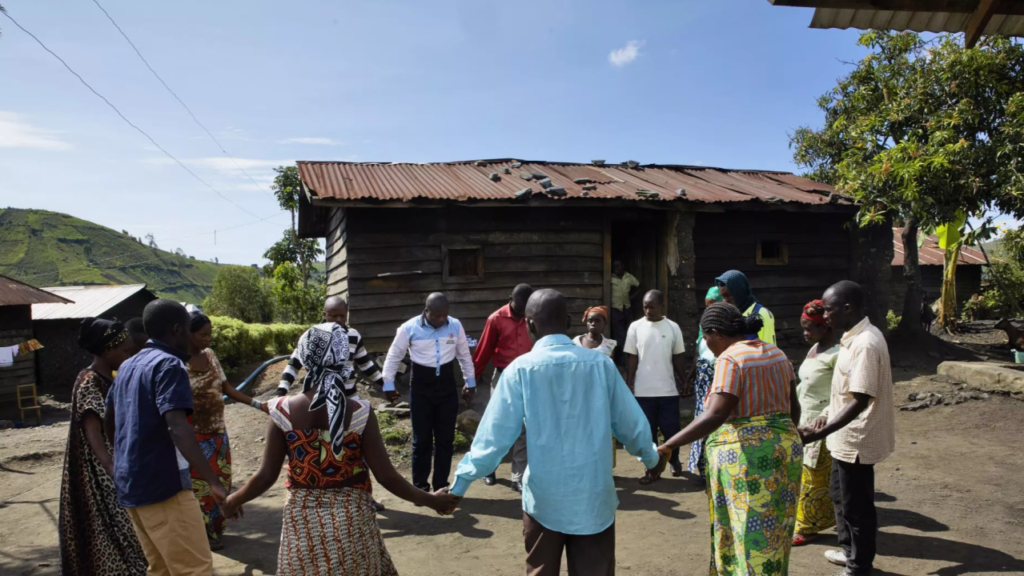
Security forces are consistently collaborating with locals in peace-building and community service programs, reflecting a growing emphasis on trust, cooperation, and long-term stability in the region. Moreover, these initiatives aim to strengthen community relations while maintaining security and development objectives. Consequently, they are helping create a more coordinated approach to peace and public welfare. Meanwhile, officials and community leaders continue to highlight the importance of sustained engagement at the grassroots level.
Tripura Mulls Handing Over Some Government Schools to Private Bodies: CM
North East India Infrastructure Summit: Conrad K. Sangma Inaugurates 2026 Event in Shillong
Security Forces and Locals Strengthen Peace-Building Efforts Together
Security forces collaborating with locals in peace-building initiatives are focusing on improving communication and mutual trust. Moreover, joint activities are helping bridge gaps between enforcement agencies and communities.
Peace-building efforts often depend on strong local participation. Furthermore, community engagement ensures that security measures are more effective and inclusive. As a result, cooperation between security forces and residents is improving overall stability.
The initiative reflects a shift toward people-centric security approaches. Additionally, regular interaction helps reduce misunderstandings and build confidence. Therefore, peace-building programs are becoming more sustainable.
Meanwhile, local leaders are actively supporting coordination efforts. Similarly, community representatives are participating in dialogue and outreach programs. Hence, collaborative peace-building is gaining momentum.
Although challenges may persist in sensitive areas, consistent engagement is helping improve trust. Nevertheless, continued efforts are essential for long-term peace.
Community Service Programs Strengthen Trust and Social Bonds
Security forces collaborating with locals in community service programs are also contributing to stronger social bonds. Moreover, these initiatives go beyond security duties to support welfare and development activities.
Community service programs include health camps, cleanliness drives, and educational support initiatives. Furthermore, such efforts help improve the quality of life in local areas. Consequently, they foster goodwill between security personnel and civilians.
The involvement of security forces in social programs enhances their public image. Additionally, it encourages greater cooperation from local communities. Therefore, these initiatives support both security and development goals.
Meanwhile, residents are increasingly participating in joint activities. Similarly, local institutions are working alongside security agencies. Hence, community service programs are becoming more integrated.
Although coordination requires planning, shared goals make implementation smoother. Nevertheless, sustained participation is necessary for lasting impact.
Peace-Building Initiatives Promote Long-Term Stability in the Region
Security forces consistently collaborating with locals in peace-building and community service programs are contributing to long-term stability. Moreover, such initiatives help address underlying social and communication gaps.
Long-term peace depends on continuous dialogue and engagement. Furthermore, joint programs help prevent misunderstandings and build mutual respect. As a result, communities become more resilient and cooperative.
The initiatives also support conflict prevention and early resolution. Additionally, regular interaction helps identify and address local concerns. Therefore, peace-building becomes more proactive and effective.
Meanwhile, governments continue to emphasize inclusive development as part of security strategies. Similarly, integrated approaches are being adopted across regions. Hence, peace-building is closely linked with development goals.
Although maintaining stability requires ongoing effort, community collaboration strengthens outcomes. Nevertheless, consistent engagement remains essential.
Collaborative Engagement Enhances Governance and Public Confidence
Security forces collaborating with locals in peace-building and community service programs also enhance governance and public confidence. Moreover, these efforts improve transparency and accountability in local interactions.
Public confidence in institutions grows when engagement is consistent and constructive. Furthermore, collaborative programs help build trust between authorities and citizens. Consequently, governance becomes more responsive and inclusive.
The involvement of multiple stakeholders strengthens implementation. Additionally, coordination between security forces, local leaders, and civil society improves outcomes. Therefore, collaborative engagement is key to effective governance.
Meanwhile, awareness programs continue to promote participation. Similarly, feedback mechanisms are being strengthened to address concerns. Hence, governance processes are becoming more participatory.
Although trust-building takes time, steady engagement yields positive results. Nevertheless, sustained commitment is necessary for progress.
Conclusion
Security forces consistently collaborating with locals in peace-building and community service programs highlights a strong commitment to building trust, stability, and inclusive development. Moreover, these initiatives are helping strengthen relationships between communities and security agencies. Consequently, they are contributing to a more peaceful and cooperative environment.
The focus on joint community service also reinforces social cohesion and improves public welfare outcomes. Furthermore, it supports long-term stability through dialogue and engagement. As a result, peace-building efforts are becoming more effective and sustainable.
Looking ahead, security forces collaborating with locals in peace-building and community service programs will continue to play an important role in strengthening regional harmony. Additionally, sustained cooperation and active community participation will be essential. Therefore, these initiatives represent a meaningful step toward lasting peace and stronger governance.
FAQs
1. What are security forces doing with local communities?
Security forces are collaborating with locals in peace-building and community service programs. Moreover, they are promoting trust and cooperation.
2. Why is community participation important in peace-building?
Community participation ensures better communication and effective conflict resolution. Furthermore, it strengthens trust.
3. What types of community service programs are conducted?
Programs include health camps, cleanliness drives, and educational support activities. Additionally, they improve local welfare.
4. How do these initiatives improve governance?
They improve governance by increasing transparency and public trust. Consequently, they make systems more responsive.
5. What is the long-term benefit of such collaboration?
The long-term benefit is improved peace, stability, and stronger community relations. Moreover, it supports sustainable development.