


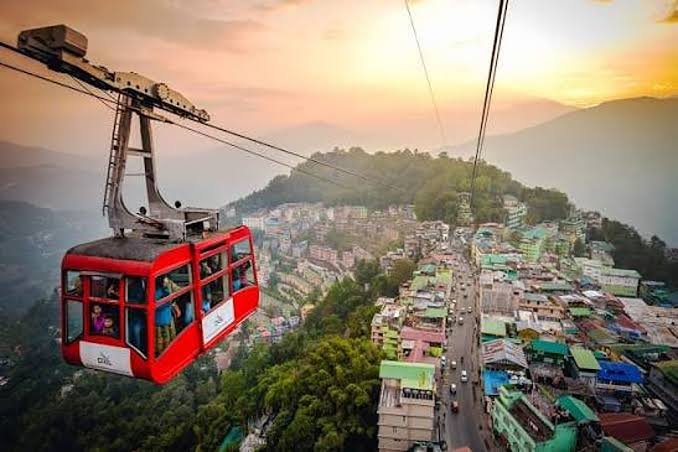
The proposed Shillong ropeway project has come under fresh pressure after the Joint Action Committee (JAC) issued an ultimatum demanding its cancellation. The committee has warned of widespread protests across Meghalaya if the government refuses to halt the project. Its opposition centres on concerns about potential environmental damage to Lum Shyllong’s biodiversity and water sources. The JAC argues that construction could threaten the area’s natural resources and ecological balance. Consequently, the demand has brought environmental protection and development planning into focus across Shillong.
Assam: Five Workers Injured, One Missing After Explosion at Oil India Tank Farm
JAC Demands Immediate Cancellation of Ropeway Project
The Joint Action Committee has called on the Meghalaya government to scrap the proposed Shillong ropeway project. It has issued an ultimatum and warned that public protests could follow if authorities continue with the plan.
The committee maintains that the project raises serious environmental concerns. In particular, its members have highlighted the possible impact on Lum Shyllong’s natural surroundings.
Moreover, the JAC believes that development work should not place local biodiversity and essential water sources at risk. It has therefore urged the government to reconsider the proposal before taking further steps.
The ultimatum has added pressure on the authorities to address the committee’s objections. However, the government’s response to the latest demand has not been specified in the available information.
Environmental Concerns Surround Lum Shyllong
Lum Shyllong remains central to the JAC’s opposition to the proposed ropeway. The committee has raised concerns about possible damage to the area’s biodiversity and water resources.
According to the committee’s position, construction activities could disturb the surrounding natural environment. Such concerns have made ecological protection a major part of the ongoing debate.
Furthermore, the group has stressed the importance of protecting local water sources. Any potential disruption could raise concerns among communities that depend on the area’s natural resources.
However, the specific environmental impact of the proposed project has not been established in the information available. A detailed assessment would help clarify the possible effects on vegetation, wildlife, water systems, and surrounding habitats.
The committee’s objections have therefore placed environmental scrutiny at the centre of discussions about the project.
Protest Warning Raises Pressure on Government
The JAC has warned that it could organise widespread protests if the government fails to scrap the ropeway proposal. This threat signals a possible escalation of opposition to the project.
The committee has made its demand clear through the ultimatum. It wants the authorities to halt the proposed development rather than proceed despite environmental objections.
Meanwhile, the warning raises questions about how the government will respond to public concerns. Authorities may face demands to explain the project’s environmental safeguards and planning process.
The scale and timing of any potential protests remain unclear. Nevertheless, the ultimatum indicates that the committee is prepared to intensify its campaign if the government does not address its concerns.
Development Plans and Environmental Protection
The controversy highlights the challenge of balancing infrastructure development with environmental protection in Meghalaya. Ropeway projects can form part of broader transport and tourism plans. However, their location and construction methods require careful consideration.
In environmentally sensitive areas, authorities need to examine possible effects on forests, wildlife habitats, drainage systems, and water sources. They must also consider the concerns of communities living near proposed construction sites.
Therefore, a transparent environmental assessment could help clarify the project’s potential risks. Public consultation may also allow residents and community organisations to present their concerns.
For the JAC, protecting Lum Shyllong’s biodiversity and water sources remains the central issue. The committee wants the government to abandon the proposal rather than risk environmental damage.
Government Response Remains Important
The government’s next response will play an important role in determining how the controversy develops. The JAC has already communicated its opposition and threatened wider demonstrations.
Authorities may need to address questions about the project’s proposed route, construction activities, environmental safeguards, and possible effects on local water resources.
Additionally, clear communication could help residents understand the project’s objectives and potential consequences. It could also provide an opportunity for environmental concerns to receive formal consideration.
At present, the available information does not establish whether the government has agreed to suspend or cancel the proposal. The committee’s ultimatum therefore leaves the issue unresolved.
What Lies Ahead for the Shillong Ropeway Proposal
The proposed ropeway now faces opposition centred on environmental protection and public consultation. The JAC’s ultimatum has increased pressure on the government to reconsider its plans.
If authorities proceed without addressing the committee’s concerns, protests could become the next stage of the dispute. Conversely, meaningful discussions and transparent environmental assessments could help clarify the issues.
The future of the proposal will depend on the government’s response and the committee’s next steps. Meanwhile, the protection of Lum Shyllong’s natural resources remains at the heart of the controversy.
Conclusion
The Joint Action Committee has demanded the cancellation of the proposed Shillong ropeway project, warning of widespread protests if the government refuses. Its objections focus on potential damage to Lum Shyllong’s biodiversity and water sources. The ultimatum has brought environmental concerns into the infrastructure debate. The government now faces demands to address the committee’s objections and clarify the project’s environmental implications. The next developments will determine whether the dispute moves towards dialogue or wider public demonstrations.
Frequently Asked Questions
1. Why is the JAC opposing the Shillong ropeway project?
The committee opposes the proposal because it fears construction could damage Lum Shyllong’s biodiversity and water sources.
2. What has the Joint Action Committee demanded?
The JAC has demanded that the Meghalaya government scrap the proposed ropeway project.
3. What warning has the JAC issued?
The committee has threatened widespread protests across the state if the government does not halt the proposal.
4. Which area is at the centre of the environmental concerns?
Lum Shyllong is the main area highlighted in the committee’s objections.
5. What environmental issues has the committee raised?
The JAC has raised concerns about potential harm to local biodiversity and natural water sources.
6. Has the government agreed to cancel the ropeway project?
The government’s decision has not been specified in the available information. The committee’s demand remains the central issue.