


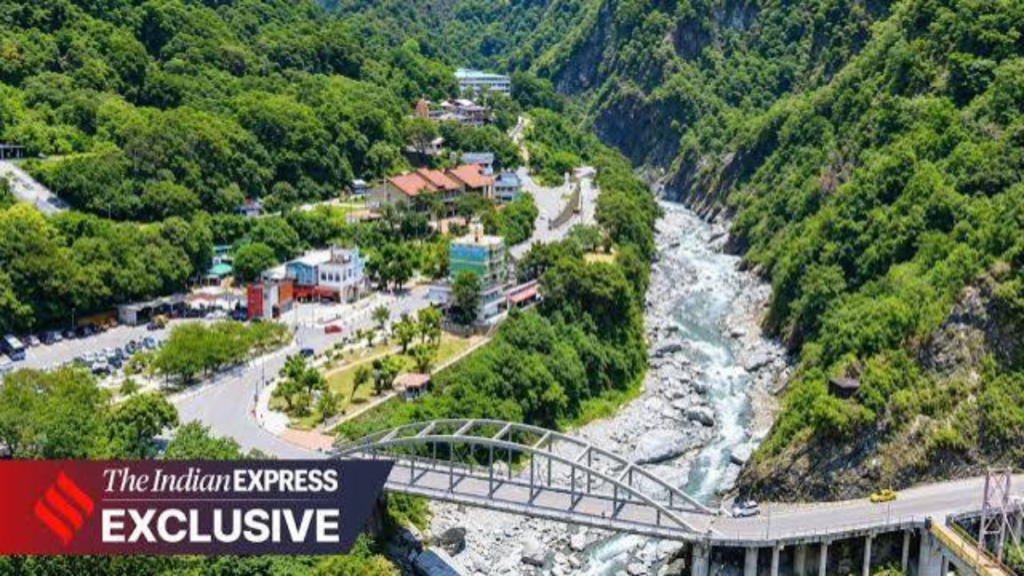
The Siang Hydel Project in Arunachal Pradesh has raised hopes for employment, improved roads and economic development. However, the proposed 11,200-megawatt project has also sparked concerns over ancestral land, displacement and environmental risks.
The project has drawn attention to the challenge of balancing development with community interests. While authorities highlight its potential benefits, residents want clear safeguards for their homes, livelihoods and cultural heritage before construction moves forward.
Siang Hydel Project Promises Jobs and Better Roads
The proposed project could create employment during surveys, construction and related infrastructure work. Local businesses may also benefit from greater demand for transport, accommodation, supplies and other services.
Moreover, improved road connectivity could make remote communities more accessible. Better transport links could help residents reach schools, healthcare facilities and markets more easily.
However, these benefits are not guaranteed. The scale of local employment will depend on project planning, recruitment policies, skill development and the participation of affected communities.
Arunachal Pradesh has considerable hydropower potential. Supporters see the sector as an opportunity to generate revenue, improve infrastructure and expand economic activity. Nevertheless, residents will expect authorities to explain how local communities will benefit from such a large development.
Siang Hydel Project Remains Under Assessment
The proposed 11,200-MW Siang Upper Multipurpose Project is a major hydropower initiative in Arunachal Pradesh. However, its proposed capacity does not mean that construction is ready to begin.
Authorities must examine its technical feasibility, costs and potential effects on surrounding communities. Preliminary studies can help determine whether the project is viable and identify the challenges that would need to be addressed.
Furthermore, environmental and social impact assessments will be important if the project advances through the required stages. These studies should examine possible displacement, land requirements, ecological changes and the project’s long-term effects.
The government will also need to explain the project’s expected costs and benefits. Transparent information can help residents understand the proposal and make informed decisions about its possible consequences.
Land Rights and Displacement Remain Major Concerns
For many residents, the most pressing question is what the project could mean for ancestral land and traditional livelihoods. The Siang River holds economic, cultural and social importance for indigenous communities, including the Adi people.
Community concerns include possible displacement, the loss of farmland and changes to traditional settlements. Residents also worry about the effects that large-scale construction could have on their established way of life.
However, the exact number of affected families and the extent of land acquisition require detailed assessment. Authorities must establish these details through reliable studies rather than relying on unverified estimates.
Moreover, compensation alone may not address every concern. Communities need clear information about rehabilitation, livelihood support and the protection of cultural heritage.
Meaningful consultation will therefore remain essential. Officials must listen to affected residents, explain the available options and ensure that communities understand the potential consequences before major decisions are made.
Environmental Risks Require Careful Examination
The Siang Hydel Project also raises important environmental questions. Large dams can change river flows, affect aquatic habitats and alter surrounding landscapes. Construction may also place pressure on forests, wildlife and local water systems.
Additionally, the Siang Valley lies in a seismically active part of the eastern Himalayas. Detailed geological studies and strong dam-safety assessments will be necessary to evaluate the risks.
Environmental assessments should examine biodiversity, sediment movement and possible effects on downstream communities. They should also consider the combined impact of development across the river basin.
The project has strategic significance because of wider concerns about water security and hydropower development in the region. However, these considerations cannot replace scientific evidence, transparent decision-making or public consultation.
Siang Hydel Project Must Balance Growth With Local Rights
The future of the Siang Hydel Project will depend on whether authorities can address community concerns while assessing its economic potential. Employment and better roads could benefit the region, but those benefits must be weighed against the social and environmental costs.
The government needs to communicate its plans clearly, publish credible assessment findings and establish fair safeguards for affected residents. It must also explain how local people could access jobs, training and other opportunities linked to the project.
Ultimately, the proposed project presents both an opportunity and a challenge for Arunachal Pradesh. Its long-term value will depend not only on its power-generating capacity but also on respect for land rights, environmental protection and public trust.
KIIT University and iLogitron Technologies Sign MoU to Advance AI in Bhubaneswar