


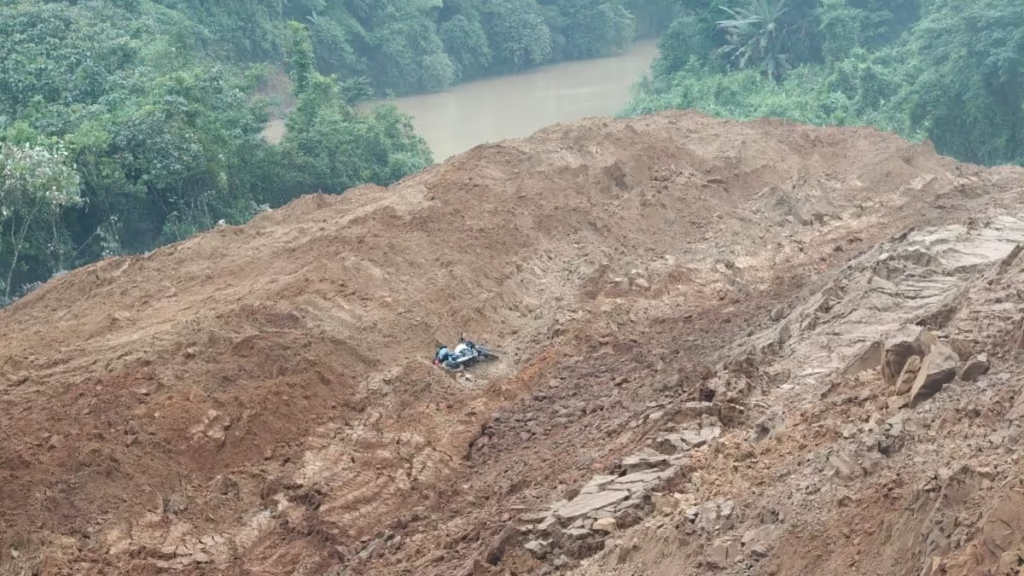
The Siji River landslide emergency has prompted urgent action in Arunachal Pradesh after a massive landslide completely blocked the Siji River in Lower Siang district. Authorities warned that the temporary blockage created the risk of sudden water release, posing a potential threat to downstream areas, including Likabali town. In response, district officials activated emergency coordination mechanisms, strengthened monitoring, and reviewed evacuation preparedness. Meanwhile, disaster management agencies continue assessing the situation while tracking changes in river flow and slope stability.
AFTF Demands Mandatory PRC for APPSC and APSSB Recruitment Exams
IAF Flood Rescue Operations Begin In Arunachal
Authorities Launch Emergency Coordination
The Siji River landslide emergency began after a large landslide obstructed the river’s natural flow in Lower Siang district. Consequently, district authorities coordinated with disaster management agencies, police, and technical experts to assess the evolving situation. Officials immediately reviewed contingency plans to address any sudden changes in water levels.
Meanwhile, emergency teams monitored the landslide site and gathered real-time information on the stability of the natural blockage. They also alerted local administrations in vulnerable downstream areas to remain prepared for any emergency response. Furthermore, authorities strengthened communication networks to ensure rapid dissemination of official advisories.
Officials stated that continuous monitoring remains a top priority.
Likabali Remains Under Close Watch
The Siji River landslide emergency prompted authorities to increase surveillance around Likabali and other downstream locations. Technical teams regularly assessed river conditions while reviewing hydrological data to identify potential risks. At the same time, district officials coordinated with emergency responders to maintain readiness if evacuation became necessary.
Furthermore, disaster management authorities advised residents to stay informed through official updates and avoid unnecessary travel near the affected river. They also continued evaluating the stability of the landslide and surrounding terrain.
Officials emphasized that precautionary measures help reduce disaster risks.
Disaster Agencies Monitor River Conditions
The Siji River landslide emergency highlights the importance of coordinated disaster management during natural hazards in mountainous regions. Authorities continue tracking water levels, geological conditions, and weather forecasts to support timely decision-making. In addition, technical experts are assessing the likelihood of further landslides or sudden water release.
Meanwhile, state agencies remain engaged with district administrations to ensure emergency resources remain available if conditions change. Officials also continue reviewing preparedness plans for nearby communities.
Authorities stressed that timely information supports effective emergency response.
Preparedness Efforts Continue
The Siji River landslide emergency demonstrates the need for sustained coordination among disaster management agencies, local administrations, and technical experts. Therefore, officials remain focused on monitoring the blocked river, strengthening emergency preparedness, and protecting vulnerable communities.
Moreover, authorities continue reviewing response strategies while maintaining close communication with downstream areas. Continued vigilance, scientific monitoring, and coordinated action will remain essential until the situation stabilizes and the immediate threat subsides.
Conclusion
The Siji River landslide emergency marks a critical phase in Arunachal Pradesh’s disaster response after a massive landslide blocked the Siji River in Lower Siang district. With potential risks to Likabali and nearby communities, authorities have intensified monitoring, strengthened emergency coordination, and maintained preparedness for any sudden developments. Meanwhile, disaster management agencies continue evaluating river conditions and supporting precautionary measures to safeguard lives and infrastructure.
FAQs
1. Where did the landslide occur?
The landslide occurred on the Siji River in Lower Siang district of Arunachal Pradesh.
2. Which downstream area is under close monitoring?
Authorities are closely monitoring Likabali town and nearby vulnerable locations.
3. What is the Siji River landslide emergency?
The Siji River landslide emergency refers to the response launched after a massive landslide blocked the river and created a potential flood risk for downstream communities.
4. What actions have authorities taken?
Officials have increased monitoring, coordinated with disaster agencies, and reviewed emergency preparedness plans.
5. Why is the blocked river considered risky?
A natural blockage may release water suddenly if it fails, increasing downstream flood risks.
6. What have residents been advised to do?
Authorities have urged people to follow official advisories and remain alert for updates.