


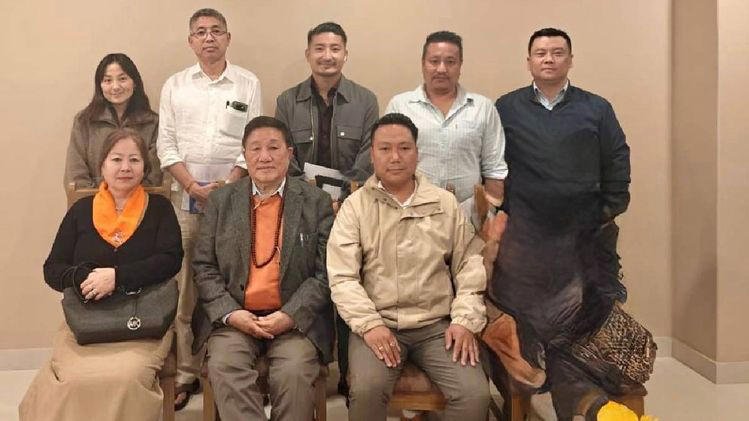
The debate over the Sikkim tribal status demand has intensified with the Bhutia association calling for a balanced and sensible approach. The issue, which involves recognition of various communities as Scheduled Tribes, has been a sensitive subject in the state for many years. Recently, the Bhutia association emphasized that discussions must take place in a manner that ensures fairness, unity, and inclusive development across Sikkim.
Read More: 5 Best Juices for Hair Growth: Amla to Beetroot Drinks
Understanding the Tribal Status Demand in Sikkim
Sikkim is home to diverse communities with distinct cultures, traditions, and histories. Several groups have sought recognition under the Scheduled Tribe category to secure constitutional safeguards and access to benefits in education, jobs, and welfare schemes. While some communities already enjoy this status, others continue to push for inclusion.
The Sikkim tribal status demand has often sparked intense debates. Supporters argue that recognition will help marginalized groups preserve their identity and gain equal opportunities. On the other hand, concerns remain about whether such demands could affect social harmony if handled without care.
Bhutia Association’s Call for Sensible Dialogue
The Bhutia association recently voiced its stance on the matter, urging all stakeholders to approach the issue with caution and sensitivity. According to the association, any move regarding the Sikkim tribal status demand should prioritize long-term stability and respect for all communities.
Leaders of the association stressed that unity must remain the guiding principle. They highlighted that while aspirations for recognition are genuine, the process should not create divisions within society. Instead, dialogue should focus on creating a fair system that addresses the needs of underrepresented groups without undermining the balance among Sikkim’s existing communities.
Balancing Identity and Development
The demand for tribal status in Sikkim is not just about legal recognition. It also reflects deeper concerns related to cultural preservation and social equity. The Bhutia association believes that while protecting identity is important, equal attention must be given to development goals.
By urging a sensible approach, the association hopes to avoid conflicts that might emerge if demands are pursued aggressively. It argues that constructive conversations between the state, community leaders, and central authorities are essential. Only through dialogue can policies be framed that uplift marginalized groups while maintaining Sikkim’s reputation for harmony.
Government’s Role in Addressing the Demand
The Sikkim government, along with the central authorities, plays a crucial role in addressing the Sikkim tribal status demand. Past experiences in the state and other parts of India show that recognition issues often require detailed studies, historical analysis, and social impact assessments.
The Bhutia association has encouraged the government to take a transparent and consultative approach. By involving all stakeholders in discussions, authorities can create an atmosphere of trust. This is vital to ensure that policies designed to help one community do not unintentionally cause resentment among others.
Social Harmony as the Priority
One of the main points highlighted by the Bhutia association is the importance of maintaining social harmony. Sikkim has long been known for peaceful coexistence among its diverse groups. Any policy decision regarding tribal recognition should, therefore, uphold this tradition.
The association believes that rushing into decisions without thorough evaluation could disturb this balance. Instead, it recommends phased steps, careful planning, and clear communication to ensure that all communities feel respected and included in the process.
Long-Term Implications of the Tribal Status Demand
The outcome of the Sikkim tribal status demand will have long-lasting effects on the state’s social and political fabric. If handled with fairness and foresight, it can open new opportunities for underrepresented groups while preserving unity. However, if pursued without adequate dialogue, it risks sparking disputes that could affect governance and community relations.
The Bhutia association’s emphasis on a sensible approach underscores the need to look at the bigger picture. Recognition should not only be about immediate benefits but also about building a stronger and more inclusive Sikkim for future generations.
Towards Inclusive Development in Sikkim
The broader goal of addressing the tribal status issue should be inclusive development. The Bhutia association believes that while recognition is important, policies must also ensure better access to education, healthcare, infrastructure, and livelihood opportunities for all.
By aligning the Sikkim tribal status demand with inclusive growth, the state can avoid narrow identity-based politics. Instead, it can focus on development programs that uplift every community, thereby creating a balanced path forward.
The Sikkim tribal status demand continues to be a sensitive yet important issue for the state. With the Bhutia association urging a sensible and inclusive approach, the debate has gained a thoughtful perspective. The focus on unity, social harmony, and fair recognition highlights the path that policymakers and community leaders need to take.
As discussions continue, it is clear that Sikkim’s future depends on balancing identity with development. The Bhutia association’s call serves as a reminder that thoughtful dialogue and inclusive policies are essential to building a stronger and more united Sikkim.
Read More: PM Modi to Inaugurate Bairabi-Sairang Rail Project