


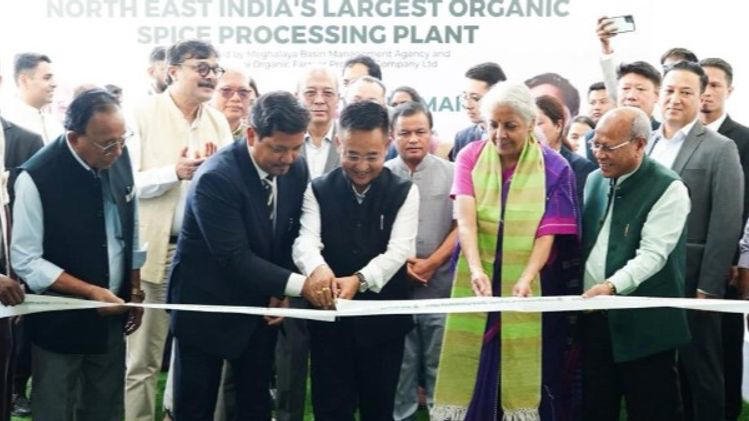
Sikkim Chief Minister Prem Singh Tamang has called for simplified funding norms and quicker approval processes for externally aided projects (EAPs), arguing that such reforms are essential for accelerating infrastructure development and supporting the state’s long-term growth objectives. The Chief Minister raised the issue while highlighting the unique challenges faced by Himalayan and Northeastern states in implementing large-scale development projects.
Tamang emphasized that externally aided projects have become an important source of funding for infrastructure, social development, environmental protection, and public service initiatives. However, lengthy approval procedures and complex financing requirements can often delay project implementation and reduce efficiency.
Read More: Assam CM Himanta Biswa Sarma Advocates Higher Funding Limits for Externally Aided Projects
The Chief Minister noted that faster approvals and more flexible funding mechanisms would enable states like Sikkim to better utilize development opportunities and respond more effectively to emerging needs. He stressed that development projects should move forward without unnecessary administrative delays, particularly in sectors that directly impact citizens’ lives and economic growth.
His remarks come amid increasing efforts by Northeastern states to secure greater support for development programmes and improve access to external funding sources.
Importance of Externally Aided Projects for Sikkim
Externally aided projects play a significant role in supporting development initiatives in Sikkim. These projects are financed through partnerships with international financial institutions and development agencies and often focus on infrastructure, environmental sustainability, urban development, healthcare, education, and climate resilience.
For a geographically challenging state like Sikkim, such projects provide valuable resources that help bridge funding gaps and support large-scale initiatives. Officials noted that externally aided projects have contributed to improvements in roads, public services, disaster management systems, and environmental conservation programmes.
The Chief Minister highlighted that these projects often bring not only financial assistance but also technical expertise and international best practices. Such support helps improve project quality and strengthens implementation capacity within government departments.
According to state officials, easier access to externally aided funding could significantly enhance Sikkim’s ability to undertake transformative development initiatives.
Need for Faster Approval Mechanisms
A major concern raised by Tamang was the time required for obtaining approvals at various stages of project planning and implementation. He pointed out that lengthy procedures can delay project execution and increase costs.
Development projects often require multiple clearances and approvals before implementation begins. While these procedures are important for ensuring accountability and compliance, excessive delays can affect project outcomes and limit the effectiveness of investments.
The Chief Minister argued that faster decision-making mechanisms would help states respond more quickly to development needs. Timely approvals can reduce uncertainty, improve project planning, and ensure that funds are utilized efficiently.
Officials believe that streamlining approval processes would also encourage better coordination among agencies involved in project implementation. Faster approvals could help avoid delays that often arise due to administrative complexities.
Simplified Funding Norms Can Improve Project Delivery
Tamang also called for a review of existing funding norms associated with externally aided projects. He suggested that more flexible financial arrangements could help states undertake larger and more impactful initiatives.
Officials explained that some funding requirements can pose challenges for smaller states with limited financial resources. Meeting certain conditions may require additional administrative efforts and financial commitments, potentially affecting project timelines.
The Chief Minister emphasized that funding frameworks should take into account the specific circumstances of hill and Northeastern states. Geographic constraints, difficult terrain, and climate-related challenges often increase project costs and require greater flexibility in financing arrangements.
Simplified funding norms, he argued, would improve accessibility and enable states to focus more effectively on project implementation rather than administrative procedures.
Development Needs of Himalayan States
Sikkim’s unique geography presents both opportunities and challenges for development. The state is known for its rich biodiversity, mountainous terrain, and ecological significance, but these same characteristics can complicate infrastructure development and service delivery.
The Chief Minister noted that constructing roads, bridges, public facilities, and other infrastructure in mountainous regions often requires higher investments compared to plains areas. Frequent landslides, extreme weather events, and environmental considerations further increase project complexity.
As a result, Himalayan states require special attention when designing funding mechanisms and approval systems. Tamang argued that development frameworks should recognize these realities and provide greater flexibility where necessary.
Officials believe that tailored approaches can help ensure that infrastructure and public service projects are implemented more effectively in geographically challenging regions.
Supporting Infrastructure Growth
Infrastructure development remains one of the key priorities for Sikkim’s government. Roads, bridges, water supply systems, healthcare facilities, and educational institutions are essential for improving quality of life and supporting economic growth.
The Chief Minister emphasized that externally aided projects have the potential to play a major role in strengthening infrastructure across the state. However, maximizing their impact requires efficient approval systems and adequate funding support.
Improved infrastructure can enhance connectivity, facilitate tourism, strengthen disaster preparedness, and create opportunities for businesses and local communities. Timely project implementation is therefore critical for achieving development goals.
Officials stressed that accelerating infrastructure projects would contribute to broader economic and social progress while improving access to essential services.
Climate Resilience and Sustainable Development
Climate resilience is another area where externally aided projects have become increasingly important. Sikkim faces environmental challenges such as landslides, changing weather patterns, and natural disasters that require sustained investment in resilience-building measures.
The Chief Minister highlighted the need for development financing that supports climate adaptation and environmental sustainability. Projects focused on disaster management, watershed protection, renewable energy, and ecological conservation are particularly important for the state.
International funding agencies often support such initiatives, making externally aided projects a valuable tool for addressing environmental challenges. Faster approvals and flexible funding arrangements could help accelerate implementation and strengthen resilience efforts.
Officials noted that sustainable development remains central to Sikkim’s long-term vision and should continue to guide future investment decisions.
Boosting Economic Opportunities
Tamang also emphasized the economic benefits associated with improved access to development financing. Large-scale projects generate employment opportunities, stimulate economic activity, and create demand for local goods and services.
Infrastructure investments support sectors such as tourism, agriculture, horticulture, and small-scale industries. Improved facilities and connectivity can help businesses expand while attracting new investment to the state.
The Chief Minister observed that timely implementation of development projects can create a positive multiplier effect throughout the economy. Delays, on the other hand, may postpone benefits and increase costs.
By simplifying funding procedures and speeding up approvals, governments can create an environment that supports sustained economic growth and job creation.
Collaboration Between States and the Centre
The Chief Minister stressed the importance of close cooperation between state governments and the Centre in addressing funding and approval-related challenges. Effective collaboration can help identify practical solutions and improve the efficiency of development programmes.
Officials noted that several Northeastern states face similar issues regarding project financing and implementation. Shared concerns may provide opportunities for broader policy discussions aimed at improving development frameworks for the region.
The Centre has consistently emphasized the importance of infrastructure and economic development in the Northeast. Tamang expressed confidence that continued dialogue would help strengthen support mechanisms and improve project delivery.
Such cooperation is expected to play a key role in ensuring that development initiatives achieve their intended outcomes.
A Call for Development-Oriented Reforms
Prem Singh Tamang’s appeal for easier funding norms and faster approvals reflects a broader effort to improve the effectiveness of development financing in Sikkim. As the state continues to pursue ambitious goals in infrastructure, sustainability, and public service delivery, access to timely and flexible funding will remain essential.
The Chief Minister’s proposal highlights the need for systems that can respond efficiently to the realities faced by Himalayan and Northeastern states. Simplified procedures and streamlined approvals could help accelerate project implementation and maximize the benefits of external assistance.
With growing development needs and increasing opportunities for international cooperation, reforms in funding and approval mechanisms could provide a significant boost to Sikkim’s growth journey. Officials believe that such changes would not only improve project outcomes but also contribute to stronger economic development, better infrastructure, and enhanced quality of life for the people of the state.
Read More: Assam and Meghalaya Boundary Talks Await Resolution of Initial Areas Before Next Phase