


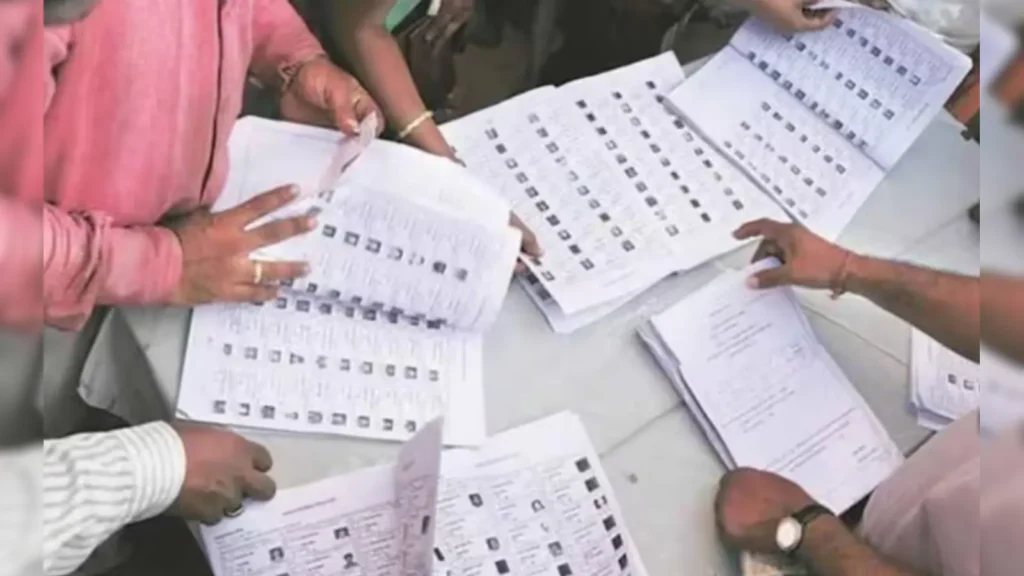
Sikkim’s Draft Electoral Roll 2026 has left 37,724 electors outside the draft list following the Special Intensive Revision (SIR) enumeration exercise, bringing renewed attention to voter verification in the Himalayan state. The figure represents about 8% of the 4,71,018 electors recorded before the revision.
The exclusions followed a house-to-house verification exercise conducted from May 30 to June 28, 2026. According to the Chief Electoral Officer’s office, the unlisted electors included people who had died, permanently shifted, appeared on electoral rolls at multiple locations, or remained untraceable.
However, the omission from the draft roll does not automatically represent a final deletion. The Sikkim CEO has provided a claims-and-objections process through which affected electors can seek inclusion in the electoral roll.
Tripura CEO Brijesh Pandey Locks Dates for Special Electoral Revision
37,724 Electors Missing From Draft Roll
Sikkim had 4,71,018 registered electors at the start of the SIR exercise. Officials received and digitised enumeration forms from 4,33,294 electors, leaving 37,724 entries outside the draft roll.
The CEO’s office attributed the uncollectable or unverified entries to several categories, including deceased voters, people who had permanently moved, multiple registrations, and individuals whom officials could not trace during verification.
The figures therefore reflect the outcome of the enumeration stage rather than a final determination on every individual case.
SIR Verification Drives the Revision
The Special Intensive Revision involved house-to-house visits by Booth Level Officers.
The Election Commission’s stated objective for SIR is to ensure that eligible citizens remain on the electoral roll while ineligible entries do not remain on it. Moreover, the enumeration phase allows officials to update voter information through direct verification.
In Sikkim, officials conducted the enumeration exercise between May 30 and June 28. The state government also urged electors to cooperate with Booth Level Officers and submit the required information.
The process consequently produced a substantial number of entries requiring further action or clarification.
Claims and Objections Remain Open
The publication of the draft roll does not close the door for voters whose names are missing.
Sikkim’s Chief Electoral Officer has created an online facility listing voters whose names appeared in the 2025 electoral rolls but did not appear in the SIR 2026 draft roll. The official website states that affected persons can submit Form 6 along with the required declaration and supporting documents during the claims-and-objections period.
The published claims-and-objections window ran from July 5 to August 4, 2026. Therefore, the legal and administrative status of individual cases depends on the claims process and subsequent scrutiny.
Why the 37,700 Figure Matters
The scale of the exclusions has made Sikkim’s electoral revision a significant administrative development.
The 37,724 unlisted electors account for roughly 8% of the electorate recorded before the revision. Consequently, even though officials identified several administrative reasons for the missing entries, the figure has naturally drawn attention to the verification process.
At the same time, the revision also identified voters who remained eligible and completed the required enumeration process. Officials reported receiving forms from 4,33,294 electors, representing more than 91% of the original electorate.
The numbers therefore show both extensive participation and a substantial group requiring further resolution.
Electoral Authorities Face Verification Task
The next stage places considerable responsibility on Electoral Registration Officers and other election officials.
Officials must examine claims submitted by affected electors and determine whether individual entries meet the applicable requirements. Furthermore, the process provides an opportunity to correct genuine administrative errors and update voter information.
This scrutiny remains important because electoral-roll revision must balance two objectives: preventing inaccurate entries while ensuring that eligible citizens can participate in elections.
The Sikkim CEO has already established mechanisms for affected electors to identify their status and pursue inclusion through the prescribed process.
New Voters Also Enter the Roll
The SIR exercise has not simply reduced the electoral roll.
According to reporting on the draft roll, around 43,000 new voters were added, while the revision also resulted in the removal of thousands of entries from the draft.
This distinction matters because electoral-roll revision involves both additions and deletions.
Eligible citizens reaching voting age or otherwise qualifying for registration can enter the electoral roll through the applicable procedures. Meanwhile, outdated or duplicate records can undergo review.
The overall objective remains an accurate and inclusive voter database.
Polling Infrastructure Also Expands
The revision has also affected Sikkim’s polling infrastructure.
Officials added 53 polling stations as part of the exercise, with the stated objective of keeping the number of electors at each station below the prescribed threshold.
The change could make polling management easier in areas where voter numbers or administrative requirements have changed.
Moreover, the exercise involved extensive field-level participation, with Booth Level Officers conducting verification across the state’s polling areas. The Sikkim government’s official release highlighted the role of election officials in monitoring and implementing the enumeration process.
Voter Participation Remains Important
The Sikkim revision also highlights the importance of voters checking their electoral information.
Electors whose names do not appear in the draft roll need to follow the official claims procedure if they believe they remain eligible. Additionally, voters should ensure that their personal and registration details remain accurate.
The official Sikkim CEO website provides a search facility for affected electors and information on the claims process.
Clear communication between voters and election officials can therefore help resolve genuine discrepancies.
Political and Legal Attention Could Continue
Large-scale electoral-roll revisions can attract political scrutiny because voter lists form the foundation of elections.
Political parties may examine the draft roll and raise concerns about particular entries or groups. However, individual cases ultimately require examination through the established electoral procedures.
The Sikkim process also includes formal mechanisms for claims and objections, which can provide affected voters with an opportunity to seek correction.
Consequently, the final electoral roll may differ from the draft after officials complete their review.
Final Roll Will Determine the Outcome
The draft roll should not be treated as the final electoral register.
The 37,724 electors currently outside the draft list can seek inclusion through the prescribed process. Moreover, election officials can make additions, corrections, and other changes after examining claims and objections.
The final roll will therefore provide a clearer picture of Sikkim’s electorate after the SIR exercise.
Until that process concludes, the draft figures should be understood as an interim stage rather than a final count of eligible voters.
Conclusion
The Sikkim Draft Electoral Roll 2026 has left 37,724 electors outside the draft following the state’s Special Intensive Revision, making voter verification a significant electoral issue. Officials identified deaths, permanent migration, multiple registrations, and untraceable electors among the reasons for the missing entries.
Moreover, the omission of these names from the draft does not automatically represent a final deletion. Sikkim’s election authorities have provided a claims-and-objections mechanism for affected electors seeking inclusion.
Overall, the final impact of the SIR exercise will depend on the outcome of individual claims, corrections, and official scrutiny. The process highlights the challenge of maintaining accurate electoral rolls while ensuring that eligible voters retain access to the democratic process.
FAQs
1. How many electors were left out of Sikkim’s draft roll?
A total of 37,724 electors were not included in the Draft Electoral Roll 2026 after the enumeration exercise.
2. Why were these electors left out?
Officials identified several categories, including deceased persons, people who had permanently moved, multiple registrations, and individuals who remained untraceable during verification.
3. Is the exclusion from the draft final?
No. Affected electors have a claims-and-objections process through which they can seek inclusion, subject to the applicable requirements and official scrutiny.
4. How many electors submitted enumeration forms?
Officials received and digitised enumeration forms from 4,33,294 electors out of the 4,71,018 registered electors at the start of the exercise.
5. When was the Sikkim enumeration exercise conducted?
The house-to-house enumeration phase ran from May 30 to June 28, 2026.