


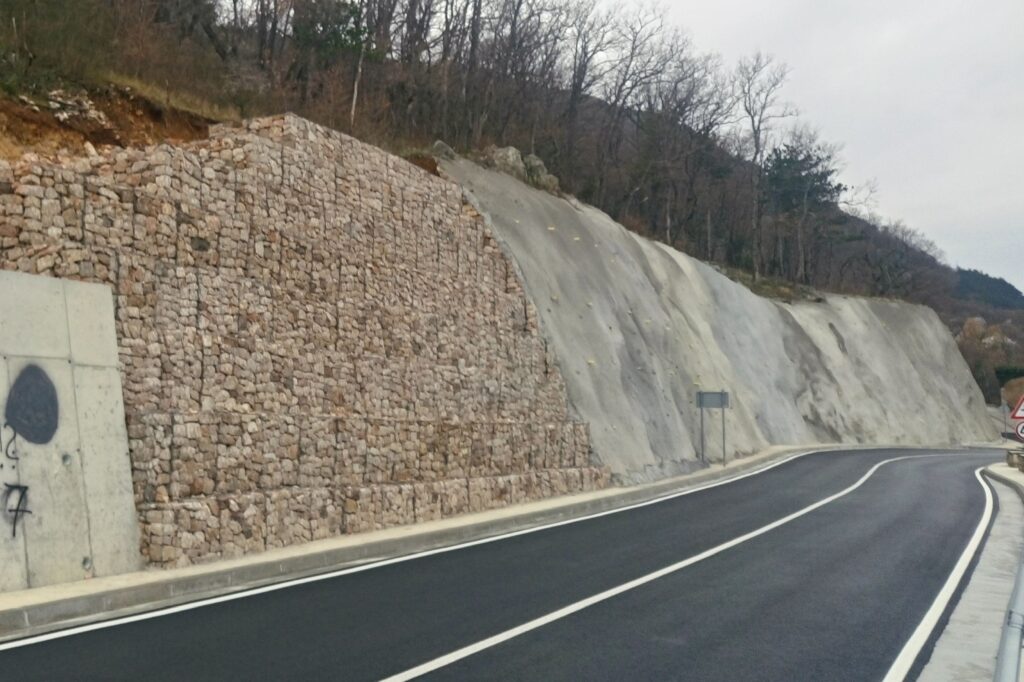
The Sikkim Highway Department has completed the construction of all-weather retaining walls along vulnerable stretches of the Teesta River, marking a major step toward strengthening road infrastructure and enhancing disaster resilience. The project aims to protect highways and nearby settlements from erosion and landslide risks, particularly during the monsoon season. Moreover, officials stated that the newly constructed structures are designed to withstand adverse weather conditions and ensure uninterrupted connectivity. The initiative reflects Sikkim’s commitment to improving infrastructure and safeguarding strategic transport corridors.
Nagaland School Board Introduces Vocational Courses on Coding and IT Development
Security Forces Rescue 115 Human Trafficking Victims From Assam; 9 Traffickers Arrested in Bihar
Retaining Walls Strengthen Protection Along the Teesta River
Sikkim highway department completes construction of all-weather retaining walls along Teesta river to reinforce vulnerable sections exposed to erosion and flooding. Consequently, authorities expect improved stability and reduced risks to critical road infrastructure.
The retaining walls have been constructed using modern engineering techniques to withstand heavy rainfall and strong river currents. Moreover, the structures are expected to minimize damage caused by soil erosion and slope instability. Therefore, the project is considered a significant achievement in infrastructure protection.
Officials emphasized that safeguarding roads and transport networks is essential for maintaining connectivity across the mountainous state. Furthermore, preventive measures help reduce disruptions during extreme weather events. As a result, commuters and local communities are expected to benefit from enhanced safety.
Meanwhile, technical teams will continue to monitor the performance of the structures. Consequently, maintenance and reinforcement measures can be implemented when necessary.
Improved Connectivity and Disaster Resilience Expected
Sikkim highway department completes construction of all-weather retaining walls along Teesta river with the objective of ensuring safer and more reliable transportation. Moreover, roads in hilly regions are often vulnerable to natural hazards. Therefore, strengthening protective infrastructure remains a priority.
The project is expected to reduce the impact of landslides and erosion on major routes. Consequently, transportation and supply chains may experience fewer disruptions. Such developments contribute to improved regional connectivity.
Furthermore, enhanced infrastructure resilience supports economic activities and tourism. As a result, communities and businesses are likely to experience greater stability.
Meanwhile, authorities are coordinating with disaster management agencies to strengthen preparedness measures. Similarly, additional safety assessments are being carried out.
Modern Engineering Solutions Support Sustainable Infrastructure
The Sikkim highway department completes construction of all-weather retaining walls along Teesta river as part of broader efforts to modernize transport infrastructure. Moreover, climate-resilient construction methods have become increasingly important in mountainous regions. Therefore, engineering innovation is receiving greater attention.
Officials highlighted that durable infrastructure can significantly reduce repair costs and improve long-term sustainability. Consequently, investments in resilient projects are expected to continue. Such initiatives contribute to efficient resource utilization.
Furthermore, advanced construction techniques are helping improve the lifespan and effectiveness of protective structures. As a result, infrastructure development is becoming more adaptive to changing environmental conditions.
Meanwhile, experts are evaluating additional measures to strengthen vulnerable locations. Similarly, environmental considerations are being integrated into future projects.
Commitment to Safe and Reliable Transportation
The completion of the retaining walls reflects Sikkim’s commitment to ensuring safe transportation networks and protecting communities from natural hazards. Moreover, resilient infrastructure is essential for sustainable development. Therefore, continuous investments in protective measures remain important.
Officials stated that strategic projects such as these are vital for maintaining connectivity and supporting economic growth. Consequently, similar initiatives may be undertaken in other vulnerable areas. Such measures contribute to long-term infrastructure security.
Furthermore, coordination among engineering, environmental, and disaster management agencies is being strengthened. As a result, future projects are expected to become more effective.
Meanwhile, authorities are exploring innovative solutions for improving road safety and resilience. Similarly, periodic inspections and monitoring systems are being enhanced.
Conclusion
Sikkim highway department completes construction of all-weather retaining walls along Teesta river, marking a significant milestone in strengthening infrastructure and enhancing disaster preparedness. Moreover, the project is expected to improve road safety and minimize disruptions caused by erosion and extreme weather conditions.
The initiative highlights the importance of resilient infrastructure in ensuring sustainable development and reliable connectivity. Therefore, it represents a valuable contribution to the state’s transportation network and economic stability.
As the Sikkim highway department completes construction of all-weather retaining walls along Teesta river, the development underscores the growing emphasis on engineering solutions that can withstand environmental challenges and safeguard communities.
FAQs
1. What project has the Sikkim Highway Department completed?
It has completed the construction of all-weather retaining walls along the Teesta River.
2. Why are the retaining walls important?
They help protect roads and nearby areas from erosion and landslides.
3. How will the project benefit commuters?
It is expected to ensure safer and more reliable transportation.
4. Why is the Teesta River region vulnerable?
Heavy rainfall and strong river currents can cause erosion and slope instability.
5. What is the broader objective of the initiative?
To strengthen infrastructure resilience and maintain uninterrupted connectivity.