


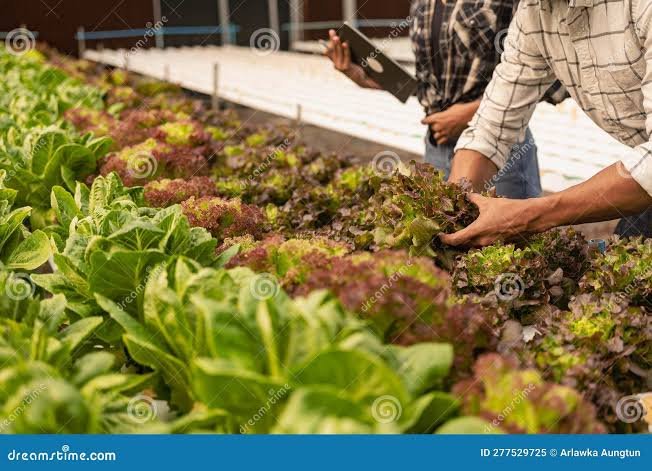
The proposed Sikkim hydroponic subsidy scheme has drawn attention to the potential for modern farming to create new business opportunities for young entrepreneurs across the Himalayan state. Hydroponics allows growers to cultivate plants without soil by delivering nutrients through water, often in controlled environments. The technology can support vegetable production where land availability, terrain and weather limit conventional cultivation. However, an official notification confirming the launch, subsidy rates and eligibility criteria of a dedicated hydroponics scheme could not be verified at the time of writing. Sikkim already operates entrepreneurship and horticulture support programmes that may offer relevant assistance to eligible applicants. Any new initiative specifically targeting hydroponic farming would require clear guidelines to help young entrepreneurs understand the available financial and technical support.
Respiratory diseases in Mizoram: 721 deaths reported now
Sikkim Hydroponic Subsidy Scheme and Youth Entrepreneurship
Sikkim has promoted entrepreneurship as part of its wider efforts to create employment and diversify the state’s economy. Government programmes have encouraged young people to establish businesses in agriculture, horticulture, food processing, tourism and other sectors.
The state’s existing initiatives include the Skilled Youth Start-Up Scheme and the Mukhyamantri Yuva Udhyamsheelta Vikas Yojana. These programmes aim to help eligible residents establish commercially viable ventures through financial assistance and other forms of support.
According to the government-backed MyScheme portal, the Skilled Youth Start-Up Scheme provides bank-linked project support with a back-ended subsidy. The listed subsidy rates are 50% for eligible applicants from below-poverty-line households and 35% for other eligible applicants, subject to scheme conditions and project approval.
Separately, Sikkim’s youth entrepreneurship programme offers seed funding of up to ₹5 lakh for eligible micro-enterprises. The state has presented these initiatives as part of its broader goal of encouraging self-employment and reducing dependence on government jobs.
However, these existing programmes should not be confused with a newly announced hydroponics-specific subsidy. Prospective applicants must confirm whether a proposed hydroponic farm qualifies under an existing scheme or whether the government has issued separate guidelines.
A dedicated hydroponics programme could potentially help young entrepreneurs meet the initial costs of growing structures, water circulation systems, nutrient delivery equipment and environmental controls. The actual assistance would depend on the scheme’s approved provisions.
How Hydroponic Farming Could Benefit Sikkim
Hydroponics offers an alternative to conventional soil-based cultivation. Instead of drawing nutrients from soil, plants receive a carefully managed nutrient solution through their growing system. Some installations use inert growing media to support plant roots.
The approach can suit selected crops, particularly leafy vegetables and certain herbs. Depending on the design, growers may also cultivate other vegetables in protected structures.
Sikkim’s mountainous terrain makes efficient land use important for agricultural development. In suitable locations, hydroponic systems could help entrepreneurs produce vegetables on relatively small plots or within protected growing spaces.
Moreover, controlled cultivation can help growers manage water and nutrients more precisely. Recirculating systems may reduce water use compared with some conventional methods, although actual savings depend on the crop, equipment and farm management practices.
Hydroponics may also allow growers to plan production throughout more of the year. However, temperature, humidity, lighting and water quality remain important factors, particularly in regions with cold winters or substantial seasonal rainfall.
The technology also presents challenges. Pumps, pipes, nutrient solutions and growing structures require maintenance. Some systems depend on reliable electricity, while technical problems can affect crops quickly if growers do not monitor water quality and nutrient levels.
Therefore, training and technical guidance would be important components of any government programme. Financial assistance alone may not ensure success unless new farmers can access suitable equipment, crop advice and dependable markets.
Existing Horticulture Programmes Offer Relevant Support
Sikkim has already taken steps to encourage investment in horticulture and related agricultural businesses. In June 2026, the National Horticulture Board and the state Department of Horticulture held stakeholder meetings in Gangtok to explain available schemes and investment opportunities.
The discussions covered protected cultivation of flowers and vegetables under polyhouses, high-value horticultural crops, mushroom production and post-harvest infrastructure. Officials also explained credit-linked assistance and project requirements for eligible entrepreneurs.
These programmes may be relevant to some businesses that use protected cultivation. Nevertheless, eligibility depends on the specific scheme, approved project category and applicable conditions. Entrepreneurs should not assume that every hydroponic installation qualifies automatically.
The state has also invested in a wider entrepreneurial ecosystem through initiatives such as Sikkim INSPIRES, startup support and incubation services. These programmes aim to improve access to mentorship, technical resources and institutional support.
For a young person considering a hydroponic business, the first step would be to prepare a practical project proposal. This should identify the intended crops, proposed growing area, equipment costs, expected production, water and electricity requirements, labour needs and potential buyers.
A realistic financial plan should also account for maintenance, packaging, transportation and crop losses. Entrepreneurs should compare the expected selling price with the full cost of production before seeking financing.
They should then consult the relevant state agriculture or horticulture department and the appropriate District Industries Centre to establish which support programme, if any, covers their proposed venture.
Funding, Training and Market Access Will Determine Success
A dedicated subsidy for hydroponic farming could reduce the initial financial burden on young entrepreneurs if the government formally establishes such a programme. However, its impact would depend on the assistance offered, the eligibility rules and the quality of implementation.
Clear guidelines would need to specify who can apply, which equipment and infrastructure qualify, the maximum project cost, the subsidy percentage and whether applicants must obtain a bank loan. The government would also need to explain the application process and any requirements for technical training.
Market access would be equally important. Hydroponic vegetables must compete with produce from conventional farms and other suppliers. Entrepreneurs would need to identify reliable customers, including retailers, hotels, restaurants and local institutions, before investing heavily in equipment.
Sikkim’s tourism economy could offer potential customers for fresh produce, but demand would vary by location, season and price. Businesses would need to assess local requirements rather than assume that higher production would automatically generate higher profits.
Training institutions and agricultural experts could help prospective growers select suitable crops and manage nutrient solutions, water quality and plant health. Demonstration projects could also allow farmers to assess the technology before making larger investments.
Furthermore, support for cold storage, packaging and transport could help growers maintain product quality after harvesting. These services would matter particularly for businesses supplying customers outside their immediate communities.
Until the government publishes an official notification, prospective applicants should verify all claims about a new hydroponics subsidy directly with the relevant departments. Confirmed details would help young entrepreneurs make informed decisions and avoid relying on inaccurate information.
Conclusion
The proposed Sikkim hydroponic subsidy scheme highlights growing interest in modern farming methods and youth-led agricultural businesses. Hydroponics could create opportunities for producing selected vegetables in controlled environments, especially where land availability and weather create challenges for conventional cultivation. However, a dedicated subsidy announcement, including its financial provisions and eligibility conditions, could not be independently verified.
Sikkim already supports entrepreneurship through programmes such as the Skilled Youth Start-Up Scheme and the Mukhyamantri Yuva Udhyamsheelta Vikas Yojana. The state has also promoted horticulture investment and protected cultivation through existing initiatives. These measures may provide relevant options for eligible applicants, depending on the nature of their projects and the applicable rules.
Going forward, official clarification would help establish whether the government plans to introduce separate financial assistance for hydroponics. Young entrepreneurs should assess production costs, technical requirements and market demand before investing. With appropriate training, verified financial support and reliable buyers, modern cultivation could become one avenue for expanding Sikkim’s agricultural entrepreneurship.
FAQs
1. Has Sikkim officially launched a dedicated hydroponic subsidy scheme?
An official notification confirming a new, hydroponics-specific subsidy scheme could not be verified at the time of writing. Applicants should consult the state Agriculture or Horticulture Department for confirmation.
2. What is hydroponic farming?
Hydroponics is a cultivation method in which plants receive essential nutrients through water rather than relying on soil. Some systems use inert growing media to support plant roots.
3. What existing schemes could help young agricultural entrepreneurs in Sikkim?
The Skilled Youth Start-Up Scheme and the Mukhyamantri Yuva Udhyamsheelta Vikas Yojana provide support for eligible entrepreneurial projects. Applicants must confirm whether their proposed hydroponic business meets the relevant conditions.
4. Which crops can growers cultivate using hydroponics?
Depending on the system and local conditions, hydroponics can support leafy vegetables, herbs and selected other vegetables. Crop selection should reflect technical requirements and local market demand.
5. Where should applicants verify hydroponics subsidy eligibility?
Prospective applicants should contact the relevant state Agriculture or Horticulture Department and their District Industries Centre. They should request official scheme guidelines before making financial commitments.