


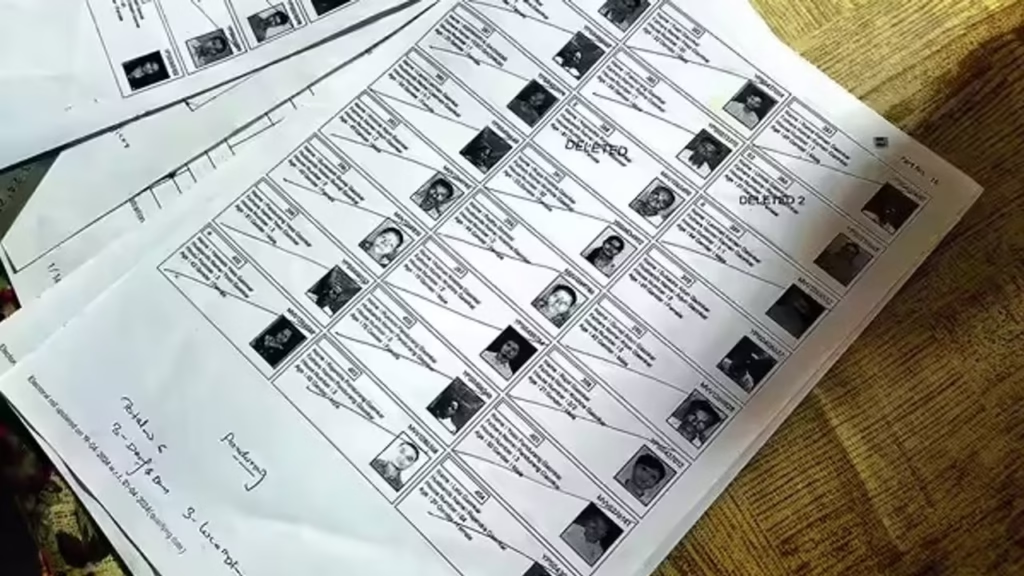
Sikkim’s opposition has raised concerns over missing names in the draft electoral roll, questioning whether eligible voters have received adequate opportunities to verify their registration status. The issue has emerged after an intensive electoral-roll revision changed the composition of the state’s voter list.
The draft roll followed a house-to-house enumeration exercise that left thousands of previous electors outside the initial list. Moreover, the scale of the changes has prompted political scrutiny over verification procedures, voter access, and the safeguards available to people whose names no longer appear.
However, the absence of a name from the draft roll does not automatically mean permanent deletion. Election authorities provide claims and objections mechanisms through which eligible electors can seek inclusion or correction.
Sivasagar Relief Camps Scrutinised After Assam Flood Toll Touches 95
Opposition Raises Questions Over Missing Names
Sikkim’s opposition parties have questioned the changes appearing in the draft electoral roll.
Political organisations can compare the new list with previous electoral records and identify constituencies where voter numbers have changed substantially. Furthermore, they can encourage affected voters to check their registration status and use official correction procedures.
The concerns have consequently placed the electoral-roll revision under greater public scrutiny.
However, individual omissions require verification before authorities can determine why a particular name does not appear.
Thousands of Electors Missing From Draft
The revision has resulted in a significant number of previous electors not appearing in the draft roll.
Officials conducted house-to-house enumeration to verify existing voter records. Additionally, the exercise examined information involving voters who had shifted residence, died, registered more than once, or could not be traced.
These categories can contribute to changes in the electoral roll.
However, the statewide number does not explain the circumstances of every missing voter.
Draft Roll Remains an Interim List
The draft electoral roll represents an important but temporary stage in the revision process.
Authorities can examine claims, objections, and corrections before publishing the final electoral roll. Moreover, voters whose names disappeared from the draft can use the prescribed procedures if they believe officials omitted them incorrectly.
The final list can therefore differ from the draft.
However, affected electors must act within the relevant deadlines and follow official procedures.
Claims and Objections Protect Voters
The claims-and-objections process gives eligible electors an opportunity to challenge their absence.
Voters can submit the required applications and supporting information through the designated channels. Furthermore, election officials can examine individual cases before deciding whether to restore or update a registration.
This mechanism provides an important safeguard.
However, acceptance of a claim depends on eligibility and verification under electoral rules.
House-to-House Enumeration Drives Review
The revision relied heavily on field-level verification.
Officials visited households to determine whether registered voters remained at their recorded addresses. Additionally, they gathered information that could help update outdated or duplicate electoral records.
Such verification can improve the quality of voter lists.
However, field exercises can encounter practical difficulties when residents remain away from home or officials cannot establish contact.
Remote Areas Face Additional Challenges
Sikkim’s mountainous terrain creates logistical challenges for electoral administration.
Some residents live in areas that require significant travel to reach administrative offices or polling-related facilities. Moreover, limited internet access can make online verification difficult for some voters.
These factors make local voter outreach particularly important.
However, voters should obtain information about deadlines and procedures directly from official election authorities.
Opposition Demands Greater Transparency
Opposition parties can play an important monitoring role during electoral-roll revision.
They may ask authorities to explain large changes in voter numbers and provide clear information about the reasons for missing entries. Furthermore, parties can compare constituency-level data and highlight cases requiring further examination.
Such scrutiny can encourage greater transparency.
However, political questions should rely on verified electoral data rather than assumptions about individual voter status.
Why Missing Names Matter
An eligible voter who does not appear on the electoral roll may face difficulties participating in an election.
Therefore, authorities need to provide accessible mechanisms for affected citizens to challenge incorrect omissions. Additionally, clear communication can help voters understand whether their names disappeared because of administrative errors or other verified circumstances.
The correction process consequently becomes crucial.
However, voters remain responsible for checking their registration details and submitting claims where necessary.
Political Parties Monitor Electoral Changes
The controversy could increase monitoring by political organisations across Sikkim.
Parties may compare previous and draft electoral rolls and identify areas with significant changes. Moreover, they can ask local representatives to help voters understand how to verify their names.
Such monitoring can improve awareness.
However, changes in voter numbers do not automatically demonstrate political interference.
Digital Verification Supports Officials
Election authorities increasingly use digital databases to manage electoral information.
Digital systems can help identify duplicate records and compare information across different electoral lists. Furthermore, online facilities can allow voters to check registration details without visiting an election office.
Technology can therefore support a more efficient revision.
However, disputed cases still require appropriate human verification.
Voter Awareness Becomes Essential
The controversy highlights the importance of voter participation during electoral-roll revision.
Citizens should check whether their names appear in the draft roll and verify other registration details. Additionally, people who discover errors should use the official claims and correction mechanisms.
Early action can help resolve discrepancies before final publication.
However, voters should not rely on unofficial lists or unverified social-media information.
Legal Scrutiny Could Follow
Disputes over electoral-roll revisions can sometimes reach courts.
Affected voters may first use administrative claims and objection mechanisms. Moreover, political organisations or individuals could consider further legal remedies if they believe authorities failed to follow applicable procedures.
Any legal challenge would depend on the facts of the specific dispute.
However, the existence of missing names alone does not establish a legal violation.
Final Roll Could Restore Eligible Voters
The number of voters in the final electoral roll could differ from the current draft.
Successful claims can restore eligible electors whose names were omitted during the initial process. Furthermore, officials can make corrections and process new registrations during the remaining revision stages.
The final list will therefore provide a more complete picture of Sikkim’s electorate.
However, the outcome will depend on individual verification and decisions by election authorities.
Electoral Trust Under Pressure
Large changes to electoral rolls can affect public confidence.
Authorities can reduce uncertainty by clearly explaining the revision process and providing accessible information about claims and objections. Moreover, political parties can contribute constructively by helping voters understand official procedures.
Transparent handling of disputed entries can consequently strengthen trust.
However, political debate should remain grounded in evidence.
Conclusion
The Sikkim opposition’s questions over missing names in the draft electoral roll have intensified scrutiny of the state’s voter-verification process. The concerns follow an extensive house-to-house enumeration exercise that changed the composition of the draft electorate and left thousands of previous electors outside the initial list.
Moreover, missing names should not automatically be treated as permanent deletions because eligible voters can use claims, objections, and correction mechanisms before authorities finalise the electoral roll. At the same time, election officials face the task of ensuring that affected citizens receive clear information and meaningful opportunities to challenge incorrect omissions.
Overall, the controversy places transparency and voter protection at the centre of Sikkim’s electoral-roll debate. The final impact will depend on how authorities resolve disputed entries and how many eligible voters successfully secure inclusion in the final roll.
FAQs
1. Why is Sikkim’s opposition questioning the draft electoral roll?
Opposition parties are scrutinising missing names and significant changes in the electorate following the house-to-house verification exercise.
2. Does a missing name mean permanent deletion?
No. A draft omission can be challenged through the applicable claims, objections, and correction procedures.
3. Why can voter names disappear during revision?
Records can change after verification identifies deceased voters, shifted electors, duplicate registrations, or cases where officials could not confirm a voter.
4. Can affected voters seek restoration?
Yes. Eligible voters can submit claims through the prescribed electoral process and request inclusion or correction.
5. Will the final electoral roll be different?
It can be. Successful claims, corrections, and new registrations can change the electorate before authorities publish the final roll.