


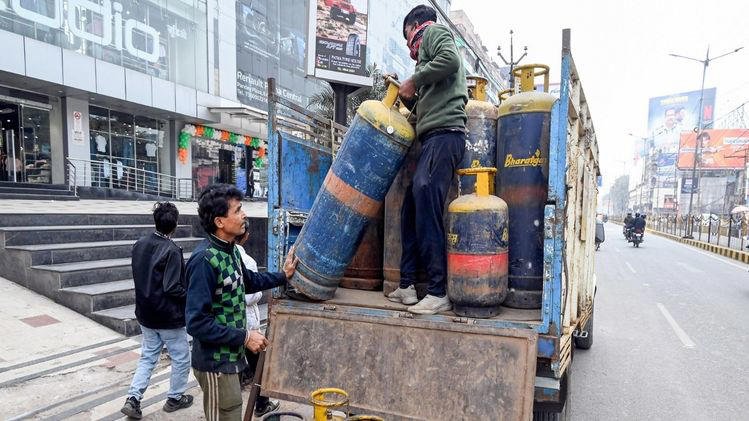
The government of Sikkim has taken a decisive step by setting up 24×7 LPG control rooms to safeguard essential fuel supplies. This move comes in response to the ongoing tensions in West Asia, which have raised concerns about disruptions in global energy supply chains. As a result, the state administration has strengthened its monitoring system to ensure uninterrupted LPG availability for households and businesses.
Moreover, the decision reflects a strong focus on preparedness during uncertain global conditions. While international developments continue to affect crude oil markets, Sikkim has acted early to protect local consumers. Consequently, authorities aim to maintain stability and prevent any panic among residents.
Read More: PM Modi Highlights Peace as Key to Assam Development
Government Strengthens Monitoring to Ensure Stability
The Sikkim government has established dedicated LPG control rooms that operate круглосуточно to monitor stock levels and distribution. These control rooms actively track supply chains and coordinate with distributors in real time. As a result, officials can respond quickly to any disruption or delay.
In addition, authorities have connected these control rooms with transporters and local agencies to ensure seamless communication. This coordinated system allows quick decision-making and reduces the chances of supply gaps. Furthermore, officials continue to review stock positions regularly to maintain adequate reserves.
At the same time, the government has reassured citizens that LPG stocks remain sufficient. Therefore, it has urged people not to panic or engage in unnecessary bulk booking. Instead, consumers should rely on regular supply channels.
West Asia Crisis Raises Fuel Supply Concerns
The ongoing tensions in West Asia have significantly impacted global energy markets. Since the region supplies a large share of crude oil, any instability can disrupt supply chains and increase transportation costs. Consequently, countries like India remain vulnerable to such fluctuations.
However, Sikkim has chosen a proactive approach to address these risks. Rather than waiting for disruptions, the state has implemented preventive measures. As a result, the LPG control rooms now act as a central system to monitor and manage supply effectively.
Meanwhile, officials continue to assess the situation closely. They also coordinate with national agencies to stay updated on global developments. Therefore, the state remains prepared for any sudden changes in fuel availability.
Distribution Network Gets Stronger Support
Alongside monitoring, the Sikkim government has strengthened its LPG distribution network. Authorities have increased coordination with oil marketing companies and local distributors to ensure smooth delivery. Consequently, supply chains now operate more efficiently across the state.
In addition, transport logistics receive constant attention to prevent delays. Given Sikkim’s challenging terrain, efficient transportation plays a crucial role. Therefore, officials track vehicle movement and delivery schedules regularly.
Moreover, the control rooms analyze demand patterns to allocate resources better. This data-driven approach helps maintain balance between supply and demand. As a result, the chances of shortages remain low.
Public Awareness Drives Build Confidence
The government has also launched awareness campaigns to inform citizens about LPG availability. Through these efforts, authorities aim to prevent misinformation and build public confidence. In addition, helpline numbers now allow consumers to report issues directly.
Furthermore, officials encourage people to book cylinders through official platforms only. This step helps maintain transparency and prevents misuse of the system. At the same time, the administration has warned against hoarding or black marketing.
Therefore, public cooperation plays a vital role in ensuring supply stability. When consumers act responsibly, the system functions more efficiently. As a result, both authorities and citizens contribute to managing the situation effectively.
Coordination with Central Agencies Ensures Preparedness
The Sikkim government continues to work closely with central authorities and oil companies. This coordination ensures that the state receives timely updates and necessary support. Consequently, officials can make informed decisions based on real-time information.
In addition, contingency plans remain ready to handle any escalation in the crisis. These plans include alternative supply arrangements and additional stock management strategies. Therefore, the state can respond quickly if the situation worsens.
Meanwhile, regular communication between agencies strengthens the overall system. This collaborative approach improves efficiency and reduces uncertainty.
Unique Challenges in a Mountainous Region
Sikkim’s geographical conditions present unique challenges for LPG distribution. Difficult terrain and unpredictable weather often affect transportation. However, the government has taken steps to address these issues effectively.
The 24×7 LPG control rooms play a crucial role in overcoming these challenges. They help identify bottlenecks quickly and enable faster response. As a result, authorities can ensure timely deliveries even in remote areas.
Moreover, special focus remains on rural and hard-to-reach regions. Officials aim to provide equal access to all residents, regardless of location. Therefore, the administration continues to prioritize inclusive service delivery.
Proactive Governance Sets an Example
Sikkim’s decision to establish LPG control rooms highlights a proactive governance model. Instead of reacting to crises, the state has chosen to prepare in advance. Consequently, this approach reduces risks and strengthens public trust.
Furthermore, the initiative demonstrates how local governments can respond effectively to global challenges. By focusing on planning and coordination, Sikkim has created a reliable system. As a result, other states may consider adopting similar measures.
In addition, the move shows the importance of combining technology with administrative efficiency. This balanced approach ensures better outcomes for citizens.
Ensuring Stability Amid Global Uncertainty
As the West Asia crisis continues, maintaining essential supplies remains critical. Sikkim’s LPG control rooms now serve as a strong safeguard against disruptions. Through constant monitoring and coordination, the state ensures uninterrupted fuel availability.
Moreover, the government’s efforts provide reassurance to citizens. People can continue their daily activities without worrying about shortages. Therefore, stability in LPG supply supports overall economic and social well-being.
In conclusion, Sikkim has demonstrated effective crisis management through timely action and strategic planning. By prioritizing preparedness and public cooperation, the state has built a resilient system. As global uncertainties persist, such initiatives will remain crucial in safeguarding essential services.
Read More: BJP Expels Six Assam Leaders Over Anti-Party Activities