


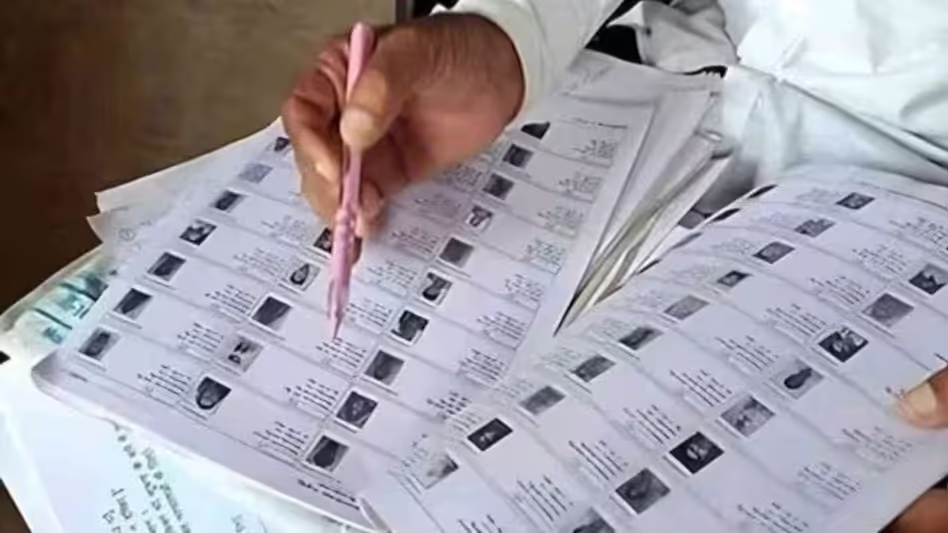
Sikkim’s SIR 2026 exercise has drawn attention after more than 37,000 electors did not appear in the draft electoral roll following the initial enumeration phase. The development has prompted questions about voter verification, access to claims procedures, and the need to ensure that eligible electors can correct their records.
The revision began with 4,71,018 registered electors, while officials received and digitised enumeration forms from 4,33,294 electors. Consequently, 37,724 names did not appear in the draft roll after the enumeration stage.
However, the figure does not automatically represent permanent voter deletions. The electoral-roll revision process includes mechanisms through which eligible electors can raise claims and objections before authorities finalise the roll.
Census 2026 Delay Demands: Akoijam Focuses on National Register of Citizens
SIR 2026 Leaves Thousands Outside Draft Roll
Sikkim’s SIR 2026 has created a significant gap between the earlier electoral roll and the draft list produced after enumeration.
Officials identified 4,33,294 electors whose enumeration forms they received and digitised. Meanwhile, 37,724 electors did not appear in the draft electoral roll after the initial exercise.
The numbers have attracted attention because the omitted group represents a substantial portion of the state’s earlier electorate.
However, the draft stage does not provide a final determination on every individual voter.
Enumeration Exercise Checks Voter Records
The enumeration phase aims to verify existing electoral information.
Officials and field-level personnel collect information from households and compare it with electoral records. Furthermore, the process can help identify people who have died, permanently shifted residence, registered more than once, or could not be traced during verification.
Such checks can improve the accuracy of electoral rolls.
However, authorities must provide appropriate opportunities for eligible electors to address incorrect omissions.
37,724 Names Draw Attention
The figure of 37,724 electors has become central to the discussion surrounding Sikkim’s draft electoral roll.
The number represents people whose enumeration forms were not included in the digitised set used for preparing the draft roll. Moreover, the reasons behind individual omissions can differ, making it important to examine cases separately.
A single statewide figure therefore cannot explain every missing entry.
However, the scale of the number has increased public and political interest in the revision process.
Missing From Draft Does Not Mean Permanent Deletion
A crucial distinction exists between a draft omission and a final deletion.
Election authorities can consider claims and objections from affected electors during the revision period. Additionally, voters who establish their eligibility can seek inclusion through the prescribed procedures.
The final electoral roll can therefore differ from the draft.
However, affected voters need to follow the official process within the applicable deadlines.
Claims and Objections Provide a Safeguard
The claims-and-objections stage gives voters an opportunity to challenge their absence from the draft roll.
Eligible electors can submit the required application or supporting information through the prescribed mechanism. Furthermore, election officials can examine individual cases before deciding whether to include a name in the final roll.
This process helps protect eligible voters from administrative errors.
However, acceptance of a claim depends on verification under the applicable electoral rules.
Remote Areas Face Verification Challenges
Sikkim’s mountainous geography creates practical challenges for voter enumeration.
Some residents live in remote areas where officials may face difficulties reaching households. Additionally, voters may encounter challenges accessing online systems or administrative offices during the claims period.
These factors make effective local outreach particularly important.
However, voters should obtain current instructions and deadlines from official election authorities.
Political Parties Watch the Revision
Political parties are likely to monitor the revision closely.
Parties can compare the draft roll with earlier electoral records and encourage supporters to verify their registration status. Moreover, they can raise concerns about unusual patterns through established administrative channels.
Such scrutiny can increase transparency.
However, changes in voter numbers do not automatically prove manipulation or wrongdoing.
Electoral Roll Revision Has Multiple Components
SIR 2026 involves more than checking whether existing voters submitted enumeration information.
Authorities also have to process new registrations, corrections, and other changes to electoral records. Furthermore, officials may identify records requiring further examination because of death, migration, duplication, or other circumstances.
The overall electorate can therefore change in several directions.
However, the draft roll should not be interpreted without considering the complete revision process.
New Voters Can Also Enter the Roll
The revision can add eligible voters alongside reviewing existing registrations.
Young people who meet the applicable eligibility requirements can seek registration. Additionally, individuals who previously lacked registration can apply through the prescribed process.
This means the final electorate could contain both newly added and previously omitted voters.
However, all applications remain subject to the applicable eligibility requirements.
Political Debate Intensifies
The number of missing electors has generated political discussion about the transparency of SIR 2026.
Political organisations may seek greater information about the reasons behind omissions and the safeguards available to affected voters. Moreover, public attention can encourage authorities to communicate the process more clearly.
The debate could continue until officials complete the revision.
However, claims about individual voter status require verification through official records.
Voter Awareness Becomes Critical
Affected electors should verify their names in the draft roll.
If a voter cannot find their name, they should check the official claims-and-objections process and submit the required application within the prescribed period. Furthermore, voters should retain relevant acknowledgement or application information where applicable.
Early action can help resolve registration problems.
However, voters should not rely on unofficial social-media lists or unverified claims about deletions.
Transparency Can Strengthen Trust
Large electoral-roll revisions require clear communication from election authorities.
Publishing information about the process, reasons for changes, and correction mechanisms can help voters understand what the draft figures mean. Additionally, transparent procedures can reduce confusion surrounding the difference between draft omissions and final deletions.
This can strengthen confidence in the electoral system.
However, authorities must also protect voter information while providing necessary transparency.
Legal Questions May Emerge
Disputed electoral-roll changes can sometimes lead to administrative or judicial challenges.
Affected voters may first use the claims-and-objections process. Moreover, organisations or individuals may consider further legal remedies if they believe authorities failed to follow applicable procedures.
The legal significance of any dispute will depend on the facts of the individual case.
However, the current draft figure alone does not establish that authorities violated electoral law.
Final Roll Could Change
The final electoral roll will provide a clearer picture of Sikkim’s electorate after the revision process concludes.
Successful claims can restore eligible voters who did not appear in the draft. Furthermore, authorities can make additional corrections and process new eligible registrations before final publication.
The final number of electors could therefore differ from the draft figure.
However, the outcome will depend on the claims, objections, verification, and corrections completed by election officials.
Conclusion
The Sikkim SIR 2026 exercise has placed voter enumeration under intense attention after 37,724 electors did not appear in the draft electoral roll following the initial verification phase. The figure has raised concerns about voter access, electoral transparency, and the need for effective correction mechanisms.
Moreover, the missing names should not automatically be treated as permanent deletions because the electoral-roll process allows eligible electors to submit claims and objections. At the same time, authorities must carefully examine individual cases and ensure that voters receive clear information about the procedures available to them.
Overall, the SIR 2026 process will remain closely watched as Sikkim moves toward the final electoral roll. The eventual outcome will depend on how authorities resolve disputed entries and how many eligible electors successfully secure inclusion.
FAQs
1. How many electors missed the initial enumeration?
A total of 37,724 electors did not appear in the draft electoral roll after the initial enumeration phase.
2. Does missing the draft roll mean permanent deletion?
No. The draft is an interim stage, and eligible electors can use the applicable claims-and-objections process.
3. How many enumeration forms were digitised?
Officials received and digitised enumeration forms from 4,33,294 electors during the exercise.
4. Can affected voters seek inclusion?
Yes. Eligible electors can submit claims through the prescribed electoral procedures and provide the information required for verification.
5. Will the final voter count remain the same?
Not necessarily. Successful claims, corrections, and new eligible registrations can change the electorate before authorities publish the final roll.