


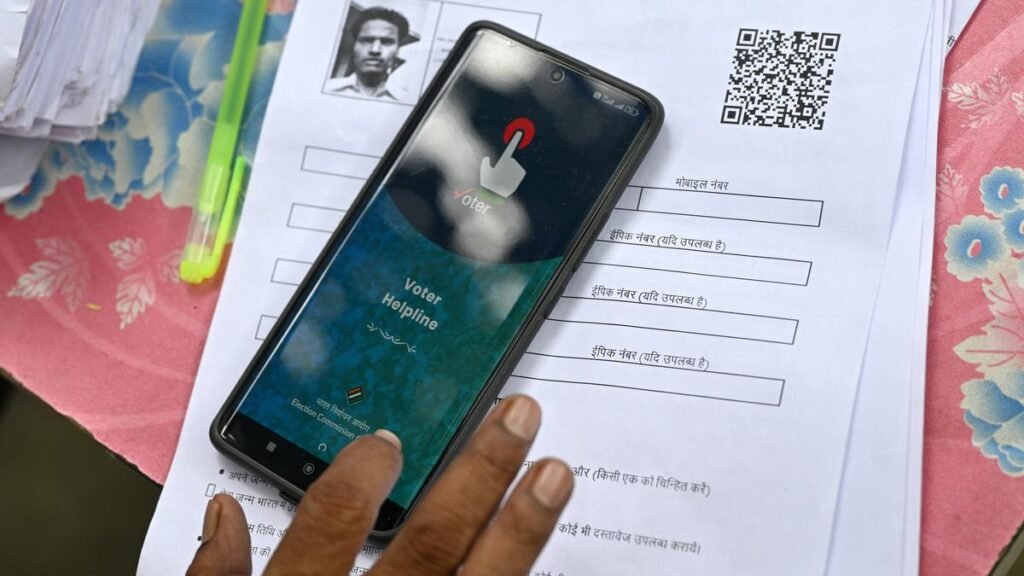
The SIR 2026 impact is becoming an important political issue across Northeast India as electoral-roll revisions bring demographic changes, voter verification, migration, and citizenship concerns into sharper focus. The Special Intensive Revision process could influence how political parties understand their voter bases and prepare for future elections.
The Northeast presents a particularly complex electoral landscape because several states share international borders and have experienced migration, displacement, and population movement over decades. Moreover, tribal identity, land rights, constitutional safeguards, and local political representation remain closely connected with demographic questions.
As electoral authorities update voter lists, political parties are likely to examine changes across constituencies and communities. However, changes in electoral rolls should not automatically be interpreted as evidence of broader demographic shifts because revisions can also reflect administrative corrections, duplicate entries, deceased voters, and changes in residence.
Tripura CEO Brijesh Pandey Locks Dates for Special Electoral Revision
SIR 2026 Brings Demographics Into Focus
The Special Intensive Revision process places electoral data under detailed scrutiny.
House-to-house verification can help authorities identify outdated records, duplicate registrations, deceased electors, and voters who have moved. Furthermore, the process can improve the accuracy of electoral rolls before future elections.
These changes can affect the apparent size and composition of electorates.
However, electoral-roll changes do not necessarily correspond directly to population changes.
Northeast Politics Faces Demographic Questions
Demographic concerns have long influenced political debates across Northeast India.
Migration, border management, indigenous identity, land ownership, and political representation remain sensitive issues in several states. Moreover, political parties often connect demographic questions with demands for stronger constitutional and administrative safeguards.
SIR 2026 could therefore intensify existing political discussions.
However, demographic claims require reliable population and electoral data rather than assumptions based solely on voter-roll changes.
Assam Could See Strong Political Debate
Assam is likely to remain one of the most closely watched states during discussions surrounding electoral-roll revision.
Questions about migration and citizenship have shaped political debates in the state for decades. Additionally, changes in voter lists can attract significant attention from political parties and community organisations.
The SIR process could consequently become part of wider debates about electoral eligibility and demographic change.
However, voter verification and citizenship determination involve distinct legal frameworks and should not be treated as identical processes.
Tripura’s Tribal Politics Could Shift
Tripura’s political landscape could also feel the effects of changing electoral patterns.
Tribal representation, land protection, cultural identity, and constitutional safeguards remain major political issues. Furthermore, parties such as TIPRA Motha have built significant political messaging around indigenous interests.
Changes in voter composition could therefore influence campaign strategies.
However, local electoral outcomes depend on many factors beyond demographic data.
Meghalaya Faces Electoral-Roll Changes
Meghalaya’s electorate has also come under attention following house-to-house verification.
Changes in voter numbers can affect how political parties assess constituencies and organise campaigns. Moreover, tribal communities and local political organisations may closely monitor revisions to ensure that eligible voters remain represented.
The process could therefore influence political discussions at the grassroots level.
However, administrative corrections can account for a substantial portion of changes in electoral rolls.
Sikkim Shows Scale of Revision
Sikkim’s electoral-roll revision demonstrates how significant SIR-related changes can become.
The state’s draft electoral roll excluded tens of thousands of electors after the enumeration phase, although affected voters could use the claims-and-objections process. Additionally, the revision involved both removals and additions, showing that electoral-roll exercises can change the composition of the electorate in multiple directions.
The Sikkim experience has therefore increased attention on SIR 2026.
However, draft figures should not be treated as final electoral outcomes.
Nagaland Emphasises Electoral Accuracy
Nagaland’s electoral administration also faces the challenge of maintaining accurate voter records.
Verification can identify duplicate entries, outdated information, and other inconsistencies. Furthermore, remote communities require effective communication so that eligible voters can participate in correction and verification procedures.
Accurate electoral rolls remain essential for credible elections.
However, electoral accuracy must go together with accessible safeguards for eligible voters.
Migration Remains Politically Sensitive
Migration is one of the most politically sensitive demographic issues in the Northeast.
Political parties may use electoral-roll data to discuss population movement and its possible impact on political representation. Moreover, border states often face additional public concern because of their proximity to neighbouring countries.
SIR 2026 could therefore intensify political debate around migration.
However, electoral data alone cannot establish the scale, origin, or legal status of migration.
Indigenous Rights Gain Greater Attention
Demographic debates often intersect with indigenous rights.
Communities across the Northeast have raised concerns about land, cultural identity, language, employment, and political representation. Additionally, constitutional protections in several states provide specific mechanisms for addressing community interests.
Political parties may therefore use SIR-related discussions to reinforce their demands for safeguards.
However, electoral-roll revision itself does not change constitutional protections.
Land Politics Could Become More Important
Changes in population and voter composition can influence debates over land.
In several northeastern states, land ownership and community rights carry significant political importance. Moreover, concerns about demographic change can increase demands for stronger protection of indigenous land and resources.
SIR-related discussions could consequently affect campaign narratives around land.
However, electoral registration and land ownership remain separate legal matters.
Political Parties Will Recalculate Strategies
Political parties routinely use electoral data to plan campaigns.
Changes in voter numbers can influence candidate selection, constituency-level outreach, booth management, and resource allocation. Furthermore, parties may identify areas where their support base has expanded or contracted.
The SIR process could therefore encourage parties to update their electoral strategies.
However, parties should base campaign decisions on verified data rather than preliminary assumptions.
Constituency Politics Could Become More Competitive
Changes in voter composition can affect the competitiveness of individual constituencies.
A larger or smaller electorate can alter campaign priorities and influence how parties allocate resources. Additionally, shifts in the distribution of voters may encourage parties to strengthen their presence in particular communities or geographic areas.
This could produce new electoral calculations.
However, voter numbers alone cannot predict electoral outcomes.
Legal Challenges Could Increase
Electoral-roll revisions can generate legal disputes when voters believe officials have incorrectly altered their registration status.
Affected individuals can use available claims and objection mechanisms. Moreover, significant procedural or constitutional questions could potentially reach courts.
The legal dimension could therefore become an important part of SIR 2026.
However, specific litigation and judicial outcomes cannot be predicted before disputes actually arise.
Voter Verification Becomes Crucial
The revision process also places responsibility on individual voters.
Electors should check their names and registration details and use official procedures to correct errors. Furthermore, voters in remote areas may require additional assistance to access information and submit applications.
Effective participation can help reduce wrongful exclusions.
However, voters should rely on official election authorities for current procedures and deadlines.
Demographic Data Needs Careful Interpretation
One of the biggest challenges involves distinguishing electoral changes from genuine demographic shifts.
A voter can disappear from a draft roll because they moved, died, appeared twice, or failed to complete a verification process. Moreover, new eligible voters can enter the roll during the same revision.
Consequently, changes in electoral numbers do not automatically represent changes in the underlying population.
Careful interpretation remains essential.
SIR Could Reshape Political Narratives
The broader political impact of SIR 2026 may extend beyond the voter lists themselves.
Political organisations can use electoral data to frame debates about representation, migration, indigenous rights, and citizenship. Additionally, communities may demand greater transparency when revisions affect large numbers of voters.
The process could therefore influence political narratives across the Northeast.
However, political messaging should remain grounded in verified electoral and demographic information.
Conclusion
The SIR 2026 impact could extend beyond electoral administration by influencing political strategies and demographic debates across Northeast India. Assam, Tripura, Meghalaya, Sikkim, Nagaland, and other northeastern states have distinct political and demographic circumstances that could shape how communities respond to voter-roll revisions.
Moreover, issues involving migration, indigenous rights, land, citizenship, and political representation could receive renewed attention as electoral authorities update voter lists. At the same time, changes in electoral rolls must not automatically be interpreted as evidence of population shifts because administrative corrections can significantly affect voter numbers.
Overall, SIR 2026 could become an important factor in the Northeast’s political landscape. Its lasting impact will depend on how authorities conduct verification, how voters respond to correction mechanisms, and how political parties interpret the resulting electoral data.
FAQs
1. What is the political impact of SIR 2026?
SIR 2026 could influence voter-list accuracy, party campaign strategies, constituency calculations, and political debates over representation and demographic change.
2. Does a change in voter numbers prove demographic change?
No. Electoral-roll changes can result from migration, duplicate entries, deceased voters, corrections, and other administrative factors.
3. Why is SIR especially sensitive in Northeast India?
The region has complex border, migration, indigenous-rights, land, and demographic issues that often influence political debates.
4. Could SIR affect tribal politics?
Potentially. Changes in electoral rolls can influence political calculations in constituencies where indigenous representation and community interests play an important role.
5. Could SIR 2026 lead to legal disputes?
Potentially. Voters or organisations can challenge electoral decisions through applicable administrative and judicial mechanisms when they believe procedures or legal rights have been violated.