


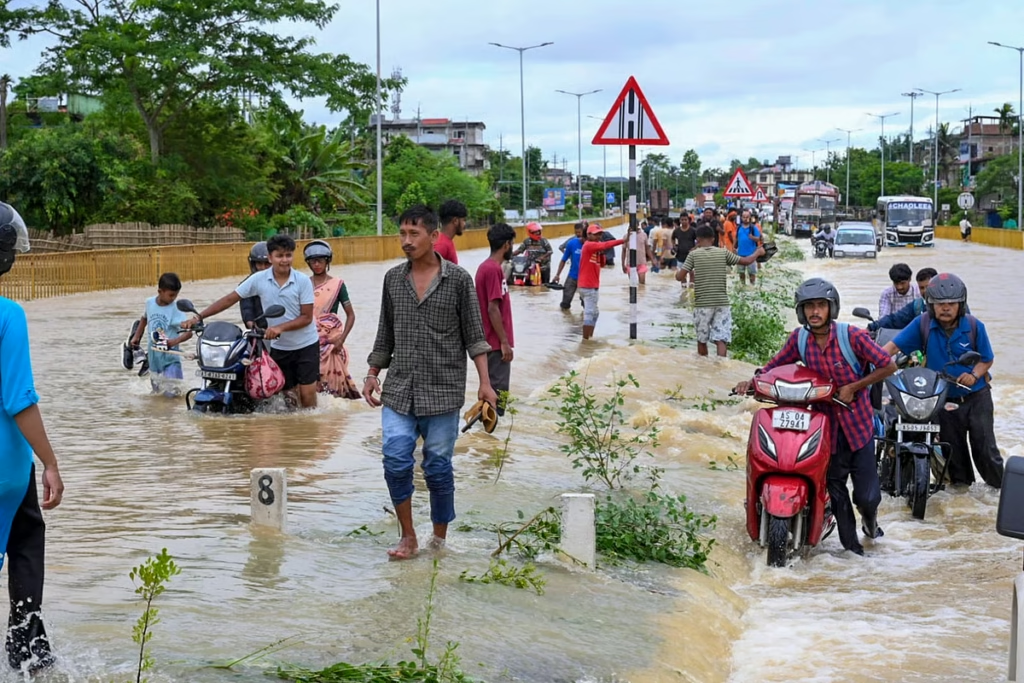
The Sivasagar floods have emerged as a major focus of Assam’s worsening flood crisis after reports indicated that 50 of the state’s 95 flood-related deaths occurred in the district. The figures highlight the severe impact of flooding on local communities and have intensified attention on rescue operations, evacuation systems, relief measures, and disaster preparedness.
Opposition Slams Himanta Biswa Sarma Government Over 95 Flood Deaths
Sivasagar’s reported share of the statewide casualties has also raised questions about the conditions that contributed to the high number of deaths. Moreover, residents in affected areas continue to face displacement, damaged homes, agricultural losses, disrupted transport, and difficulties accessing essential services.
However, casualty figures can change as authorities verify individual cases. Therefore, the reported numbers should remain subject to official confirmation while relief agencies continue supporting affected communities.
Sivasagar Accounts for 50 Reported Deaths
The reported figure of 50 deaths in Sivasagar represents more than half of Assam’s reported total of 95.
The concentration of fatalities has brought greater attention to the district’s flood conditions. Furthermore, authorities may need to examine evacuation arrangements, early-warning systems, rescue access, and the availability of safe shelters.
The reported numbers have consequently increased pressure for a detailed assessment of the disaster.
However, a high casualty figure alone cannot establish the cause of individual deaths or prove administrative failure.
Assam’s Total Reaches 95
The statewide reported death toll of 95 demonstrates the severity of the flood emergency.
Flooding can create risks through rapidly rising water, strong currents, damaged infrastructure, and limited access to emergency services. Additionally, isolated communities may face greater difficulty receiving timely assistance.
The rising casualty figure has therefore increased the urgency of rescue and relief operations.
However, officials may revise the total as verification continues across affected districts.
Why Sivasagar Faces Greater Risk
Several factors can influence the impact of flooding in a particular district.
Water levels, settlement patterns, road connectivity, river conditions, drainage capacity, and access to higher ground can all affect community safety. Moreover, rapidly changing conditions can reduce the time available for evacuation.
Authorities may therefore need to assess local vulnerabilities in detail.
However, the available casualty figure alone cannot identify a single reason for the reported deaths.
Evacuation Becomes a Key Concern
The reported fatalities have renewed attention on evacuation systems.
Authorities need timely information about rainfall, river levels, vulnerable settlements, and road conditions. Furthermore, residents need clear warnings and accessible evacuation routes when flooding threatens their communities.
Early evacuation can reduce exposure to dangerous conditions.
However, flooding can develop rapidly and make some routes inaccessible.
Rescue Teams Face Difficult Conditions
Floodwaters can make rescue operations especially challenging.
Emergency teams may need boats, specialised equipment, and accurate information about isolated communities. Additionally, damaged roads and bridges can prevent rescue vehicles from reaching affected areas.
Coordination between district officials and emergency agencies therefore remains important.
However, rescue personnel must also consider their own safety during dangerous conditions.
Relief Camps Support Displaced Residents
Residents unable to remain in flooded homes may move into relief camps or temporary shelters.
Authorities need to provide food, clean drinking water, medicines, sanitation, and safe accommodation. Moreover, officials must identify vulnerable residents and ensure that they receive appropriate assistance.
Effective camp management can reduce hardship.
However, increased displacement can quickly put pressure on available facilities.
Healthcare Access Remains Critical
Flooding can restrict access to hospitals and medical centres.
Residents may require emergency treatment, medicines, and care for existing health conditions. Furthermore, relief camps may require regular medical monitoring and access to healthcare professionals.
Authorities therefore need contingency plans for communities cut off by floodwaters.
However, medical needs vary between affected areas.
Agriculture Suffers Heavy Losses
Sivasagar’s agricultural communities can face serious economic damage during severe floods.
Water can destroy crops, livestock, stored produce, and agricultural equipment. Additionally, prolonged waterlogging can prevent farmers from returning to their fields and delay future cultivation.
The economic consequences can continue after floodwaters recede.
However, officials need detailed assessments before determining the full scale of agricultural losses.
Roads and Infrastructure Under Pressure
Floodwaters can damage roads, bridges, drainage systems, and other infrastructure.
When transport routes become inaccessible, residents may struggle to reach hospitals and markets. Moreover, relief teams can face delays when delivering essential supplies to isolated communities.
Infrastructure restoration will therefore become a major part of recovery.
However, permanent repairs may require safer conditions after floodwaters decline.
Political Attention Intensifies
The reported concentration of deaths has increased political scrutiny of the flood response.
Opposition leaders may question preparedness, relief distribution, embankment maintenance, and infrastructure planning. Furthermore, local representatives may seek detailed information about evacuation and rescue operations.
The issue could remain politically significant throughout the recovery period.
However, political criticism does not automatically establish negligence or wrongdoing.
Government Response Under Review
State authorities face pressure to provide accurate information about casualties and relief operations.
Officials can highlight rescue efforts, relief camps, emergency supplies, and coordination with disaster-management agencies. Additionally, authorities may request support from central agencies if local resources face significant pressure.
These measures will influence public confidence.
However, residents’ experiences remain an important indicator of the effectiveness of relief efforts.
Central Support Could Strengthen Relief
A large-scale disaster can require cooperation between state and central authorities.
National disaster-response agencies may provide specialised rescue personnel, equipment, medical assistance, and logistical support. Moreover, central resources can supplement state capabilities during major emergencies.
Such coordination can strengthen the response.
However, local administrations remain essential for identifying affected residents and distributing relief.
Compensation Becomes Important
Families affected by deaths, damaged homes, and lost livelihoods may require financial support.
Authorities can assess losses involving houses, crops, livestock, and other assets before determining eligible assistance. Furthermore, families affected by fatalities may require additional support during rehabilitation.
Transparent compensation can help households begin rebuilding.
However, eligibility depends on verified losses and applicable government guidelines.
Flood-Control Infrastructure Faces Questions
The reported deaths have renewed attention on flood-control measures.
Authorities may need to inspect embankments, drainage channels, vulnerable riverbanks, and other protective infrastructure. Moreover, officials may consider strengthening early-warning and community evacuation systems.
Such measures can reduce future risks.
However, infrastructure improvements require long-term planning and sustained investment.
Recovery Will Take Time
The flood crisis will continue affecting residents after water levels fall.
Families may need assistance repairing homes, restoring farms, replacing livestock, and returning to work. Additionally, public authorities may need to rebuild roads, bridges, health centres, schools, and other facilities.
Recovery could therefore take months.
However, the timeline will depend on the scale of damage across affected communities.
Conclusion
The reported 50 deaths in Sivasagar out of Assam’s statewide total of 95 have placed the district at the centre of the state’s flood crisis. The figures highlight the severe human impact of the disaster and raise renewed attention on evacuation, rescue operations, healthcare access, infrastructure, and relief management.
Moreover, authorities must verify casualty figures while ensuring that affected families receive timely assistance. At the same time, the concentration of fatalities could prompt closer examination of local flood preparedness and the effectiveness of emergency systems.
Overall, Sivasagar’s experience demonstrates the urgent need for coordinated disaster management. Accurate information, rapid relief, effective evacuation, infrastructure recovery, and stronger flood preparedness will remain essential as the district moves from emergency response toward long-term recovery.
FAQs
1. How many flood deaths have reportedly occurred in Sivasagar?
Reports referenced in this article indicate that 50 of Assam’s 95 reported flood-related deaths occurred in Sivasagar.
2. What is Assam’s reported flood death toll?
The reported statewide figure stands at 95, although officials may revise the number after further verification.
3. Why is Sivasagar receiving particular attention?
The district reportedly accounts for more than half of the statewide fatalities, increasing attention on local flood conditions and disaster preparedness.
4. What do affected families need?
Residents may require shelter, food, drinking water, healthcare, sanitation, compensation, and assistance restoring damaged homes and livelihoods.
5. What lessons could authorities draw from the crisis?
Authorities can review early-warning systems, evacuation routes, rescue capacity, flood-control infrastructure, relief arrangements, and community preparedness.