


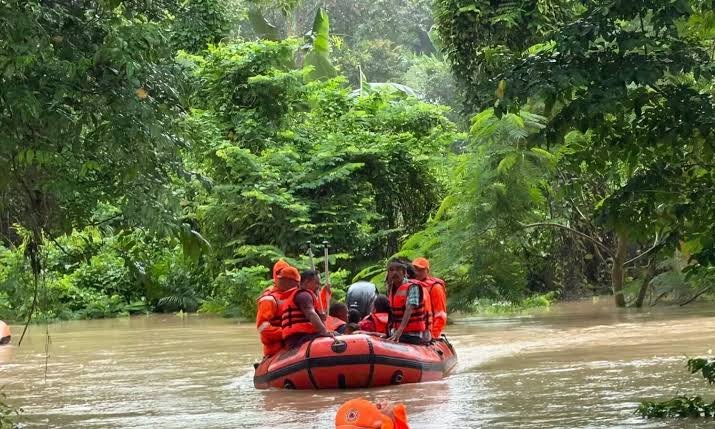
Sivasagar’s local administration has come under increased political and public scrutiny after Assam’s reported flood death toll reached 95. The rising casualty figure has intensified questions about disaster preparedness, evacuation measures, relief operations, and the administration’s ability to protect vulnerable communities.
Flooding has disrupted homes, roads, agricultural activity, and essential services across affected areas. Moreover, local authorities face pressure to maintain relief camps, deliver food and drinking water, provide medical assistance, and support families displaced by rising waters.
However, criticism of the administration does not by itself establish negligence or wrongdoing. Authorities must assess individual incidents and emergency decisions using verified information before drawing conclusions about responsibility.
Sivasagar Relief Camps Scrutinised After Assam Flood Toll Touches 95
Sivasagar Administration Faces Growing Scrutiny
The reported death toll has increased pressure on local officials in Sivasagar.
Residents and political representatives may seek explanations about evacuation arrangements, communication systems, rescue operations, and access to relief facilities. Furthermore, authorities must coordinate with district-level agencies as flood conditions change.
The situation has consequently placed local disaster management under greater attention.
However, flood emergencies can develop rapidly, making it important to assess administrative decisions against verified conditions at the time.
Flood Death Toll Raises Questions
The reported statewide death toll of 95 has intensified concern about the effectiveness of emergency measures.
Each fatality can raise questions about warning systems, evacuation routes, rescue capacity, and access to safe shelter. Additionally, affected families may seek information about government assistance and compensation.
These concerns can quickly become part of the political debate.
However, casualty figures may undergo verification as authorities continue assessing affected communities.
Relief Camps Become Central to Response
Relief camps provide critical support for residents who cannot remain safely in their homes.
Authorities need to ensure adequate food, clean drinking water, medicines, sanitation facilities, and temporary shelter. Moreover, officials must track camp populations and identify children, older residents, and other people who may require additional assistance.
Effective camp management can reduce hardship during prolonged displacement.
However, conditions can differ substantially between individual camps.
Evacuation Measures Face Attention
Timely evacuation can reduce risks when floodwaters rise rapidly.
Local officials need to monitor vulnerable areas and communicate warnings through reliable channels. Furthermore, rescue teams require appropriate transport and coordination to reach communities that become isolated.
Questions about evacuation can therefore become significant after fatalities occur.
However, the effectiveness of an evacuation decision depends on local weather, water levels, accessibility, and information available at the time.
Infrastructure Challenges Intensify
Flooding can severely affect local infrastructure.
Roads and bridges may become inaccessible, while damaged embankments or drainage systems can increase exposure to floodwaters. Additionally, disrupted transportation can delay emergency teams and prevent essential supplies from reaching affected communities.
Infrastructure resilience has therefore become part of the wider discussion.
However, severe flooding can overwhelm infrastructure even when authorities maintain existing systems.
Agricultural Communities Face Losses
Sivasagar’s rural communities can face serious economic consequences during flooding.
Farmers may lose crops, livestock, equipment, and access to agricultural fields. Moreover, prolonged waterlogging can delay recovery and increase financial pressure on households.
These losses can extend the effects of the disaster beyond the immediate emergency.
However, officials need detailed damage assessments before determining the full scale of agricultural losses.
Healthcare Services Remain Important
Flood emergencies can increase demand for medical support.
Relief camps and affected communities may require medicines, healthcare workers, emergency treatment, and access to referral facilities. Furthermore, authorities need to monitor risks associated with contaminated water and inadequate sanitation.
Timely healthcare can help reduce additional complications.
However, medical requirements vary according to the severity of flooding and the population affected.
Drinking Water and Sanitation Need Monitoring
Floodwaters can contaminate local water sources and disrupt sanitation systems.
Relief facilities need safe drinking water, functioning toilets, waste-management arrangements, and hygiene supplies. Additionally, officials must monitor crowded shelters to reduce public-health risks.
These services become particularly important when residents remain displaced for several days.
However, authorities may face logistical difficulties when roads and supply routes remain flooded.
Political Leaders Demand Accountability
The flood response has created an opportunity for opposition leaders and local representatives to question the administration.
They may demand information about emergency spending, evacuation plans, relief distribution, and infrastructure preparedness. Moreover, visits to affected communities can bring residents’ concerns directly into the political debate.
Such scrutiny can encourage greater transparency.
However, political criticism should remain separate from findings that require independent investigation.
Government Response Under Examination
The local administration can point to rescue operations, relief camps, emergency supplies, and coordination with disaster-response agencies.
Officials may also provide information about evacuation efforts and assistance to affected families. Furthermore, government agencies can use flood and casualty data to adjust relief operations.
These measures can shape public perceptions of administrative performance.
However, residents may continue to raise concerns if they experience shortages or delays.
Communication Becomes Critical
Clear communication can save lives during rapidly changing flood conditions.
Authorities need to provide timely information about water levels, evacuation advisories, shelter locations, and available assistance. Moreover, residents need reliable channels for reporting urgent needs.
Effective communication can reduce confusion during emergencies.
However, officials must counter misinformation without delaying important warnings.
Local Volunteers Support Relief Work
Community groups and volunteers can help authorities respond to emergencies.
They can distribute supplies, assist vulnerable families, and communicate local conditions to relief agencies. Additionally, residents often possess detailed knowledge of roads, waterways, and communities that become difficult to access during floods.
Local participation can strengthen emergency response.
However, volunteer activities work most effectively when they coordinate with official rescue and relief operations.
Compensation and Rehabilitation Matter
Families affected by deaths, displacement, and property damage may require support after the immediate crisis.
Authorities may assess losses involving homes, crops, livestock, and other assets before determining eligible compensation. Furthermore, displaced residents may need assistance to return home safely or rebuild damaged property.
Recovery can therefore remain an administrative challenge long after floodwaters decline.
However, compensation depends on official assessments and applicable government guidelines.
Long-Term Flood Preparedness Under Review
The crisis has renewed attention on Sivasagar’s long-term flood preparedness.
Officials may need to examine embankments, drainage systems, evacuation routes, warning mechanisms, and emergency shelters. Moreover, lessons from the current emergency could inform future disaster-management planning.
Such improvements can reduce risks during subsequent floods.
However, long-term resilience requires sustained investment and coordination.
Public Trust Faces a Test
Disaster response can influence public confidence in local institutions.
Residents often judge authorities through the availability of relief, speed of rescue operations, communication, and assistance after displacement. Additionally, transparent explanations of major decisions can reduce uncertainty.
Building public trust therefore requires both effective action and clear communication.
However, conclusions about administrative failure should rely on verified evidence.
Investigation Could Clarify Disputed Issues
If allegations of administrative failures persist, authorities may face demands for formal reviews.
An assessment could examine evacuation decisions, warning systems, relief distribution, emergency coordination, and other relevant factors. Furthermore, documented evidence could help distinguish unavoidable disaster impacts from preventable failures.
Independent review can therefore provide greater clarity.
However, any investigation should follow established legal and administrative procedures.
Conclusion
The Sivasagar local administration faces heightened scrutiny after Assam’s reported flood death toll reached 95, with attention focused on evacuation, rescue operations, relief camps, infrastructure, healthcare, and disaster preparedness. The crisis has increased pressure on officials to explain emergency decisions and ensure that affected families receive timely assistance.
Moreover, political criticism should remain distinct from established findings. Determining whether any administrative failure contributed to individual incidents requires verified evidence and, where appropriate, formal investigation. At the same time, residents’ concerns about relief and safety deserve prompt attention.
Overall, the Sivasagar response will be judged not only by emergency operations but also by the administration’s ability to support recovery and strengthen preparedness. Transparent communication, effective relief distribution, and careful review of the response could help restore public confidence as Assam moves toward recovery.
FAQs
1. Why is Sivasagar’s administration facing scrutiny?
The administration faces increased attention over evacuation, rescue operations, relief camps, infrastructure, and emergency preparedness following the reported rise in Assam’s flood death toll.
2. What is Assam’s reported flood death toll?
The reported toll referenced in this report has reached 95, although authorities may update figures as assessments continue.
3. Does criticism prove administrative negligence?
No. Political or public criticism does not establish negligence. Authorities would need verified evidence and, where appropriate, a formal investigation.
4. What are the main priorities in Sivasagar relief operations?
Key priorities include safe shelter, food, drinking water, healthcare, sanitation, evacuation support, and assistance for displaced families.
5. Could the flood response face a formal review?
It could if competent authorities determine that a review is necessary. Such an assessment could examine evacuation decisions, relief operations, infrastructure, and emergency coordination.