


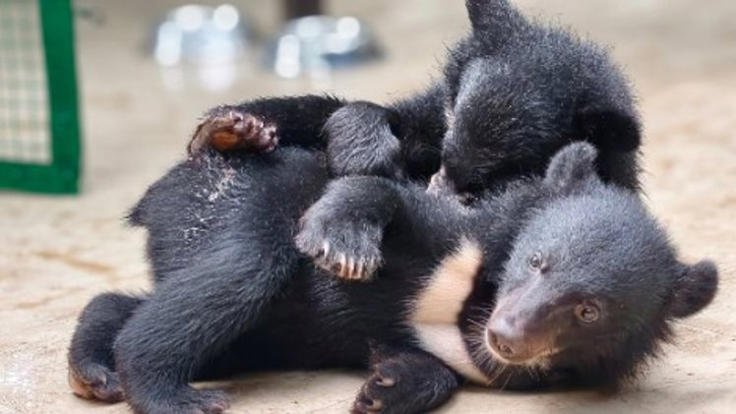
Three rescued Asiatic black bear cubs have begun their journey back to the wild in Arunachal Pradesh’s Pakke Tiger Reserve (PTR). The cubs spent months in specialised care after rescuers found them in separate incidents.
Wildlife officials and conservationists have now started a carefully planned rehabilitation process. The programme aims to prepare the young bears for independent life in their natural habitat.
The initiative marks another step in Arunachal Pradesh’s efforts to strengthen wildlife conservation and protect the state’s rich biodiversity.
Three Cubs Receive Specialised Care
The three bear cubs came under the care of the Pakke Tiger Reserve and the Wildlife Trust of India (WTI) after rescuers found them in different circumstances.
Officials moved the cubs to a rehabilitation facility. There, experts provided food, medical attention and other forms of care.
The rehabilitation programme focused on keeping human interaction to a minimum. This approach helps young wild animals retain natural behaviours and reduces their dependence on people.
Experts monitored the cubs closely as they grew stronger. They also observed their physical development and behaviour before beginning the next stage of rehabilitation.
Cubs Found Without Their Mothers
Young Asiatic black bears can face serious risks when they become separated from their mothers.
The three cubs arrived at the facility at different times. Their rescue followed incidents in which the animals were found without their mothers in forest areas.
Rescuers assessed the cubs before moving them into rehabilitation. Experts then developed care plans based on their age and condition.
The goal was not simply to keep the animals alive. The rehabilitation team wanted to prepare them to survive without human assistance.
Rehabilitation Focuses on Natural Behaviour
Wildlife rehabilitation requires careful planning. Animals must develop the skills they need before returning to their natural habitat.
The bear cubs received opportunities to climb, explore and search for food. These activities help young bears develop behaviours that they will need in the forest.
The rehabilitation team also limited unnecessary human contact. Staff avoided creating strong associations between the cubs and people.
This step remains important because animals that become too comfortable around humans can face difficulties after release.
Pakke Provides Suitable Forest Habitat
Pakke Tiger Reserve provides an important habitat for wildlife in Arunachal Pradesh.
The reserve covers large areas of forest and supports a wide range of species. Its landscape provides suitable conditions for several mammals, birds and other wildlife.
The Asiatic black bear is among the species found in the region.
The reserve’s forests offer natural food sources and shelter. These conditions make Pakke an important location for wildlife rehabilitation and conservation efforts.
Asiatic Black Bears Face Multiple Threats
Asiatic black bears face several threats across their range.
Habitat loss can reduce the availability of food and shelter. Human-wildlife conflict can also put bears and local communities at risk.
Young cubs face additional challenges when they lose their mothers.
Wildlife rescue centres can provide temporary support in such situations. However, conservationists stress that the long-term goal should remain the protection of natural habitats.
Protecting forests can reduce the need for animals to move into human settlements in search of food.
Experts Monitor the Cubs Before Release
The return of the three cubs to the wild follows several stages of preparation.
Experts monitor the animals to assess their health and behaviour. They also observe whether the cubs can find food and move around independently.
Such assessments help determine whether an animal is ready for release.
The process can take several months. The exact duration depends on the animal’s age, physical condition and behavioural development.
Rehabilitation teams must also consider the release location. They need to identify areas where the animals can find adequate food and shelter.
Reducing Human Dependence
One of the most important parts of bear rehabilitation involves reducing dependence on people.
Staff members provide care while avoiding unnecessary interaction. The cubs must gradually learn to behave like wild animals.
Experts encourage natural feeding and movement patterns. They also avoid activities that could make the animals dependent on humans.
This process increases the chances that the bears can adapt after release.
Conservation Groups Support Rehabilitation
The rehabilitation programme highlights cooperation between government wildlife authorities and conservation organisations.
The Wildlife Trust of India has worked with forest departments on wildlife rescue and rehabilitation projects across the country.
Such partnerships can provide specialised knowledge and resources. They can also help develop scientific approaches to animal rehabilitation.
In Arunachal Pradesh, these efforts support broader conservation goals in one of India’s most biodiverse regions.
Importance of Pakke Tiger Reserve
Pakke Tiger Reserve plays an important role in protecting Arunachal Pradesh’s wildlife.
The reserve is known for its diverse forests and wildlife population. It also forms part of the larger landscape of protected forests in the northeastern region.
Conservation efforts in Pakke focus not only on individual animals but also on protecting the ecosystems they depend on.
The successful rehabilitation of the three bear cubs therefore represents a wider conservation effort.
A Step Towards Life in the Wild
The return of the three bear cubs marks an important stage in their rehabilitation.
After months of care, the young bears are beginning their journey towards independent life in the forest.
Wildlife officials and conservationists will continue to monitor their progress as they adapt to their natural surroundings.
The effort demonstrates the importance of timely rescue, scientific rehabilitation and habitat protection.
As the cubs move closer to a life in the wild, their story also highlights the broader need to protect Arunachal Pradesh’s forests and the wildlife that depends on them.