


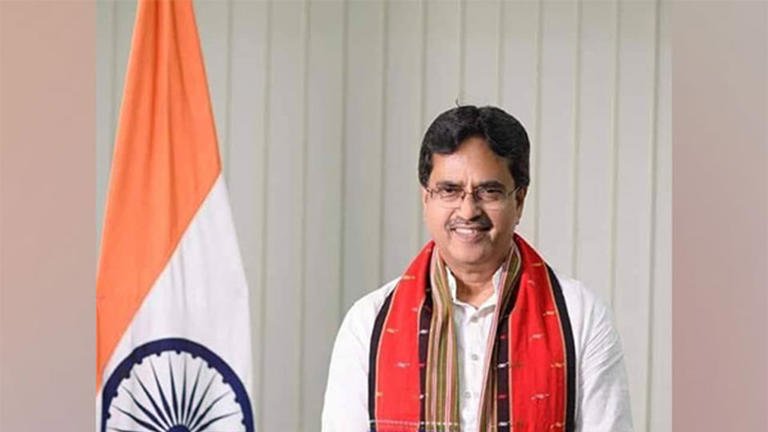
Tripura Chief Minister Manik Saha on Thursday stated that Tipra Motha is behaving like an opposition party despite being part of the ruling coalition. His remarks have brought fresh attention to the evolving dynamics within the state’s political alliance. The Tipra Motha opposition role has now become a key talking point in Tripura’s political landscape.
Read More: Tripura CM Manik Saha Strengthens Party Base at Santirbazar Event
CM Manik Saha’s Statement Sparks Debate
Addressing reporters, Manik Saha expressed concern over the public stance taken by Tipra Motha leaders. He pointed out that while the party holds positions in the cabinet, its leaders often make statements that resemble opposition criticism.
Saha said such behavior creates confusion among people. He added that a party in power should act responsibly and work collectively for governance. According to him, coalition partners must maintain coordination and clarity in their political approach.
The Chief Minister’s comments have triggered discussions across political circles. Observers believe the statement reflects underlying tensions within the alliance.
Tipra Motha’s Position in the Government
Tipra Motha, led by Pradyot Bikram Manikya Debbarma, joined the ruling alliance with the promise of addressing key regional demands. The party represents significant sections of indigenous communities and has been vocal about issues concerning their rights and development.
Despite being in the cabinet, Tipra Motha leaders have continued to raise demands publicly. These include constitutional safeguards and greater autonomy for indigenous areas. While these demands form the party’s core agenda, their approach has sometimes appeared confrontational.
This dual stance—being part of the government while voicing strong criticism—has led to the perception that Tipra Motha is functioning like an opposition force.
Coalition Politics and Challenges
Coalition governments often face challenges in maintaining unity among diverse partners. In Tripura, the alliance between the BJP and Tipra Motha was seen as a strategic move to strengthen governance and representation.
However, differences in political priorities can create friction. Saha emphasized that all partners must work together to ensure stability. He noted that public disagreements could weaken the government’s image.
At the same time, political analysts suggest that such tensions are not uncommon in coalition setups. Parties often try to balance governance responsibilities with their individual political identity.
Tipra Motha’s Stand on Key Issues
Tipra Motha has consistently raised issues related to indigenous rights. The party has been vocal about its demand for “Greater Tipraland,” which seeks constitutional solutions for indigenous communities.
Even after joining the government, its leaders have continued to highlight these demands. They argue that raising such issues is essential to represent their supporters effectively.
However, critics believe that such public statements should be handled more carefully when part of the ruling alliance. The Tipra Motha opposition role narrative has gained traction due to these repeated instances.
BJP’s Perspective on Alliance Discipline
From the BJP’s perspective, maintaining discipline within the alliance is crucial. Saha’s remarks underline the expectation that coalition partners should align with the government’s policies and messaging.
He stated that constructive discussions should take place within the government framework rather than through public criticism. This approach, he said, ensures smoother governance and avoids confusion among citizens.
The Chief Minister also reiterated that the government remains committed to addressing all legitimate concerns raised by its partners.
Political Implications Ahead
The ongoing debate over the Tipra Motha opposition role could have implications for Tripura’s political future. As elections approach in the coming years, alliance dynamics will play a crucial role.
If differences persist, they could impact voter perception. On the other hand, resolving these issues could strengthen the alliance and improve governance outcomes.
Political observers are closely watching how both parties navigate this situation. The balance between cooperation and independent positioning will be key.
Public Perception and Governance Impact
Public perception plays a vital role in politics. When a ruling partner appears to criticize the government, it can create mixed signals among voters.
Saha highlighted that such situations may affect the credibility of governance. He stressed the need for clear communication and unified action to maintain public trust.
At the same time, some sections of the public may view Tipra Motha’s stance as a sign of accountability. By raising issues openly, the party positions itself as a voice for its constituents.
Way Forward for the Alliance
The current situation calls for dialogue and coordination between alliance partners. Saha indicated that discussions would continue to ensure better alignment.
He emphasized that the government’s priority remains development and welfare. All partners, he said, must contribute positively towards these goals.
Moving forward, maintaining a balance between political expression and collective responsibility will be essential. Both parties will need to work together to avoid further friction.
Conclusion
The statement by Manik Saha on Tipra Motha acting like an opposition despite being in the cabinet has highlighted the complexities of coalition politics in Tripura. The Tipra Motha opposition role debate reflects broader challenges in aligning diverse political interests within a single government.
While differences are natural in alliances, effective communication and cooperation remain key to stability. As Tripura continues its development journey, the ability of its leaders to manage these dynamics will shape the state’s political and governance landscape.
Read More: Himanta Biswa Sarma predicts 90–100 seats for NDA in Assam