


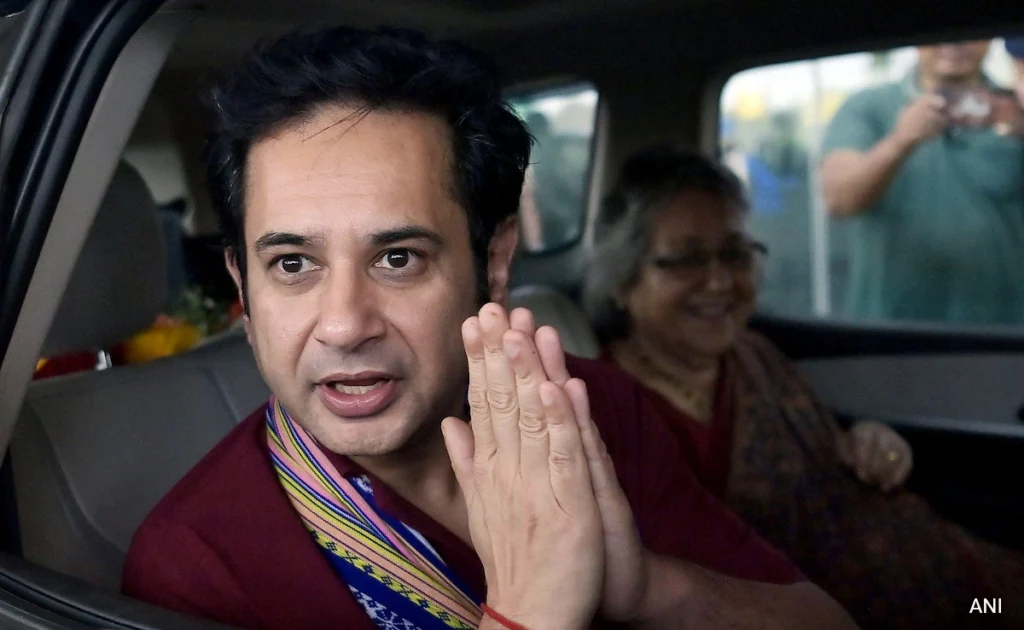
TIPRA Motha founder Pradyot Kishore Manikya Debbarma has maintained an independent electoral stance by rejecting seat-sharing arrangements ahead of Tripura’s grassroots polls. The decision places the party’s own organisational strength and political agenda at the centre of its election strategy.
The move comes as political parties prepare for contests across Tripura’s tribal areas. Moreover, TIPRA Motha’s decision could change electoral calculations for rival parties that may have expected broader coordination or negotiated arrangements.
Debbarma has continued to emphasise indigenous rights, constitutional safeguards, land protection, language, cultural identity, and political representation. However, the decision to avoid seat-sharing also carries electoral risks because multiple parties could compete for the same voter base.
Supreme Court Allows Kuki Legal Groups Access to Biren Singh Forensic Report
TIPRA Motha Chooses Independent Contest
TIPRA Motha’s decision to reject seat-sharing arrangements gives the party greater control over its electoral strategy.
The party can select its own candidates, determine its campaign priorities, and present its political agenda without accommodating another organisation’s demands. Furthermore, an independent contest allows TIPRA Motha to measure its grassroots support more directly.
This approach reinforces the party’s distinct political identity.
However, independent contests require strong organisation across every area where the party chooses to compete.
Pradyot Debbarma Maintains Political Position
Pradyot Debbarma has continued to argue that political cooperation should not come at the expense of TIPRA Motha’s core demands.
The party has highlighted constitutional safeguards, indigenous rights, land protection, language, and greater political representation. Additionally, Debbarma’s approach gives TIPRA Motha greater freedom to campaign around these issues.
The decision therefore reflects both electoral and political considerations.
However, the absence of a seat-sharing arrangement does not necessarily rule out future political discussions.
Seat-Sharing Rejection Changes Electoral Arithmetic
Rejecting seat-sharing can significantly alter the competitive landscape.
When multiple parties contest the same constituency, their combined vote bases can become divided. Moreover, closely contested elections can produce unexpected results when several candidates compete for overlapping support.
TIPRA Motha’s independent approach could therefore create more multi-cornered contests.
However, the actual impact will depend on the number of seats the party contests and the strength of its candidates.
Tribal Areas Remain TIPRA Motha’s Focus
TIPRA Motha has built much of its political identity around the concerns of Tripura’s indigenous communities.
Land security, cultural preservation, constitutional safeguards, and political representation remain central to the party’s message. Furthermore, maintaining an independent electoral position allows TIPRA Motha to present these issues without sharing campaign space with a larger political organisation.
The strategy could help the party reinforce its separate identity.
However, voters will also evaluate candidates on local development and governance.
Land Protection Remains Major Issue
Land protection is likely to remain a prominent campaign theme.
For many indigenous communities, land connects directly with livelihoods, cultural identity, and long-term security. Moreover, political debates surrounding land can influence broader discussions about development and settlement.
TIPRA Motha can use its independent campaign to keep these concerns at the forefront.
However, land-related issues differ across communities and require attention to local circumstances.
Language and Cultural Identity Matter
Language preservation adds another dimension to TIPRA Motha’s political agenda.
Indigenous languages play an important role in cultural continuity and community identity. Additionally, education and public administration can influence how effectively communities preserve and use their languages.
The party can therefore connect language policy with its wider demand for stronger indigenous safeguards.
However, cultural issues will compete with economic and development concerns during the campaign.
Development Could Challenge Political Messaging
Independent candidates and parties cannot rely solely on broader identity-based issues.
Voters may focus on roads, schools, healthcare, drinking water, electricity, employment, agriculture, and welfare programmes. Moreover, communities may judge candidates according to their ability to address immediate problems.
TIPRA Motha will therefore need to combine its constitutional agenda with practical local proposals.
However, the importance of individual development issues will vary from one village to another.
Ruling Parties Face New Competition
TIPRA Motha’s decision could increase pressure on rival parties.
Without a seat-sharing arrangement, competing organisations may have to prepare for more direct contests in areas where TIPRA Motha has an established support base. Furthermore, the possibility of vote division could force parties to reassess candidate selection and campaign strategies.
The ruling bloc may consequently face a more complicated electoral landscape.
However, local political alliances can still develop independently of formal statewide arrangements.
Candidate Selection Becomes Crucial
The decision to contest independently increases the importance of TIPRA Motha’s candidates.
Candidates with strong community relationships and local credibility could help the party maintain its support. Additionally, effective grassroots workers can strengthen voter outreach in areas where broader party resources are limited.
The party will therefore need careful candidate selection.
However, strong candidates alone cannot overcome every electoral disadvantage.
Independent Strategy Could Strengthen Bargaining Power
A successful independent campaign could give TIPRA Motha greater political leverage after the elections.
If the party wins a substantial number of seats, other organisations may have stronger incentives to negotiate with it in future political arrangements. Moreover, an independent electoral performance could demonstrate that TIPRA Motha can maintain support without relying on seat-sharing agreements.
That outcome could strengthen Debbarma’s position in future negotiations.
However, weak results could reduce the party’s bargaining power.
Vote Division Creates Electoral Risk
Independent contests also carry clear risks.
TIPRA Motha could divide votes with other parties that appeal to similar sections of the electorate. Furthermore, a rival candidate could benefit if several parties split the same support base.
This makes seat-sharing decisions strategically significant.
However, avoiding alliances can also help TIPRA Motha avoid compromising its political identity.
Grassroots Polls Provide Major Test
The upcoming local elections will offer a direct test of TIPRA Motha’s organisational strength.
The party will need to mobilise supporters, manage candidates, conduct local campaigns, and maintain voter outreach across numerous communities. Additionally, results could reveal where its support remains strong and where rival organisations have gained ground.
The elections could therefore influence the party’s future strategy.
However, village-level results do not automatically predict Assembly or parliamentary outcomes.
What the Decision Means for Future Alliances
Rejecting seat-sharing does not necessarily mean TIPRA Motha has permanently closed the door to future cooperation.
Political parties can reconsider alliances after assessing electoral results and changing political circumstances. Moreover, a strong performance could allow TIPRA Motha to negotiate future arrangements from a stronger position.
The current strategy therefore provides flexibility while preserving independence.
However, future cooperation would likely depend on the terms offered and the party’s assessment of its political interests.
Conclusion
TIPRA Motha’s decision to reject seat-sharing deals has placed the party firmly on an independent electoral path ahead of Tripura’s grassroots polls. Pradyot Debbarma’s approach allows the party to maintain control over candidate selection, campaign messaging, and its focus on indigenous rights and constitutional safeguards.
Moreover, the strategy could increase competition in tribal areas and create multi-cornered contests where several parties compete for overlapping voter support. At the same time, independent campaigning carries the risk of vote division and requires strong grassroots organisation.
Overall, the elections will determine whether TIPRA Motha’s decision to stand alone strengthens its political position or exposes the party to greater electoral competition. The results could also shape its bargaining power and approach to future political alliances in Tripura.
FAQs
1. Why did TIPRA Motha reject seat-sharing?
The party has chosen to maintain an independent electoral identity and retain control over its candidates, campaign messaging, and political priorities.
2. What issues will TIPRA Motha emphasise?
Indigenous rights, constitutional safeguards, land protection, language, cultural identity, political representation, and local development remain important themes.
3. Could rejecting seat-sharing hurt TIPRA Motha?
Yes. Contesting independently can increase the risk of vote division, particularly where several parties compete for the same voter base.
4. Could the decision strengthen the party?
Yes. A strong independent performance could demonstrate grassroots strength and improve TIPRA Motha’s bargaining position in future political negotiations.
5. Does rejecting seat-sharing end future alliances?
Not necessarily. Political parties can reconsider cooperation after elections depending on results, political circumstances, and the terms offered by potential partners.