


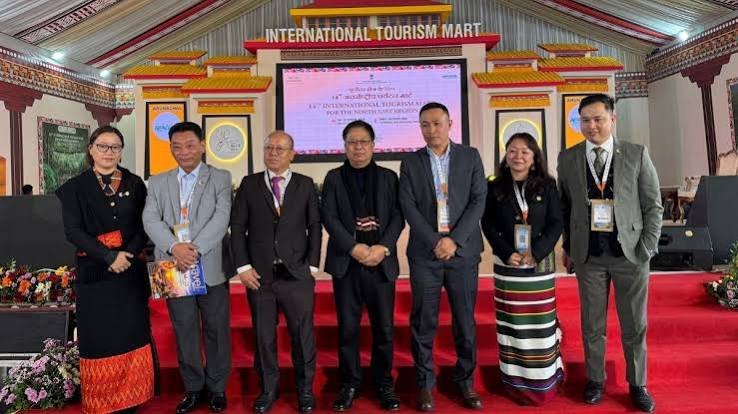
Tourism ministers from India’s eight northeastern states will meet in Tawang, Arunachal Pradesh, on October 30, 2026, to discuss regional cooperation and tourism development. Union Tourism and Culture Minister Gajendra Singh Shekhawat will chair the high-level meeting alongside the 14th International Tourism Mart (ITM). The gathering aims to strengthen coordination among Arunachal Pradesh, Assam, Manipur, Meghalaya, Mizoram, Nagaland, Sikkim and Tripura. It will also provide an opportunity to discuss joint tourism circuits, improve market access and promote the Northeast as a connected destination for domestic and international travellers.
Northeast Organic Spice Exports Gain Opportunities in European Markets
Regional Tourism Ministers Meeting to Focus on Cooperation
The Northeast regional tourism cooperation meeting will take place on the sidelines of the 14th International Tourism Mart, scheduled for October 29–31 at Hotel Vivanta in Tawang. The Union Ministry of Tourism is organising the event in association with the Arunachal Pradesh government and other northeastern states.
Union Minister Gajendra Singh Shekhawat will chair the meeting on October 30. Tourism ministers and representatives from the eight northeastern states will have a platform to discuss shared priorities and explore ways to strengthen regional collaboration.
The meeting comes as governments across the region seek to expand tourism opportunities beyond individual destinations. The Northeast offers a combination of Himalayan landscapes, wildlife, indigenous cultures, historical landmarks, religious sites and adventure activities. Coordinated promotion could help travellers discover several destinations during a single trip.
However, differences in infrastructure, transport connectivity and tourism facilities can make regional travel challenging. Therefore, cooperation among state governments will be important when developing travel circuits and coordinating promotional efforts.
The discussions are expected to focus on strengthening tourism development and enhancing cooperation between the states. While the meeting provides a platform for these discussions, specific decisions or new initiatives should be confirmed through official announcements.
The International Tourism Mart offers a suitable setting for the meeting because it brings government representatives together with tourism businesses, travel operators, buyers and other industry stakeholders. These participants can discuss how to turn regional attractions into accessible and commercially viable tourism experiences.
Moreover, a coordinated approach could help smaller destinations gain visibility alongside well-known attractions. States could promote complementary experiences, helping visitors explore the region’s cultural and natural diversity rather than limiting their trips to one location.
International Tourism Mart Brings Eight States Together
The Northeast regional tourism cooperation meeting forms part of a broader tourism promotion programme designed to connect the region with domestic and international markets.
The 14th International Tourism Mart is expected to attract more than 200 participants, including 43 international buyers representing 22 countries. Domestic buyers, sellers, tourism service providers and government representatives will also participate.
All eight northeastern states will present their tourism destinations and products during the event. These presentations will highlight each state’s distinctive attractions and experiences, along with opportunities to develop combined tourism circuits across state boundaries.
Arunachal Pradesh will have an opportunity to showcase Tawang’s Buddhist heritage, mountain scenery and cultural traditions. Assam can promote its wildlife destinations, tea gardens and cultural attractions, while Meghalaya offers waterfalls, caves and living-root bridges.
Manipur, Mizoram, Nagaland, Sikkim and Tripura also bring distinctive cultural traditions, landscapes and tourism experiences to the regional portfolio. Their participation will help demonstrate the range of travel opportunities available across the Northeast.
The event will also include business-to-business sessions on October 30. These meetings will connect domestic and international buyers with tourism service providers from the region, creating opportunities to develop partnerships and expand market access.
Such interactions can help local operators introduce their services to new buyers. Additionally, travel businesses may explore combined itineraries that connect cultural experiences, nature-based tourism, historical attractions and adventure activities.
The mart will also feature the North East Bazaar, showcasing traditional arts, handicrafts, textiles and regional cuisine. Cultural performances will introduce delegates to the traditions of the eight states.
These activities complement the ministerial meeting by placing regional culture and local businesses at the centre of tourism promotion. Nevertheless, lasting benefits will depend on whether the event leads to continuing partnerships and increased visitor interest.
Joint Tourism Circuits Could Expand Travel Opportunities
One important area for regional cooperation is the development of combined tourism circuits. These circuits can connect attractions across neighbouring states and encourage travellers to spend more time exploring the Northeast.
For example, a carefully planned itinerary could combine cultural sites in Arunachal Pradesh with wildlife and heritage destinations in Assam. Another route might connect Meghalaya’s natural attractions with cultural experiences in Nagaland or Mizoram, depending on transport links, travel time and visitor preferences.
Such itineraries require coordination on transport, accommodation, visitor information and tourism services. State governments and tourism operators can work together to provide clear travel information and help visitors understand entry requirements where applicable.
The regional meeting provides an opportunity to discuss these shared needs. Better coordination could also help tourism authorities promote lesser-known destinations and distribute visitor activity across more communities.
Furthermore, joint marketing could make the Northeast easier to promote internationally. Overseas buyers often look for travel products that combine several experiences within a manageable itinerary. Regional circuits can help tour operators offer a broader selection of attractions while making travel planning simpler for visitors.
However, the success of these circuits depends on practical considerations. Road conditions, flight connections, accommodation availability, seasonal weather and travel permissions can influence which destinations fit into a particular itinerary.
Responsible tourism must also remain a priority. Increased visitor numbers can create income opportunities for local communities, but destinations need appropriate waste management, environmental safeguards and respect for indigenous traditions.
Tourism development should therefore involve local communities, small businesses, guides, artisans and cultural organisations. Their participation can help ensure that tourism promotion reflects local priorities and creates wider economic opportunities.
The ministerial meeting could support these goals by encouraging states to identify common challenges and exchange approaches to tourism planning. Any future joint initiatives, however, will depend on the outcomes of the discussions and subsequent implementation by the relevant authorities.
Tawang Hosts Regional Meeting Amid Tourism Development Push
The Northeast regional tourism cooperation meeting will take place as Tawang hosts the International Tourism Mart for the first time since 2013. The return of the event after 13 years places the Arunachal Pradesh town at the centre of a regional tourism promotion programme.
Tawang is known for its historic monastery, Buddhist heritage, mountain landscapes and Monpa cultural traditions. Its attractions include Tawang Monastery, Jaswant Garh War Memorial, Jang Waterfall, Urgelling Gompa, Buddha Park and Pankang Teng Tso Lake.
Technical visits planned during the mart will give delegates first-hand exposure to destinations in and around the town. These visits can help tourism buyers assess local experiences and identify opportunities for future travel products.
The programme also includes technical discussions on developing the live-events and concert economy in the Northeast and facilitating tourist access to protected and restricted areas. A presentation by Royal Enfield, titled “Beyond Destinations: Creating Immersive Journeys in North East India,” will explore experience-based tourism.
These sessions reflect the range of issues that influence tourism development. Alongside destination marketing, the region must consider connectivity, permissions, visitor services and the development of distinctive experiences.
The event’s international participation could help local businesses establish contacts with overseas buyers. However, translating those contacts into bookings will require competitive travel packages, reliable services and sustained promotion after the mart concludes.
The regional meeting offers a parallel opportunity for governments to discuss common priorities. By aligning tourism promotion with practical improvements and responsible development, the states could strengthen the region’s position in domestic and international markets.
Ultimately, the value of the gathering will depend on the actions that follow. Continued cooperation, clear implementation plans and engagement with local stakeholders will be essential to turning discussions into tangible improvements for the Northeast’s tourism sector.
Conclusion
The Northeast regional tourism cooperation meeting is scheduled for October 30, 2026, in Tawang under the chairmanship of Union Tourism and Culture Minister Gajendra Singh Shekhawat. The meeting will bring together tourism ministers from the eight northeastern states alongside the 14th International Tourism Mart. Its central purpose is to strengthen regional cooperation and provide a platform for discussing tourism development across the region.
The International Tourism Mart will connect tourism businesses, government representatives and buyers from India and abroad. Destination presentations, business-to-business sessions and the North East Bazaar will showcase the region’s cultural heritage, natural attractions and tourism products. These activities could help develop joint travel circuits and create new opportunities for local tourism businesses.
However, lasting progress will require more than promotional events. States will need to coordinate transport, improve visitor services, support local enterprises and promote responsible tourism. The ministerial meeting provides an opportunity to discuss these priorities, while the implementation of future initiatives will determine their practical impact on tourism across the Northeast.
FAQs
1. When will the regional meeting of tourism ministers take place?
The meeting is scheduled for October 30, 2026, in Tawang, Arunachal Pradesh, alongside the 14th International Tourism Mart.
2. Who will chair the Northeast tourism ministers’ meeting?
Union Tourism and Culture Minister Gajendra Singh Shekhawat will chair the regional meeting.
3. Which states will participate in the meeting?
The meeting will bring together tourism ministers or representatives from Arunachal Pradesh, Assam, Manipur, Meghalaya, Mizoram, Nagaland, Sikkim and Tripura.
4. What is the main objective of the regional meeting?
The meeting aims to strengthen cooperation among northeastern states, discuss tourism development and explore opportunities to promote the region through coordinated tourism initiatives.
5. How could regional cooperation benefit tourism businesses?
Cooperation could help tourism operators develop combined travel circuits, reach new buyers, promote lesser-known destinations and build partnerships across state boundaries. The results will depend on implementation and continued coordination.