


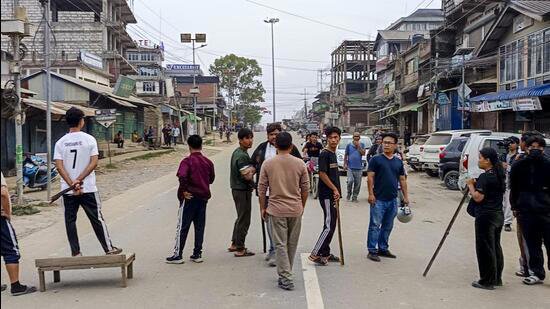
Fresh tension between Tangkhul Naga and Kuki groups in Manipur has once again highlighted the fragile ethnic situation in the hill districts of the state. The recent clashes, which triggered fear and uncertainty among local residents, have intensified concerns over security and inter-community relations in parts of Manipur already affected by prolonged unrest.
Authorities have increased security deployment in sensitive areas after reports of confrontation, road blockades, and growing hostility between members of the two communities. Officials said the administration is closely monitoring the situation to prevent further escalation.
The latest clashes have drawn attention because the Tangkhul Naga and Kuki communities have historically shared social, cultural, and geographic spaces in several hill districts of Manipur. However, recent developments linked to territorial influence, local disputes, and political tensions appear to have deepened mistrust between sections of the communities.
Read More: Arunachal Revokes Detention Orders After ST Bachao Andolan Bandh Withdrawal
Immediate Trigger Behind The Clashes
According to local sources and community representatives, the recent tension reportedly began after disagreements over territorial control and movement in certain areas of the hill districts. The situation worsened following allegations and counter-allegations between local groups.
Reports suggest that an altercation involving local volunteers and armed individuals escalated into a broader confrontation. Soon after, tensions spread to nearby villages, leading to heightened fear among residents.
Community leaders from both sides accused each other of provocation and aggressive actions. As rumours spread through social media and local networks, anxiety increased in sensitive regions.
Authorities responded by deploying additional security personnel to prevent violence from spreading further. Police and central security forces also intensified patrolling in vulnerable areas.
Officials stated that investigations are ongoing to determine the exact sequence of events that triggered the clashes.
Longstanding Ethnic Complexity In Manipur
Manipur has a long history of ethnic and territorial tensions involving different communities living in the state’s valley and hill regions. The recent Tangkhul Naga-Kuki clashes come at a time when the state continues to struggle with broader instability linked to ongoing ethnic conflict.
The Tangkhul Nagas mainly inhabit Ukhrul district and neighbouring hill regions. The Kuki community also has a significant presence across several hill districts in Manipur.
Over the years, issues related to land, political influence, identity, and administrative control have contributed to tensions among different groups in the state.
Political observers believe the current atmosphere of insecurity in Manipur has increased mistrust among communities. Minor disputes now carry the risk of escalating quickly because of the fragile situation on the ground.
Analysts also note that armed groups, local rivalries, and political uncertainty often complicate peace efforts in the hill districts.
Fear And Uncertainty Among Residents
The recent clashes have created panic among villagers living in sensitive areas. Many families fear that violence could spread if tensions continue to rise.
Local residents reported disruptions in transportation and daily activities following the clashes. Some villagers also expressed concern over movement restrictions and security operations in nearby regions.
Community organisations appealed for calm and urged people not to spread rumours or inflammatory messages on social media platforms.
Several civil society groups called on authorities to ensure the safety of civilians and prevent further confrontation between the communities.
Residents also urged the government to increase communication with local leaders and strengthen peace-building efforts in vulnerable districts.
Officials said the administration remains focused on maintaining law and order while ensuring essential services continue without disruption.
Security Forces Intensify Monitoring
After reports of clashes surfaced, security forces increased deployment in affected and nearby areas. Authorities conducted flag marches and patrols to reassure residents and discourage further violence.
Officials stated that police and central forces are working closely with local administrations to prevent escalation.
Checkpoints and surveillance measures have also been strengthened in several sensitive locations. Security agencies are monitoring social media activity and local communication networks to prevent the spread of misinformation.
Authorities appealed to citizens to cooperate with security personnel and avoid activities that may create panic or tension.
Officials said maintaining peace remains the immediate priority for the administration.
Community Leaders Appeal For Peace
Leaders from both Tangkhul Naga and Kuki organisations appealed for restraint following the clashes. Several groups urged communities to avoid retaliation and support peaceful dialogue.
Religious leaders and civil society organisations also stepped forward to encourage reconciliation efforts and reduce hostility between local groups.
Community representatives stressed that violence would only worsen the suffering of ordinary people already affected by instability in Manipur.
Peace advocates called for transparent discussions involving tribal organisations, local leaders, and government officials to address grievances and misunderstandings.
Some organisations also requested the state administration to facilitate confidence-building measures between communities.
Read More: Amit Shah, Vishnu Deo Sai Review Security Landscape After Maoist Decline
Observers believe grassroots dialogue and community engagement remain essential for reducing tension in sensitive areas.
Political And Administrative Challenges
The latest clashes present another challenge for the Manipur administration, which continues to deal with prolonged ethnic unrest in different parts of the state.
Political leaders have repeatedly appealed for peace and cooperation among communities. However, recurring incidents continue to expose the deep divisions and mistrust that persist in the region.
Experts believe the government faces the difficult task of balancing security measures with long-term reconciliation efforts.
Analysts also argue that political dialogue and inclusive decision-making remain necessary to address ethnic concerns in Manipur.
The recent Tangkhul Naga-Kuki confrontation has once again highlighted the complexity of social and territorial dynamics in the hill districts.
Need For Long-Term Peace Efforts
Many civil society organisations believe sustainable peace in Manipur will require continuous engagement between communities, stronger administrative coordination, and trust-building initiatives.
Experts say authorities must focus on conflict resolution, development, and communication to reduce the risk of repeated ethnic clashes.
Community leaders also stressed the importance of avoiding inflammatory narratives and promoting coexistence among different groups.
The recent clashes have reminded many residents of the fragile peace situation in Manipur. As security agencies continue monitoring the region, people across the state hope dialogue and restraint will prevent further escalation.
For now, the administration remains focused on restoring calm and ensuring that tensions between Tangkhul Naga and Kuki groups do not spiral into a larger conflict.