


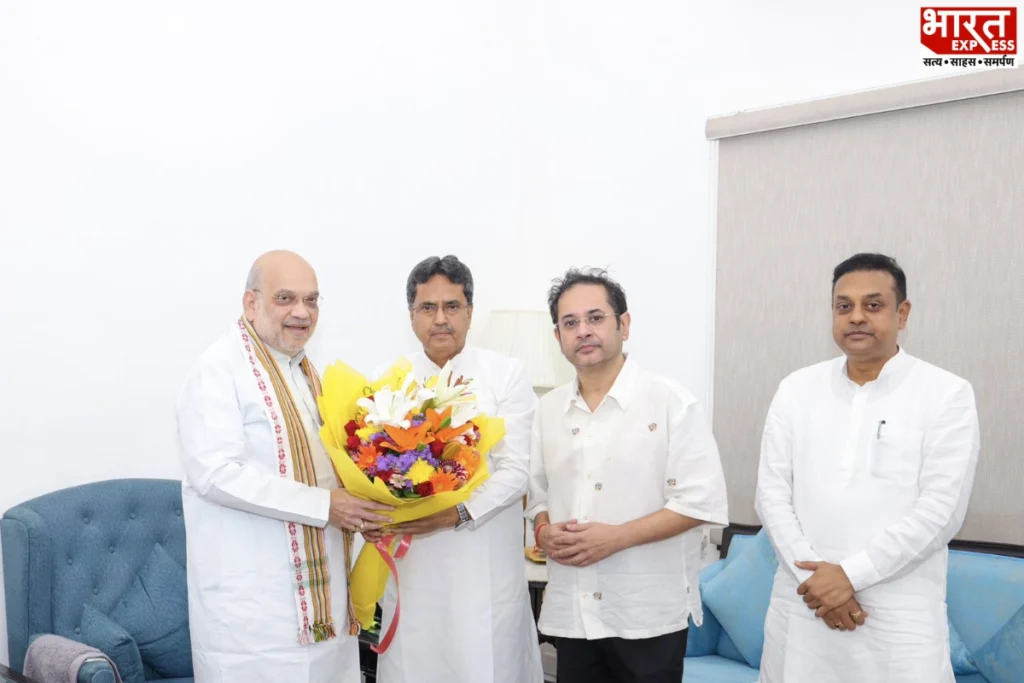
The Tripartite Agreement Implementation Phases have emerged as a key development following a high-level meeting in New Delhi. Union Home Minister Amit Shah met Tripura Chief Minister Manik Saha and Tipra Motha Party (TMP) chief Pradyot Debbarma to discuss the implementation of the 2024 Tripartite Agreement. Shah assured the Tripura leaders that the agreement concerning indigenous land and identity rights will receive full implementation. Moreover, the government plans to carry out the implementation through two distinct phases.
Tripura House Voter Verification Set for September 15 to October 14, 2026
Tripartite Agreement Implementation Phases Discussed
Union Home Minister Amit Shah held the meeting with Chief Minister Manik Saha and TMP chief Pradyot Debbarma in New Delhi. The discussions focused on the 2024 Tripartite Agreement and measures to implement its provisions.
Furthermore, the agreement addresses concerns linked to indigenous land and identity rights in Tripura. These issues have remained significant in the state’s political and social discourse.
Shah assured the leaders that the Centre will fully implement the agreement. However, the government will divide the implementation process into two distinct phases.
The phased approach could allow authorities to address different commitments in an organised manner. Therefore, the process may involve separate stages for examining, coordinating and executing the provisions covered by the agreement.
Meanwhile, the participation of both the state government and TMP leadership highlights the importance of coordination among the stakeholders involved in the agreement.
Two Phases Set for Agreement Implementation
The decision to implement the agreement in two phases provides a structured framework for moving forward. Each phase can focus on specific aspects of the commitments made under the 2024 agreement.
Moreover, phased implementation can allow authorities to address complex administrative and legal matters systematically. Issues involving land and identity rights often require coordination between different government departments and stakeholders.
The Centre’s assurance of full implementation also signals continued attention to the commitments contained in the agreement. Consequently, the next steps will depend on how authorities translate the broader assurances into concrete measures.
Additionally, the state government and TMP leadership will likely remain important participants in the implementation process. Their coordination can help address concerns raised by indigenous communities and ensure that the agreed provisions receive appropriate attention.
The two-phase approach therefore represents an important step from political agreement toward practical implementation. However, the effectiveness of the process will ultimately depend on the details and timeline of each phase.
Indigenous Land and Identity Rights Remain Central
Indigenous land and identity rights form a central component of the 2024 Tripartite Agreement. These issues carry particular importance in Tripura because of longstanding concerns surrounding the protection of indigenous communities and their interests.
Furthermore, discussions on land rights involve complex questions related to ownership, protection, administration and development. Therefore, implementing relevant provisions requires careful coordination and consideration of existing legal and administrative frameworks.
Identity-related concerns also remain important to indigenous communities. Language, culture, traditions and political representation contribute to the wider understanding of identity in the state.
Moreover, the agreement provides a framework for addressing these concerns through discussions between the Centre, Tripura government and representatives of the indigenous political movement.
The latest meeting consequently provides renewed momentum to the implementation process. Shah’s assurance of full implementation could help reinforce confidence among stakeholders awaiting progress on the agreement.
New Delhi Meeting Gives Implementation Fresh Momentum
The New Delhi meeting brought together key political figures associated with the agreement. Chief Minister Manik Saha represented the Tripura government, while Pradyot Debbarma participated as the TMP chief.
Their meeting with Amit Shah demonstrates the continued involvement of both the Centre and the state government in the implementation process.
Moreover, the decision to pursue two phases provides a clearer direction for the next stage. Authorities will need to determine the specific measures, responsibilities and timelines associated with each phase.
Meanwhile, continued communication among the stakeholders could help resolve potential administrative challenges. Regular consultations may also ensure that concerns from indigenous communities remain part of the implementation process.
The development could therefore have wider political significance in Tripura. The implementation of the 2024 agreement has remained an important issue, and progress could influence relations between the government and indigenous political stakeholders.
Consequently, attention will now shift toward the practical steps required to implement the agreement. The success of the process will depend on translating the latest assurance into measurable action across both phases.
Conclusion
The Tripartite Agreement Implementation Phases mark a new stage in efforts to fulfil the 2024 Tripartite Agreement concerning indigenous land and identity rights in Tripura. Union Home Minister Amit Shah assured Chief Minister Manik Saha and TMP chief Pradyot Debbarma that the agreement will receive full implementation through two distinct phases. Moreover, the New Delhi meeting has renewed focus on coordinated action and the practical execution of the agreement’s commitments.
FAQs
1. What is the Tripartite Agreement Implementation Phases plan?
The plan involves implementing the 2024 Tripartite Agreement concerning indigenous land and identity rights through two distinct phases.
2. Who attended the New Delhi meeting?
Union Home Minister Amit Shah met Tripura Chief Minister Manik Saha and Tipra Motha Party chief Pradyot Debbarma.
3. What does the 2024 Tripartite Agreement address?
The agreement addresses issues concerning indigenous land and identity rights in Tripura.
4. How will the agreement be implemented?
The Centre has assured stakeholders that it will fully implement the agreement through two distinct phases.
5. Why is the phased implementation significant?
A phased approach can provide a structured framework for addressing the agreement’s commitments and coordinating the required administrative measures.