


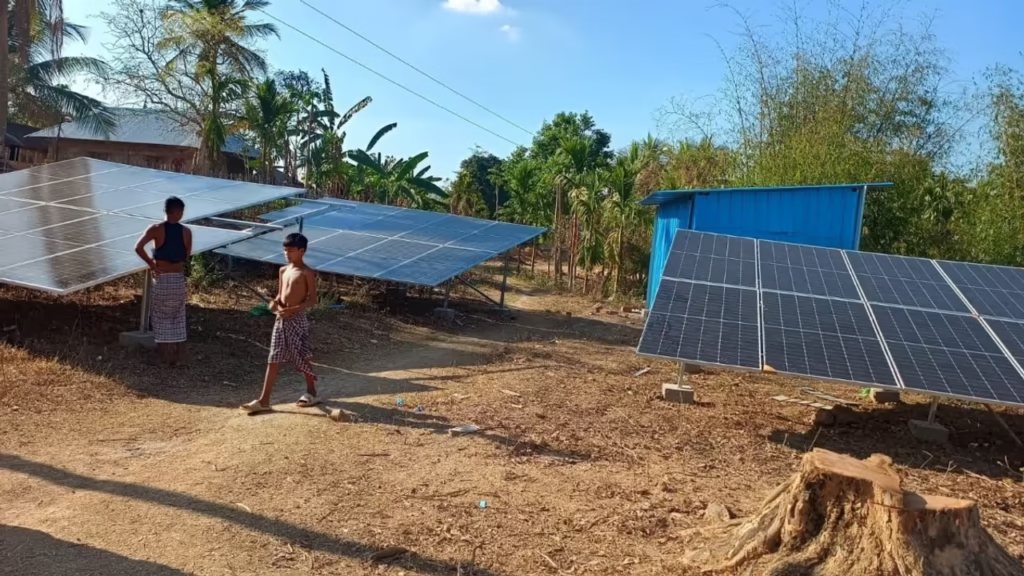
Tripura has crossed a major rooftop solar target, marking an important step in the state’s transition towards clean energy. The achievement has brought solar power access to thousands of households and increased attention on renewable energy adoption. Moreover, the progress highlights the growing role of rooftop installations in supporting sustainable electricity generation. By encouraging households to use solar energy, Tripura can reduce dependence on conventional power sources. The milestone also reflects the importance of expanding clean energy infrastructure across urban and rural areas. As adoption grows, rooftop solar could contribute further to the state’s long-term energy goals.
Assam: Five Workers Injured, One Missing After Explosion at Oil India Tank Farm
Tripura Crosses Major Rooftop Solar Target
Tripura’s achievement in surpassing a major rooftop solar target marks a significant development in its renewable energy journey. Thousands of households have gained access to clean electricity through rooftop solar installations.
The progress highlights growing interest in household-level solar power. Furthermore, rooftop systems allow residents to generate electricity using available roof space.
This approach can support decentralised power generation. Instead of depending entirely on electricity supplied through the conventional grid, households can produce part of their own energy.
The milestone also reflects the importance of government initiatives and public participation. Continued adoption will remain essential for expanding the benefits of rooftop solar across the state.
Thousands of Households Benefit from Solar Energy
Rooftop solar installations are bringing renewable energy opportunities to households across Tripura. Families can use sunlight to generate electricity for everyday requirements.
Moreover, solar systems can help households manage their electricity consumption. Depending on system capacity, usage patterns, and applicable policies, installations may reduce dependence on conventional grid power.
The benefits can extend beyond individual homes. Wider adoption can support cleaner electricity generation and encourage greater awareness of renewable energy.
However, installation costs, suitable rooftop space, maintenance, and technical support remain important considerations. Therefore, accessible information and reliable assistance can help more households adopt solar technology.
Rooftop Solar Supports India’s Clean Energy Goals
Tripura’s progress also contributes to India’s broader renewable energy ambitions. The country continues to promote solar power as an important part of its clean energy transition.
Rooftop installations offer a practical way to expand solar generation at the household level. Additionally, they can reduce the need for large land areas compared with some ground-mounted projects.
Government-supported programmes can encourage residential consumers to consider solar systems. These initiatives may include financial assistance, installation support, and simplified application procedures.
Consequently, public awareness and efficient implementation play important roles in increasing adoption. Tripura’s achievement highlights the potential of household participation in renewable energy expansion.
Economic and Environmental Benefits of Solar Power
Rooftop solar can offer several potential benefits to households and the wider environment. Solar systems generate electricity without directly producing air pollution during operation.
Furthermore, households may reduce their electricity expenses depending on system performance and applicable billing arrangements. Savings can vary according to installation costs, electricity consumption, and available incentives.
The renewable energy sector can also create opportunities for local technicians and installation businesses. In addition, maintenance services and equipment supply can support related economic activity.
However, long-term benefits depend on proper installation and regular maintenance. Reliable equipment and qualified technical support remain important for system performance.
Challenges in Expanding Rooftop Solar
Despite the progress, expanding rooftop solar across Tripura will require continued planning. Some households may face financial or technical barriers during installation.
For example, unsuitable rooftops, shading, and limited awareness can affect adoption. Moreover, residents may need assistance with applications, installation procedures, and system maintenance.
Reliable electricity connections and effective coordination with distribution agencies also matter. Therefore, clear guidance can help households understand the available options.
The state can further support adoption through public awareness campaigns and accessible technical services. Such measures may help extend solar benefits to more communities.
Future Scope for Renewable Energy in Tripura
Tripura’s rooftop solar milestone creates an opportunity to expand clean energy adoption further. More households could consider solar installations as awareness and access improve.
In addition, institutions and commercial buildings may explore rooftop systems to support their electricity needs. Wider adoption could strengthen the state’s renewable energy capacity.
The next phase will depend on implementation, public participation, and infrastructure support. Authorities and service providers will need to address practical barriers while maintaining installation standards.
Overall, the achievement highlights how household participation can contribute to a cleaner energy system.
Conclusion
Tripura’s success in surpassing a major rooftop solar target marks an important step towards renewable energy expansion. Thousands of households now have access to clean energy through rooftop installations. Moreover, the development highlights the potential economic and environmental benefits of household solar power. Continued public awareness, technical support, and accessible installation services will remain important. The state’s progress offers a foundation for wider clean energy adoption in the coming years.
FAQs
What is Tripura’s latest green energy achievement?
Tripura has surpassed a major rooftop solar target, extending clean energy access to thousands of households.
How many households have benefited?
Thousands of households have gained access to rooftop solar energy. An exact figure was not specified in the available information.
What is rooftop solar power?
Rooftop solar uses panels installed on building roofs to convert sunlight into electricity.
How can rooftop solar benefit households?
It can help households generate their own electricity and potentially reduce dependence on conventional grid power.
Does rooftop solar help the environment?
Yes. Solar power generates electricity without directly producing air pollution during operation.
What challenges affect rooftop solar adoption?
Installation costs, rooftop suitability, technical support, maintenance, and public awareness can influence adoption.