


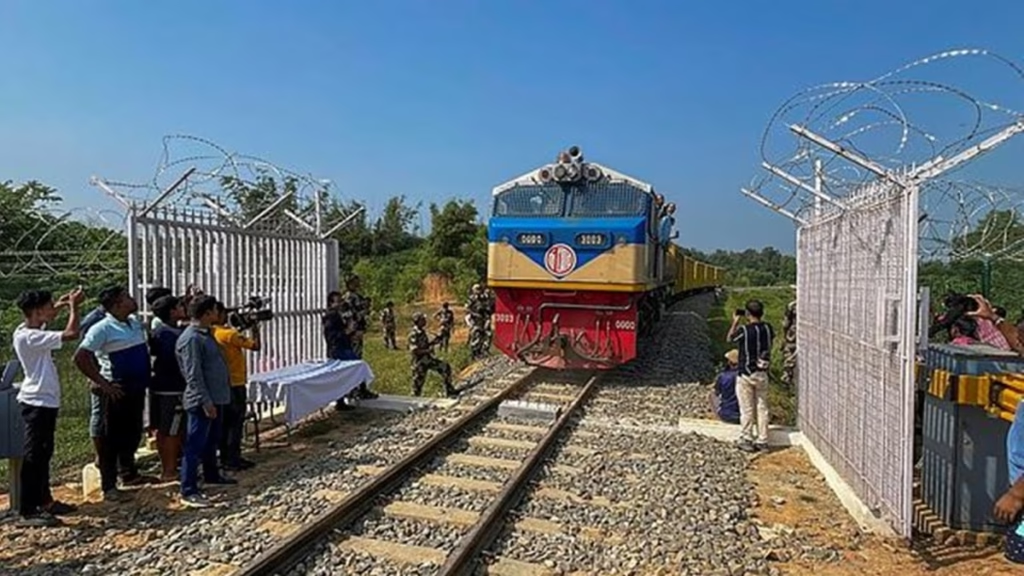
Tripura Akhaura rail link operations gained major attention after authorities confirmed significant growth in cross-border trade movement between Tripura and Bangladesh. The railway connectivity project between Agartala and Akhaura has strengthened transportation efficiency, cargo movement, and regional economic integration across the India-Bangladesh border corridor. Meanwhile, officials stated that the rail link could reshape commercial logistics patterns throughout Northeast India.
Aizawl Ropeway System Transforms Urban Transport Network
Assam Semiconductor Plant Launches Massive Tech Employment
Cross Border Railway Corridor Improves Trade Movement
Authorities confirmed that freight transportation and logistics activity increased steadily after railway connectivity between Agartala and Akhaura became operational. Additionally, officials explained that the corridor significantly reduced transportation time for goods moving between northeastern India and Bangladesh.
The railway connection reportedly improved access to seaports and commercial distribution routes linked to Bangladeshi logistics networks. Consequently, businesses in Tripura may now transport goods more efficiently to international markets through shorter trade corridors. Earlier, traders relied heavily on longer road routes passing through the narrow Siliguri Corridor.
Officials from Northeast Frontier Railway stated that the rail project represents an important milestone in regional connectivity development. Furthermore, authorities expect cargo transportation volumes to increase further during upcoming operational phases.
Governments Highlight Strategic Economic Importance
Senior representatives from Ministry of External Affairs and Bangladesh railway authorities attended meetings connected to the project’s expansion plans. Meanwhile, officials described the railway corridor as a major symbol of strengthening regional cooperation between India and Bangladesh.
Authorities explained that the rail connection supports broader trade integration and transportation modernization objectives. Specifically, the project may reduce freight costs for businesses operating in Northeast India. In addition, economic analysts believe the corridor could encourage investment in logistics, warehousing, and export-oriented industries.
Several business organizations welcomed the improved connectivity because transportation delays previously increased operational expenses. However, trade experts emphasized the need for efficient customs management and cargo handling systems at border checkpoints. Despite this, officials stated that modernization efforts continue at cross-border operational facilities.
Passenger And Cargo Services Expected To Expand
The Tripura Akhaura rail link currently supports growing freight movement while authorities continue reviewing expanded passenger operations. Additionally, railway officials stated that upgraded station infrastructure and customs coordination systems remain under active development.
Transportation planners explained that the rail corridor may strengthen movement of agricultural products, construction materials, and industrial goods across the region. As a result, businesses could gain faster delivery schedules and lower transportation costs. Furthermore, authorities indicated that tourism-related passenger movement may also increase through improved railway connectivity.
Railway experts noted that international rail links often stimulate commercial growth around connected urban centers. Therefore, Agartala and surrounding districts may witness increased economic activity linked to logistics and trade services.
Meanwhile, traders in Tripura expressed optimism regarding future export opportunities through Bangladesh’s transportation network. Several local business owners also expect reduced dependence on long-distance overland transportation routes.
Northeast Connectivity Strategy Gains Momentum
Officials stated that the railway project aligns with India’s broader Act East policy and northeastern infrastructure expansion strategy. Consequently, authorities continue prioritizing transportation projects aimed at improving regional integration and international connectivity.
Earlier, multiple road, railway, and inland waterway initiatives emerged across Northeast India to strengthen links with neighboring countries. At the same time, policymakers promoted cross-border economic cooperation involving Bangladesh and other South Asian partners.
Infrastructure experts stated that Tripura’s geographic position offers strategic advantages for regional trade development. Moreover, improved railway access may strengthen economic integration between northeastern states and international markets.
Government representatives also highlighted the project’s importance for reducing logistical isolation in Northeast India. Specifically, alternative transportation routes through Bangladesh could improve supply chain resilience during emergencies or infrastructure disruptions elsewhere.
Border Infrastructure Modernization Continues
Authorities confirmed that customs infrastructure and cargo management systems near the railway corridor continue receiving operational upgrades. Additionally, officials stated that digital tracking mechanisms and modern freight handling facilities may improve cross-border efficiency further.
The railway connection reportedly includes upgraded signaling systems, reinforced tracks, and integrated security monitoring infrastructure. Consequently, authorities expect smoother operational coordination between Indian and Bangladeshi railway agencies. Furthermore, transportation officials continue discussing future expansion opportunities involving additional freight terminals and logistics hubs.
Security agencies also increased coordination regarding customs supervision and cargo monitoring along the border corridor. Meanwhile, officials emphasized that improved trade connectivity must operate alongside strong regulatory oversight and transportation security measures.
Several transportation analysts stated that modern railway infrastructure remains essential for long-term regional trade competitiveness. However, experts also stressed the need for sustainable operational planning and regular infrastructure maintenance.
Economic Impact Extends Beyond Trade
The Tripura Akhaura rail link may generate broader economic benefits beyond cargo transportation alone. Additionally, authorities expect stronger connectivity to influence tourism, hospitality, and small business development across Tripura.
Hospitality operators in Agartala indicated that improved international transportation links could attract more visitors and business travelers. Consequently, tourism-related sectors may experience increased commercial opportunities in the future. Furthermore, regional planners believe transportation modernization may encourage urban infrastructure growth around railway zones.
Educational institutions and business associations also welcomed the project because stronger international connectivity may support academic exchanges and regional cooperation activities. In addition, development experts observed growing investor interest in logistics and transportation projects throughout Northeast India.
Meanwhile, local residents near railway areas reported increased commercial movement following expanded operational activity. Authorities stated that future development phases may create additional employment opportunities linked to rail logistics and support services.
Future Expansion Plans Remain Under Review
Government officials confirmed that additional operational enhancements remain under consideration for the railway corridor. Specifically, authorities continue evaluating proposals involving expanded freight services, passenger scheduling, and integrated customs processing systems.
Experts believe regional trade connectivity will remain central to Northeast India’s economic development strategy. Furthermore, stronger transportation infrastructure may improve export competitiveness and commercial integration across South Asia over time.
The Tripura Akhaura rail link represents a major infrastructure achievement for India-Bangladesh regional cooperation. Ultimately, officials expect the project to strengthen trade movement, improve logistics efficiency, and support long-term economic growth across Tripura and neighboring regions.
FAQs
What is the Tripura Akhaura rail link?
The railway corridor connects Agartala in India with Akhaura to improve cross-border transportation and trade.
Why is the railway link important?
Officials stated that the corridor reduces transportation time, lowers freight costs, and improves trade connectivity between Northeast India and Bangladesh.
Which organization operates the rail project?
Northeast Frontier Railway manages railway operations connected to the project alongside Bangladeshi authorities.
How may businesses benefit from the railway connection?
Businesses may gain faster cargo movement, improved export access, and lower logistics expenses through shorter transportation routes.
Does the project support passenger travel?
Authorities are reviewing expanded passenger operations while cargo transportation services continue increasing across the corridor.
What does Tripura Akhaura rail link mean for Northeast India?
Tripura Akhaura rail link may strengthen regional trade integration, improve connectivity, and support long-term economic development across Northeast India.