


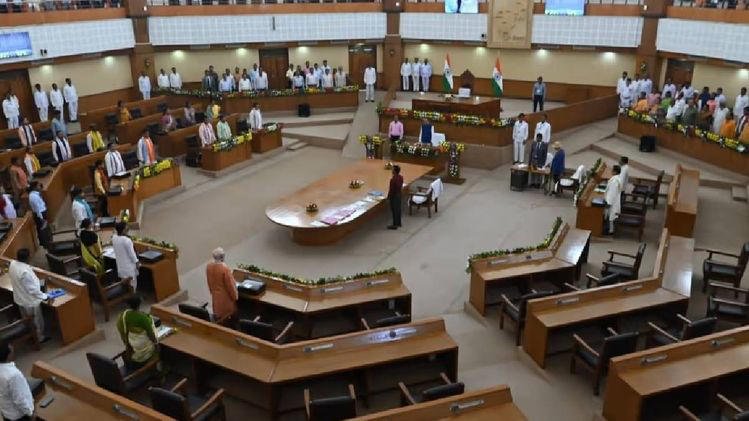
The Tripura Assembly session cut short decision has drawn attention across the state’s political landscape, as the ongoing session will now conclude on March 23 instead of its originally scheduled duration. The move comes amid a mix of legislative priorities, time constraints, and political developments that have influenced the functioning of the House.
Officials confirmed that the revised schedule was finalized after consultations between the government and legislative authorities. As a result, the session will see a compressed timeline for discussions, debates, and the passage of key bills.
Read More: BJP Alliance Assam Campaign Launch on March 24 Ahead of Polls
Reasons Behind the Shortened Session
The decision to shorten the Assembly session is being attributed to multiple factors. Firstly, the government has already completed several important legislative tasks during the initial days of the session. Therefore, officials believe that extending the session further may not be necessary.
Additionally, logistical considerations and administrative planning have also played a role in the decision. With several political and governance-related activities lined up in the coming weeks, the government opted to conclude the session earlier than planned.
Moreover, sources suggest that the intensity of debates and limited pending business contributed to the decision. While some opposition leaders have raised concerns, the ruling side maintains that the essential agenda has been adequately addressed.
Key Discussions and Legislative Business
Despite the shortened schedule, the Assembly session has witnessed significant discussions on various issues concerning the state. MLAs actively participated in debates related to development projects, public welfare schemes, and administrative policies.
Importantly, topics such as infrastructure development, employment generation, and law and order were raised during the proceedings. The government responded by outlining its initiatives and future plans to address these concerns.
Furthermore, several bills and proposals were introduced and discussed during the session. The government ensured that priority legislation received adequate attention before the revised closing date.
Opposition Voices Concerns
The opposition has expressed dissatisfaction with the decision to cut the session short. Leaders from opposition parties argued that reducing the number of sittings limits opportunities for comprehensive discussions on critical issues.
They also claimed that several matters of public importance require more time for debate and scrutiny. Therefore, the opposition has urged the government to ensure greater transparency and inclusiveness in legislative functioning.
However, the ruling party has countered these claims by stating that sufficient time was provided for discussions. According to government representatives, the focus remains on efficiency and productivity within the Assembly.
Government Defends Its Decision
The Tripura government has defended the move, stating that the decision was taken after careful consideration of the legislative agenda. Officials emphasized that the primary objective is to ensure effective governance while maintaining a structured schedule.
They also pointed out that many key issues were already deliberated upon during the session. As a result, the early conclusion does not compromise the quality of legislative work.
Additionally, the government highlighted its commitment to addressing public concerns through alternative platforms, including administrative meetings and outreach programs. This approach aims to ensure that governance continues smoothly even outside the Assembly.
Political Implications Ahead of Future Elections
The decision to shorten the Assembly session may have broader political implications, especially with future elections on the horizon. Both the ruling party and opposition are likely to use the development to strengthen their narratives.
On one hand, the BJP-led government may project the move as a sign of efficiency and effective management. On the other hand, opposition parties could highlight it as a missed opportunity for deeper democratic engagement.
Therefore, the issue is expected to remain part of the political discourse in the coming months. As parties prepare for future electoral battles, legislative decisions such as this will play a role in shaping public perception.
Focus on Governance Beyond the Assembly
Even as the session concludes on March 23, the focus of the Tripura government will remain on governance and development. Officials have reiterated their commitment to implementing policies and schemes aimed at improving the quality of life for citizens.
Key areas of focus include infrastructure expansion, employment opportunities, healthcare services, and education. The government is also expected to continue its outreach efforts to ensure that benefits reach the grassroots level.
Meanwhile, administrative departments are gearing up to execute ongoing projects and introduce new initiatives in line with the state’s development goals.
Conclusion
The Tripura Assembly session cut short decision marks a notable development in the state’s legislative calendar. While it has sparked debate between the ruling party and opposition, the government maintains that the essential business of the House has been completed.
As the session draws to a close on March 23, attention will now shift to governance and political strategies in the months ahead. With evolving political dynamics and upcoming challenges, Tripura’s leadership will need to balance administrative efficiency with inclusive decision-making to meet public expectations.
Read More: Himanta Sarma Jalukbari Election: Big BJP Move Ignites Election Battle