


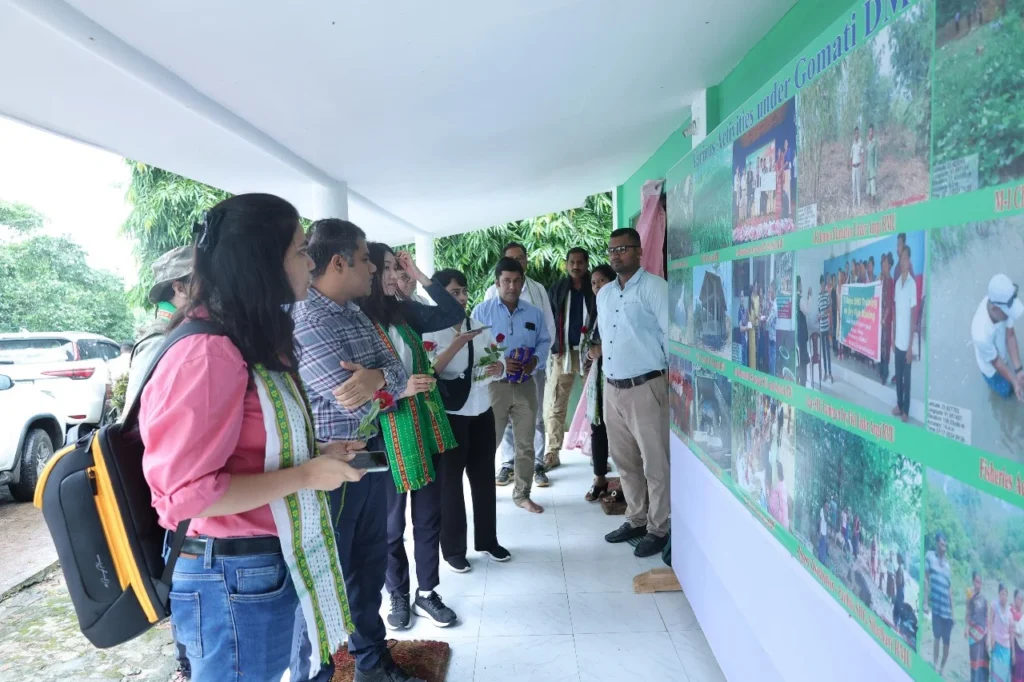
Tripura Biodiversity Conservation Initiative gained renewed attention as the Governor of Tripura participated in state-level events marking the International Day for Biological Diversity and highlighted the importance of protecting ecological resources for future generations. During the programme, attention focused on the state’s nearly 60% green cover and ongoing efforts to restore degraded forest areas through new Geographic Information System (GIS) mapping initiatives. Additionally, officials emphasized that conservation planning remains closely linked to sustainable development and environmental resilience.
Tripura Board Exam Results Pass Rates Announced
Tripura Lightning Strike Claims Two Lives
State Observes International Day For Biological Diversity
Tripura joined global observances of the International Day for Biological Diversity through events focused on environmental awareness, forest protection, and ecosystem sustainability. During the programme, officials underlined the role of biodiversity in maintaining ecological balance and supporting long-term development goals.
The Governor highlighted that biodiversity conservation extends beyond preserving wildlife and includes protecting natural habitats, water systems, and forest landscapes. Consequently, the event served as an opportunity to reinforce awareness regarding environmental responsibility.
Public participation and institutional involvement also reflected growing attention toward conservation priorities across the state.
Governor Highlights Strong Green Cover
During the celebrations, emphasis was placed on Tripura’s extensive forest presence, with officials noting that around 60% of the state remains under green cover. This figure was presented as an important environmental asset and a foundation for future ecological planning.
Additionally, maintaining healthy forest systems continues to support climate resilience, soil protection, and habitat preservation. Therefore, authorities stressed the importance of balancing development objectives with conservation commitments.
Tripura Biodiversity Conservation Initiative was presented as part of broader efforts to strengthen environmental stewardship while maintaining sustainable growth.
GIS Mapping To Support Forest Restoration
One of the key areas discussed during the event involved the use of GIS-based mapping to identify and restore degraded forest lands. Authorities stated that technology-driven environmental monitoring can improve planning and support more targeted restoration efforts.
Furthermore, GIS tools allow agencies to assess land conditions and track ecological changes with greater accuracy. As a result, restoration programmes may become more efficient and data-driven over time.
Officials noted that integrating technology with environmental management remains an increasingly important part of conservation policy.
Restoring Degraded Forest Areas Gains Priority
Forest restoration efforts received special attention during the event as authorities outlined plans to improve ecological health in degraded zones. Additionally, restoring damaged landscapes is expected to support biodiversity, strengthen ecosystem services, and improve environmental sustainability.
Conservation experts often view restoration as an important complement to forest protection measures. Therefore, initiatives increasingly focus not only on preservation but also on regeneration and long-term land recovery.
Tripura Biodiversity Conservation Initiative highlighted how restoration planning and environmental monitoring can work together to support stronger ecological outcomes.
Biodiversity Linked To Sustainable Development
Officials stated that biodiversity conservation remains connected to agriculture, climate resilience, and community wellbeing. Healthy ecosystems continue supporting livelihoods, natural resources, and environmental stability across regions.
Moreover, environmental planning increasingly considers long-term ecological impacts while designing development strategies. Consequently, conservation activities are being integrated into broader policy discussions.
Authorities emphasized that awareness campaigns and institutional coordination remain important for maintaining progress in environmental protection.
Public Awareness And Environmental Participation
The observance also highlighted the importance of public engagement in protecting biodiversity and natural landscapes. Educational outreach and community participation were encouraged as tools for strengthening environmental responsibility.
Additionally, environmental programmes often achieve stronger outcomes when awareness efforts accompany technical interventions. Therefore, state events continue to promote understanding of conservation goals among different sections of society.
Tripura Biodiversity Conservation Initiative also reflected efforts to encourage long-term participation in protecting ecological resources.
Technology And Conservation Expected To Expand
Authorities indicated that environmental management may increasingly rely on modern tools and structured monitoring systems in the future. Consequently, mapping technologies and restoration strategies could play a larger role in improving conservation outcomes.
The event highlighted how ecological protection and technological innovation can operate together to strengthen planning capacity. Meanwhile, continued focus remains on maintaining existing forest resources while improving degraded areas.
Observers noted that combining environmental policy with scientific tools may contribute to more effective conservation practices over time.
Conclusion
Tripura Biodiversity Conservation Initiative became a central theme during International Day for Biological Diversity events attended by the Governor, with attention focused on the state’s 60% green cover and new GIS-based forest restoration efforts. Authorities emphasized that protecting biodiversity and restoring degraded landscapes remain important priorities for sustainable environmental development and future ecological resilience.
FAQs
Why was the International Day for Biological Diversity observed?
The event focused on promoting biodiversity awareness and strengthening conservation efforts.
What environmental feature was highlighted during the programme?
Officials highlighted that Tripura has around 60% green cover.
What technology was discussed during the event?
GIS mapping initiatives were discussed to support forest restoration and environmental monitoring.
What is the purpose of restoring degraded forest land?
Restoration aims to improve ecological health and strengthen biodiversity.
Why is biodiversity important?
Biodiversity supports environmental balance, sustainability, and ecosystem resilience.
What does Tripura Biodiversity Conservation Initiative represent?
Tripura Biodiversity Conservation Initiative reflects the state’s focus on conservation, forest restoration, and technology-driven environmental management.