


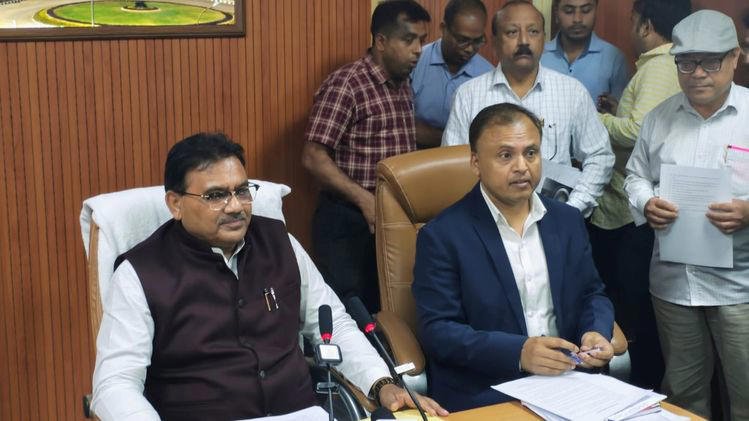
Tripura budget 2026–27 was presented with a total outlay of Rs 34,212 crore, marking a deficit budget while maintaining a relief stance for taxpayers. The state government chose not to impose any new taxes, aiming to balance economic growth with public welfare.
The budget reflects a strategic approach that prioritizes development without increasing the financial burden on citizens. Chief Minister Manik Saha-led government emphasized fiscal discipline while ensuring continued investment in key sectors.
The announcement has drawn attention for its dual focus on economic stability and social welfare, especially at a time when states across India are navigating financial constraints.
No New Taxes: Relief for Citizens
One of the most significant highlights of the Tripura budget 2026–27 is the decision to avoid introducing new taxes. This move comes as a major relief for residents, businesses, and small traders who have been dealing with rising costs.
By maintaining the existing tax structure, the government aims to encourage consumption and support economic activity. Additionally, it sends a positive signal to investors and entrepreneurs looking for stable policy environments.
Officials stated that the government will instead focus on improving tax collection efficiency. Therefore, revenue generation will rely on better compliance rather than increased taxation.
Focus on Infrastructure Development
The budget allocates a substantial portion of funds toward infrastructure development. Roads, bridges, and urban facilities remain key priorities as the government seeks to improve connectivity across the state.
Investment in infrastructure not only boosts economic growth but also creates employment opportunities. Moreover, improved connectivity helps integrate remote areas into the mainstream economy.
The government has also emphasized the development of smart urban infrastructure. This includes better drainage systems, housing projects, and public amenities that enhance the quality of life.
Strengthening Social Welfare Schemes
Social welfare continues to be a cornerstone of the Tripura budget 2026–27. The government has allocated funds for various schemes targeting women, children, farmers, and economically weaker sections.
Programs related to healthcare, education, and food security have received increased attention. As a result, vulnerable populations are expected to benefit from improved services and support systems.
The government also aims to expand existing welfare initiatives to reach more beneficiaries. This reflects a commitment to inclusive growth and social equity.
Boost to Healthcare and Education
Healthcare and education sectors have received significant allocations in the budget. The government plans to upgrade hospitals, enhance medical facilities, and recruit more healthcare professionals.
In education, efforts will focus on improving school infrastructure, digital learning, and teacher training. These measures aim to provide quality education and prepare students for future opportunities.
Furthermore, the integration of technology in both sectors will play a crucial role. It ensures better service delivery and improved outcomes.
Agriculture and Rural Development
Agriculture remains a vital part of Tripura’s economy, and the budget includes provisions to support farmers. Financial assistance, irrigation projects, and modern farming techniques are key focus areas.
The government also plans to strengthen rural infrastructure. Better roads, electricity, and water supply will improve living conditions in villages.
Additionally, initiatives to promote allied activities such as fisheries and animal husbandry are expected to boost rural incomes. This holistic approach supports sustainable development.
Fiscal Discipline Amid Deficit
Despite presenting a deficit budget, the government has emphasized fiscal responsibility. Efforts will be made to manage expenditure efficiently and avoid unnecessary spending.
The deficit is seen as a calculated step to support development without compromising long-term financial stability. Officials highlighted that investments made today will yield economic benefits in the future.
Moreover, the government will explore additional revenue sources through central assistance and public-private partnerships.
Economic Growth and Employment Generation
The Tripura budget 2026–27 aims to stimulate economic growth by supporting key industries and promoting entrepreneurship. Small and medium enterprises are expected to receive incentives and policy support.
Job creation remains a priority, with a focus on skill development and employment-oriented programs. These initiatives aim to empower the youth and reduce unemployment.
The government also plans to attract investments by improving ease of doing business. As a result, Tripura could see increased industrial activity in the coming years.
Conclusion
The Tripura budget 2026–27 presents a balanced approach to governance, combining fiscal prudence with developmental goals. By opting not to introduce new taxes, the government has provided relief to citizens while maintaining its focus on growth.
With significant investments in infrastructure, healthcare, education, and rural development, the budget aims to create a strong foundation for the state’s future. Although it is a deficit budget, the emphasis on strategic spending reflects confidence in long-term economic gains.
Overall, the budget signals a forward-looking vision that prioritizes both economic progress and social welfare, ensuring that development reaches every section of society.
Read More: Villagers Clash With Officials Over Assam Hospital Opening