


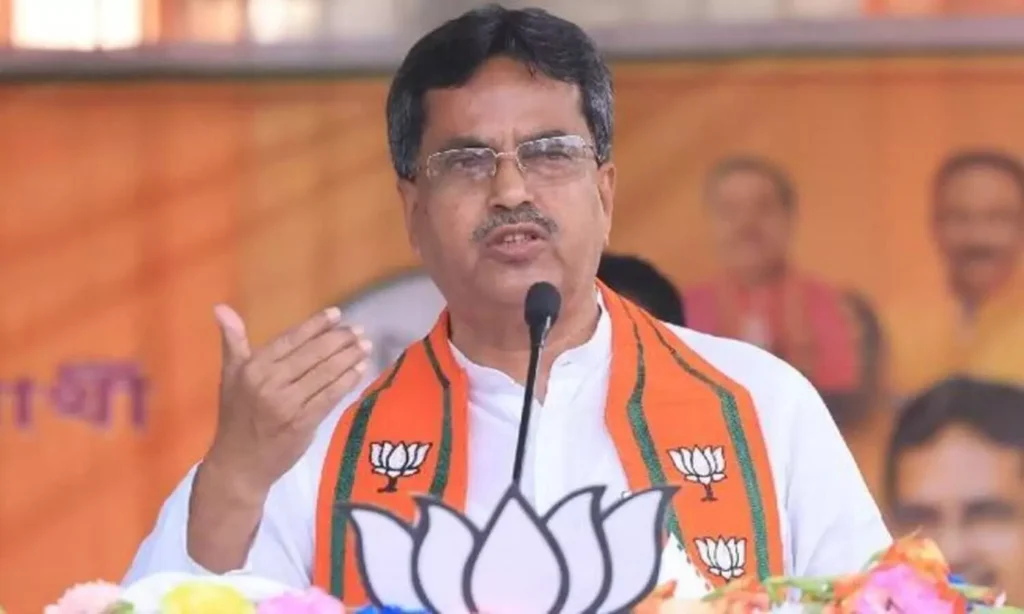
The Lok Sabha has rejected the Constitution (131st Amendment) Bill, 2026, which proposed 33% reservation for women in legislatures and expansion of seats to 816. Although 298 members supported the bill, it failed to secure the required two-thirds majority of 352 votes. Manik Saha termed the outcome a “Black Day” and criticized opposition parties for opposing women’s empowerment.
The bill aimed to implement reservation before the 2029 general elections. Its rejection marks a major setback to efforts for greater women’s representation.
Read More: Tripura Sees Violence After ADC Poll Results
Key Facts
- Bill: Constitution (131st Amendment) Bill, 2026
- Proposal: 33% reservation for women in Lok Sabha and state assemblies
- Voting Outcome: 298 in favour, 230 against
- Required Majority: 352 votes (two-thirds majority)
- Proposed Seat Increase: From 543 to 816 seats
- Target Timeline: Before 2029 general elections
- Key Reaction: Manik Saha called it a “Black Day”
Bill Fails to Secure Required Majority
The Lok Sabha rejected the Constitution (131st Amendment) Bill, 2026 after it failed to secure enough votes. While 298 members supported the proposal, 230 opposed it.
However, the bill required at least 352 votes to pass. Therefore, it fell short of the mandatory two-thirds majority needed for constitutional amendments.
Proposal Aimed at Women’s Representation
The bill sought to reserve 33% of seats for women in the Lok Sabha and state legislatures. It also proposed implementing the reform before the 2029 general elections.
Additionally, the amendment included a plan to expand the Lok Sabha’s strength from 543 to 816 seats. This expansion would have followed a delimitation exercise based on the 2011 Census.
Thus, the proposal combined representation reforms with structural changes.
Manik Saha Criticizes Opposition
Following the rejection, Manik Saha strongly criticized opposition parties. He described the outcome as a “Black Day” for Indian democracy.
Moreover, he accused several opposition parties of lacking commitment to women’s empowerment. He specifically named parties such as the Indian National Congress, Trinamool Congress, DMK, and Samajwadi Party.
Therefore, the political debate intensified after the voting.
Opposition Stand and Political Reactions
Opposition parties voted against the bill, leading to its defeat. However, they have not uniformly explained their reasons in the immediate aftermath.
Meanwhile, political observers believe that differences over implementation, delimitation, and seat expansion may have influenced voting patterns.
As a result, the issue remains politically sensitive.
Impact on Future Reforms
The rejection of the bill represents a setback for long-pending efforts to increase women’s participation in politics. The proposed reservation aimed to address gender imbalance in legislative bodies.
Furthermore, the outcome could influence voter sentiment, especially among women. Leaders like Manik Saha have suggested it may affect future political trends.
However, the government has not yet confirmed whether it will reintroduce the bill.
Q&A Section
What happened in the Lok Sabha?
The House rejected the Constitution (131st Amendment) Bill, 2026.
What did the bill propose?
It proposed 33% reservation for women and an increase in Lok Sabha seats.
Why did the bill fail?
It did not achieve the required two-thirds majority of 352 votes.
What was the voting result?
298 members supported it, while 230 opposed it.
What did Manik Saha say?
He called the rejection a “Black Day” and criticized opposition parties.
Location Context
New Delhi, the political center of India, hosts Parliament where major legislative decisions shape national governance. Therefore, developments in the Lok Sabha directly impact policy direction across the country.
Also Read: Jamir Urges Immediate Women’s Reservation Implementation