


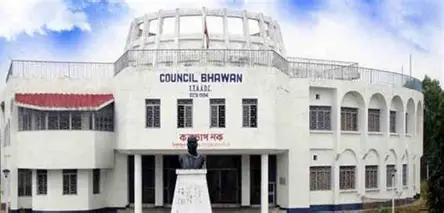
More than three months after winning a decisive mandate in the 2026 Tripura Tribal Areas Autonomous District Council (TTAADC) elections, Tipra Motha has yet to constitute a full Executive Council. Although the party secured 24 of the 28 elected seats, only two Executive Members have been appointed so far.
Party sources attribute the delay to internal consultations over portfolio allocation. Meanwhile, the incomplete Executive Council has drawn criticism from the opposition and political observers, who argue that the delay is affecting governance, development projects, and administrative efficiency in the autonomous district.
Read More: Tripura Appoints Guardian Ministers for Eight Districts
Key Facts
- State: Tripura
- Institution: Tripura Tribal Areas Autonomous District Council (TTAADC)
- Election Year: 2026
- Seats Won by Tipra Motha: 24 out of 28 elected seats
- Chief Executive Member (CEM): Runiel Debbarma
- Executive Member Appointed: C.K. Jamatia
- Vacant Executive Member Posts: 7
- Upcoming Event: Village Committee elections scheduled for September
- Current Status: Executive Council yet to be fully constituted
Executive Council Remains Incomplete After Three Months
Agartala: More than three months after securing a commanding victory in the 2026 TTAADC elections, Tipra Motha has not yet completed the formation of its Executive Council.
The party won 24 of the 28 elected seats, creating expectations of a quick transition to a fully functional administration. However, only Runiel Debbarma has taken charge as the Chief Executive Member (CEM), while retired bureaucrat C.K. Jamatia has been inducted as an Executive Member.
As a result, seven Executive Member positions remain vacant, raising questions about the pace of governance within the autonomous district.
Party Sources Cite Internal Consultations
According to party sources, the delay stems from multiple contenders for the remaining Executive Member positions.
Consequently, the party leadership has not yet reached a final consensus on portfolio allocation.
Sources also indicated that Tipra Motha founder Pradyot Kishore Debbarma is currently abroad and is expected to return on July 22.
Following his return, the party is likely to appoint the remaining Executive Members and complete the Executive Council.
However, the party has not officially announced a timeline for the appointments.
Opposition Questions Administrative Delay
Meanwhile, the prolonged delay has attracted criticism from opposition parties.
Critics argue that a constitutional institution should not remain without a complete Executive Council for an extended period.
Furthermore, they claim that concentrating administrative responsibilities on only two Executive Members may slow policy decisions, delay development projects, and affect the implementation of welfare programmes.
However, the government has not issued any official statement responding to these allegations.
TTAADC’s Role in Tribal Development
The Tripura Tribal Areas Autonomous District Council (TTAADC) plays a vital role in promoting the socio-economic development of indigenous tribal communities.
In addition, the Council is responsible for protecting tribal culture, strengthening local self-governance, and implementing development initiatives across the ADC areas.
Therefore, many political observers believe that the absence of a full Executive Council could affect administrative efficiency and delay important decisions.
Village Committee Elections Approach
Another major challenge lies ahead with the Supreme Court-directed elections to 587 Village Committees, which are scheduled for September.
Although preparations are expected to begin soon, questions remain about whether the elections can be conducted within the stipulated timeframe.
Moreover, the festive season coincides with the proposed election period, creating additional logistical challenges for the administration.
Recruitment Controversy Adds Pressure
Fresh controversy has also emerged over recruitment within the TTAADC administration.
Allegations have surfaced that appointment letters for nearly 220 posts were distributed without adequate transparency.
Critics have alleged favouritism and procedural irregularities in the recruitment process.
Additionally, reports suggest that some elected MDCs have expressed dissatisfaction, claiming unemployed youth from their constituencies were unable to secure jobs.
However, these allegations have not been officially established, and no inquiry findings have been released so far.
Nevertheless, the controversy has intensified demands for an independent investigation into the recruitment process.
Governance Debate Continues
Political analysts say that the 2026 election result created strong public expectations for transparent and efficient governance.
However, the continued delay in constituting the Executive Council, along with the recruitment controversy, has fuelled debate over the functioning of the autonomous district administration.
Overall, the coming weeks are expected to be crucial as Tipra Motha prepares to complete the Executive Council and move forward with key administrative and electoral responsibilities.
Frequently Asked Questions
What is the issue in the TTAADC?
Tipra Motha has not yet constituted a full Executive Council more than three months after winning the 2026 TTAADC elections.
How many seats did Tipra Motha win?
The party secured 24 of the 28 elected seats in the TTAADC elections.
Who has been appointed so far?
Runiel Debbarma has been sworn in as Chief Executive Member, while C.K. Jamatia has been appointed as an Executive Member.
Why has the Executive Council not been completed?
According to party sources, internal discussions over portfolio allocation have delayed the appointments.
What other issues are affecting the TTAADC?
The Council is also facing scrutiny over alleged recruitment irregularities and preparations for the upcoming Village Committee elections.
Location Context
The Tripura Tribal Areas Autonomous District Council (TTAADC) administers nearly two-thirds of Tripura’s geographical area and is responsible for local governance in the state’s tribal regions. As a result, its administrative functioning plays a crucial role in implementing development programmes, preserving indigenous culture, and strengthening grassroots democracy in Northeast India.